The world of business has never looked more exciting. Technology and the internet have handed ordinary people the tools to build extraordinary things.
Today, a teenager can launch a global brand from a smartphone. Meanwhile, a retired teacher can open a bakery that becomes the heartbeat of an entire neighborhood.
Both paths lead somewhere real. Both paths lead somewhere powerful.
But here is the truth. These two business models are built on completely different foundations. They demand different skills, different money, and different mindsets.
An online business runs through the internet. Owners sell products or services digitally through websites, apps, and social platforms, often without ever meeting a customer in person.
A traditional business operates from a fixed physical location. Customers walk in, look around, and buy face-to-face.
Both models have produced millionaires. Both have helped people escape poverty, build freedom, and leave legacies. However, neither is perfect for everyone.
This article puts both models head-to-head. By the time you finish reading, you will know exactly which path makes sense for your goals, your resources, and the life you want to live.
Understanding Online Business

What Exactly Is an Online Business?
An online business operates primarily through the internet. Owners use digital platforms to connect with customers, sell products, and deliver services without needing a physical storefront.
You do not need a warehouse, a showroom, or even a permanent address. All you truly need is a reliable internet connection and a willingness to learn.
Common Types of Online Businesses
Ecommerce stores top the list for most new entrepreneurs. Platforms like Shopify and WooCommerce make setting up an online shop faster than ever before.
Bloggers and content creators earn through advertising, sponsorships, and digital product sales. Affiliate marketers promote other people’s products and earn commissions on every successful sale.
Freelancers offer writing, graphic design, video editing, and coding to clients across the globe. Virtual assistants manage emails, schedules, and social media for busy business owners remotely.
Online coaches teach business, fitness, relationships, and personal development through video calls and digital courses. According to Research and Markets, the global e-learning market will surpass $1 trillion by 2032, which shows just how massive the demand for online knowledge has become.
Key Characteristics of Online Businesses
Online businesses run on internet-based operations and digital transactions. They allow remote accessibility, which means owners and their teams can work from virtually any location on earth.
Furthermore, automation tools handle emails, payments, and customer responses around the clock. This makes growing an online business significantly faster than building a physical one.
Understanding Traditional Business
What Exactly Is a Traditional Business?
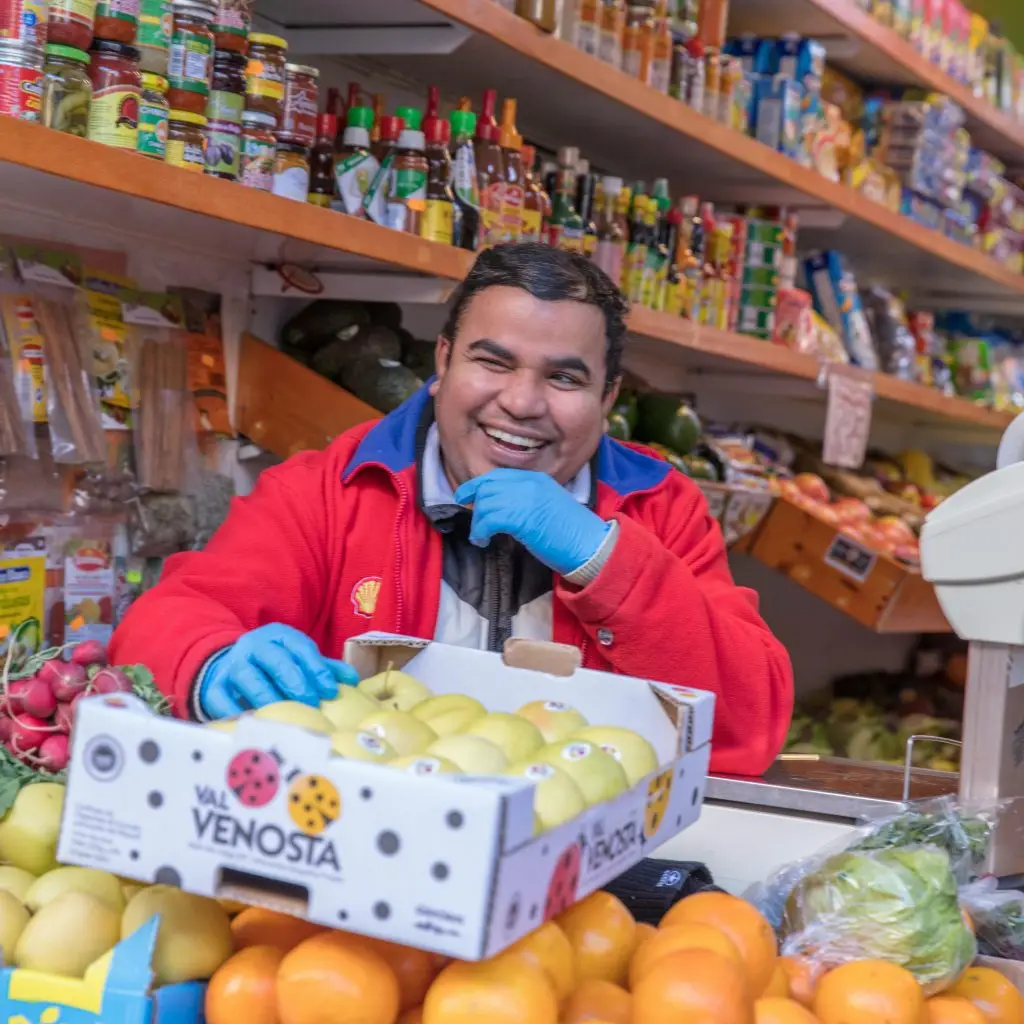
A traditional business operates from a specific physical location. Customers visit in person to buy products or access services directly from the owner or staff.
Think of the pharmacy down your street, the barbershop that has been in your neighborhood for twenty years, or the restaurant where everyone knows your name. These businesses depend on physical presence, personal connection, and community trust.
Common Types of Traditional Businesses
Retail stores, restaurants, and salons represent the most familiar and beloved traditional businesses. Manufacturing companies, supermarkets, and local service providers also fall firmly into this category.
Beauty studios build loyal followings through personal relationships and consistent service. Construction firms and healthcare providers operate physically because their work demands it directly.
Key Characteristics of Traditional Businesses
Traditional businesses maintain fixed operating hours and welcome daily face-to-face interactions. They depend heavily on local foot traffic and build deep community relationships over many years.
Additionally, physical product inspection gives customers genuine confidence before they commit to a purchase. Structured daily routines also make management more predictable for owners, staff, and loyal customers alike.
Startup Costs Comparison
Online Business Startup Costs
Starting an online business costs dramatically less than opening a physical store. Many entrepreneurs launch successfully with just a laptop, a domain name, and a basic hosting plan.
According to Shopify, you can launch a fully functional e-commerce store for as little as $29 per month. This incredibly low barrier makes online business the most accessible starting point for beginners worldwide.
Furthermore, online businesses eliminate rent, utility bills, and massive upfront inventory costs. Owners invest only in what they genuinely need and scale spending as revenue grows.
Traditional Business Startup Costs
Opening a physical business demands significantly more upfront capital from day one. Rent, equipment, furniture, permits, and staffing costs accumulate quickly before a single customer ever walks through the door.
The U.S. Small Business Administration reports that many small businesses spend between $10,000 and $80,000 in startup costs, depending on the industry. Larger brick-and-mortar operations can easily demand hundreds of thousands before opening day.
Utility bills, insurance, inventory management, and payroll all require consistent cash flow. Therefore, traditional businesses demand far stronger financial planning and reserves than online models typically need.
Which Model Is More Affordable?
Online businesses win the affordability battle for most beginners without question. Nevertheless, traditional businesses justify their higher costs through strong local demand, community trust, and consistent in-person revenue.
Flexibility and Convenience

Why Online Business Owners Love Their Flexibility
Online business owners enjoy the freedom to work from any location at virtually any time. A new mother can manage her store during nap time. A world traveler can serve international clients from a beach in Bali.
Moreover, easy-to-use management tools like Shopify, Trello, and Zapier simplify daily operations enormously. Consequently, one dedicated person can run an entire business operation without necessarily hiring a large team.
Flexible working hours also allow online entrepreneurs to optimize their schedules around personal energy levels. This makes work feel less like a burden and more like a purposeful daily mission.
Why Traditional Business Owners Love Their Structure
Traditional business provides a reliable structure that many entrepreneurs genuinely prefer and thrive within. Fixed working hours create a clear and healthy boundary between professional responsibilities and personal life.
Face-to-face customer interactions make problem-solving faster, warmer, and more human overall. Additionally, physical supervision works better in industries like food service, construction, and healthcare, where hands-on presence is absolutely non-negotiable.
Which Option Offers More Convenience?
Online business clearly wins on flexibility, especially for those who value location independence and personal freedom. Nevertheless, traditional business suits entrepreneurs who enjoy routine, community presence, and the satisfying energy of managing a physical operation.
Customer Reach and Market Size

How Far Can an Online Business Reach?
Online businesses reach customers anywhere on the entire planet. Social media platforms, search engines, and targeted digital ads make it possible to grow a global audience within months, not decades.
Statista reports that over 5.4 billion people now actively use the internet worldwide. This enormous and still-growing audience gives online businesses an almost limitless pool of potential customers to serve and delight.
How Far Can a Traditional Business Reach?
Traditional businesses depend heavily on local foot traffic, physical visibility, and community word of mouth. A great location brings consistent customers, but geographic growth stays mostly regional without significant additional investment.
Community-based relationships, however, build a depth of loyalty that online businesses often spend years trying to replicate digitally. Many consumers genuinely prefer shopping locally because it feels personal, trustworthy, and deeply human.
Which Has Greater Expansion Potential?
Online businesses scale faster because geography simply does not limit them the way it limits physical stores. Conversely, traditional businesses expand by opening new locations, which demands substantial time, capital, and operational planning at every step.
Customer Trust and Relationship Building

Why Traditional Businesses Win on Trust
Customers naturally trust what they can see, touch, and experience with their own hands. A physical store lets buyers inspect products before purchasing, which removes doubt and dramatically increases buyer confidence.
Face-to-face conversations build genuine, lasting relationships between business owners and their communities. Over time, these personal connections transform first-time visitors into deeply loyal lifetime customers and passionate advocates.
The Real Challenges of Building Trust Online
Building trust online takes deliberate, consistent effort over a meaningful period of time. Scammers and fraudulent websites have unfortunately made many consumers cautious about spending money with unfamiliar online brands.
New online businesses often struggle to appear credible alongside established competitors with large followings and verified reviews. Therefore, trust becomes the most critical foundation that every online entrepreneur must actively and strategically build from day one.
How Smart Online Businesses Build Real Trust
Positive customer reviews and authentic testimonials help new visitors feel confident enough to make their first purchase. Secure payment systems, transparent return policies, and responsive customer support all reinforce a brand’s credibility powerfully.
According to BrightLocal, 98% of consumers read online reviews before making a purchase decision. This remarkable statistic shows that social proof holds extraordinary power in the modern digital marketplace.
Risks and Challenges

Risks That Online Business Owners Face
Online businesses face constant threats from cybersecurity breaches, platform algorithm changes, and relentless digital competition. A single social media update or Google algorithm shift can wipe out an entire traffic source almost overnight.
Internet dependency also creates real vulnerability during technical outages, server failures, or payment platform disruptions. Moreover, the low startup cost attracts millions of new competitors daily, making it progressively harder to stand out in saturated markets.
Risks That Traditional Business Owners Face
High operational costs pressure traditional business owners every single month without exception. Rent increases, economic downturns, neighborhood decline, and poor location choices can push even excellent businesses toward permanent closure.
The COVID-19 pandemic exposed just how fragile physical businesses can be without digital backup. According to Forbes, over 20% of small businesses fail within their very first year, with high costs being a leading contributing factor.
Which Model Carries Greater Risk?
Both models carry significant risks, but in completely different forms and from completely different directions. Online businesses battle digital threats and market saturation while traditional businesses constantly wrestle with financial pressure and environmental unpredictability.
Profit Potential and Scalability

How Online Businesses Generate and Scale Profit
Online businesses scale at a speed that traditional businesses genuinely cannot match. A single digital product can sell thousands of copies simultaneously without requiring additional production, packaging, or shipping effort.
Passive income streams through affiliate marketing, online courses, and digital downloads generate revenue consistently around the clock. McKinsey and Company reports that businesses using digital channels grow revenue two to five times faster than those relying on traditional methods alone.
How Traditional Businesses Generate and Sustain Profit
Traditional businesses build powerful brand loyalty within their local communities over time. A well-established neighborhood restaurant or boutique can enjoy consistent, deeply predictable income for multiple decades without major disruption.
The physical customer experience also drives higher average spending in many industries. Customers tend to buy significantly more when they can touch, taste, sample, or try products with their own hands before committing to a purchase.
Which Business Type Grows Faster?
Online businesses scale more rapidly and with far lower incremental costs as they grow. However, traditional businesses offer the kind of community-rooted stability and trust that digital brands often spend many years and millions of dollars trying to authentically replicate.
Which Is Better? Factors to Consider

Your Personal Goals and Lifestyle Matter Most
Your lifestyle preferences should drive this decision more than anything else. Someone who loves travel and freedom will naturally thrive in an online business environment.
Conversely, a community-driven person who draws energy from people and local connections will feel most alive running a physical business. Consider your ideal workday honestly and build a model that supports that vision rather than fighting against it.
Your Skills and Experience Shape Your Starting Point
Technical skills like web design, SEO, email marketing, and digital advertising give online business owners a powerful head start. Physical management skills, people leadership, customer service, and industry-specific expertise benefit traditional business owners far more directly.
Fortunately, you can develop any skill you currently lack with the right resources and dedication. The key is identifying which learning curve aligns naturally with your existing strengths and your long-term ambitions.
Your Budget and Available Resources
Your financial position will significantly influence the smartest place for you to start. Online businesses need far less money upfront, making them the ideal launchpad for bootstrapped and budget-conscious entrepreneurs.
Traditional businesses require stronger capital reserves, detailed financial forecasting, and disciplined expense management from day one. Nevertheless, grants, small business loans, and investor partnerships remain accessible for those who prepare thoroughly and present compelling plans.
Your Industry Type Matters More Than You Think
Some industries suit the online environment brilliantly and almost naturally. Digital products, coaching programs, freelancing services, and ecommerce stores thrive without any physical location whatsoever.
Other industries, like restaurants, healthcare clinics, salons, and construction companies, demand a physical presence because their core service cannot be delivered any other way. Matching your business type to the right model from the very beginning saves enormous amounts of time, money, and emotional energy.
The Verdict: Your Business, Your Rules

The debate between online and traditional business has no perfect universal answer. Both models have produced millionaires, transformed communities, and changed lives in genuinely powerful ways.
Online business offers freedom, flexibility, and a global audience at a fraction of the cost. Traditional business provides stability, deep community trust, and the kind of personal customer experience that digital platforms still struggle to replicate authentically.
Ultimately, the better choice depends entirely on your goals, your resources, your personality, and the life you genuinely want to build for yourself. There is no one-size-fits-all shortcut or magic formula that works identically for every person on earth.
Interestingly, many of the most successful entrepreneurs today have stopped choosing sides altogether. Instead, they combine both approaches into powerful hybrid business models that capture the best of each world.
A restaurant owner takes orders online and serves customers warmly in person. A freelancer offers digital design services while hosting in-person creative workshops for local clients. A fitness coach trains clients face-to-face locally while simultaneously selling online programs to customers in thirty different countries.
The smartest move is not picking a side for the sake of it. The smartest move is understanding your unique strengths, your available resources, and the specific value you bring to the people you want to serve.
Business is evolving at a breathtaking pace, and those who stay adaptable will always come out ahead. Whether you start with a domain name or a storefront, start with clarity, start with a concrete plan, and most importantly, just start.
Your timing is not wrong, your resources are not too small, and your idea is not too late. The only business that never succeeds is the one you never actually launch.
Recommended Reading: Mental Health Values Every Brand Must Embrace Right Now
Sources referenced in this article: