Think about the best leader you have ever encountered. Maybe it was a teacher who believed in you before you believed in yourself, or a manager who stayed calm when everything around them fell apart. Or maybe it was someone like Nelson Mandela, who walked out of 27 years in prison and chose forgiveness over revenge. That person did not just do their job. They changed something inside you. That is the gap between a good leader and a great one. Good leaders keep things running. Great leaders make people run further than they ever thought possible.
So what exactly creates that gap? Get ready to rethink leadership as we break it down.
Good Leaders Manage. Great Leaders Transform.
Here is the truth: the world has plenty of good leaders. They hit targets, hold meetings, and keep teams organized. And that matters. But great leaders do something entirely different. They transform people.
A good leader tells you what to do. A great leader makes you want to do it and then some. Great leaders create cultures where people bring their best ideas to work, not just their bodies. They build environments where innovation, collaboration, and progress grow naturally, like plants in rich soil.
The Association for Talent Development puts it simply: great leaders “motivate and inspire” rather than just direct. That shift from direction to inspiration is where the real magic lives.
The Vision Factor

Every leader has goals. Great leaders carry something bigger: a vision.
Goals tell you where you are going tomorrow. Vision tells you who you are becoming. Great leaders hold a picture of the future so clearly in their minds that other people start to see it too. They do not just plan for next quarter. They think five, ten, and twenty years ahead.
Nelson Mandela spent 27 years in prison on Robben Island. Most people would have come out broken and bitter. But Mandela came out with a vision so powerful that it reshaped an entire nation. He was not just thinking about his own freedom. He was thinking about the freedom of generations yet unborn. That is what visionary leadership looks like in real life.
Great leaders also communicate their vision in ways that stick. They do not drown people in jargon or complicated strategy documents; they tell stories, paint pictures with words, make the future feel real, exciting, and worth fighting for.
Emotional Intelligence Changes Everything
Here is a trait that separates average leaders from truly exceptional ones: emotional intelligence, and it is more powerful than most people realise.
Psychologist Daniel Goleman brought this concept to global attention, and his research showed that emotional intelligence (often called EQ) matters more than IQ for effective leadership. He broke EQ into five key parts: self-awareness, self-regulation, motivation, empathy, and social skills. Great leaders score high on all five.
Self-aware leaders understand how their moods affect the people around them. They walk into a room and think about the energy they bring. Self-regulated leaders do not explode when things go wrong. They pause, breathe, and respond with clarity instead of panic. Empathetic leaders read the room. They notice when someone on the team is struggling even before that person says a word.
Research published in the European American Journal found that emotional intelligence positively relates to leadership effectiveness and that leaders with higher EQ consistently produce better team outcomes. The best leaders in the world, from business to politics, carry this quality at their core.
Goleman himself once said, “EQ defines our capacity for relationship.” And relationships, at the end of the day, are what leadership is truly built on.
They Lead With Humility, Not Pride
Great leadership and big egos do not mix. Full stop.
Good leaders take credit for wins. Great leaders share it. Good leaders hide their mistakes. Great leaders own them publicly and model what accountability looks like. Forbes reported in 2024 that humility ranks among the top personality traits of successful leaders. It is not a weakness. Humility is a superpower.
Contemplate how Mandela handled his release from prison. He did not come out demanding glory or revenge; he came out saying South Africa needed healing, not division. He studied the Afrikaner language to better understand and connect with his former oppressors. That is humility at an extraordinary level.
Humble leaders create psychologically safe environments. They make it permissible for team members to speak up, ask questions, and admit failures without fear. Forbes observed a direct correlation between great leadership and psychological safety within teams. When people feel safe to speak honestly, creativity soars, and problems get solved faster.
Great leaders also ask for help. They do not pretend to know everything. They surround themselves with people who are smarter than them in specific areas, and they celebrate that.
Communication That Moves People
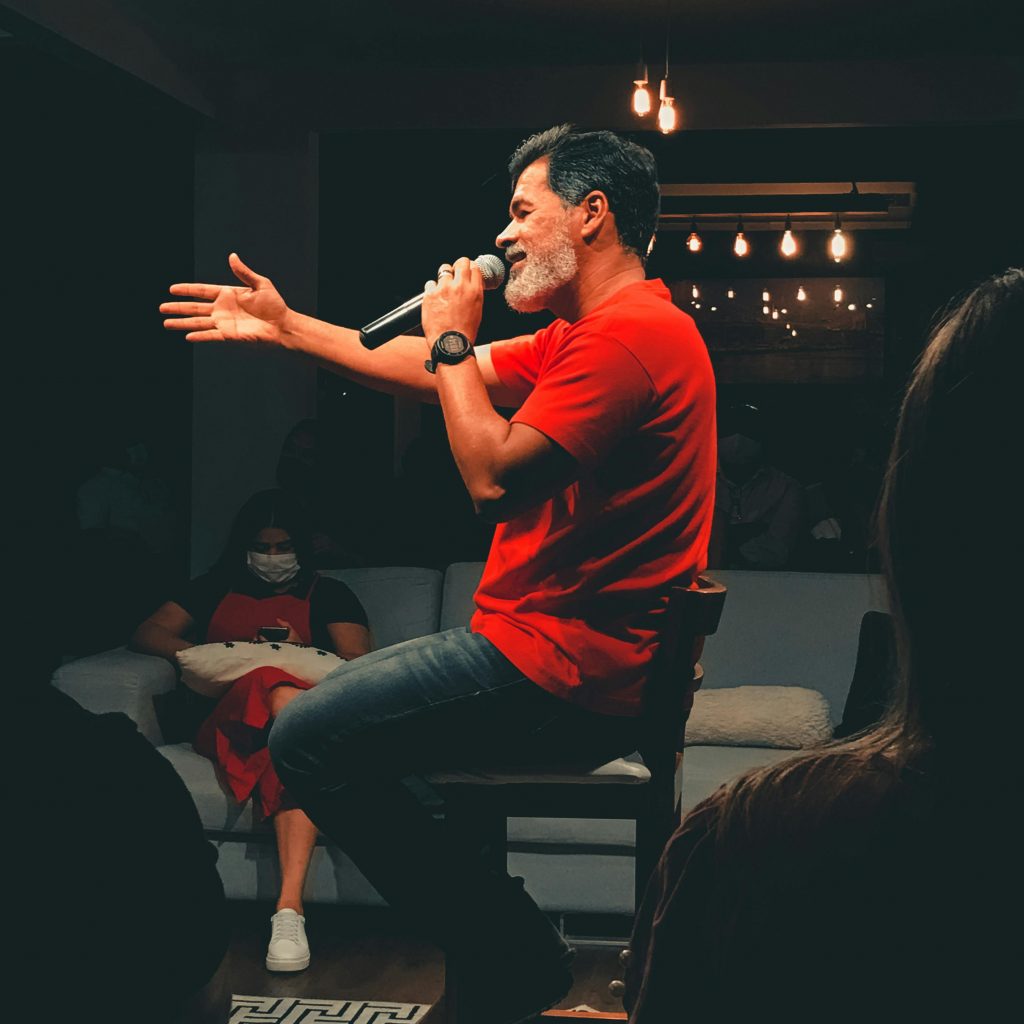
Everyone can talk. Great leaders communicate. There is a huge difference.
Good leaders communicate to inform. They send the email, provide the update, and run the briefing. Great leaders communicate to inspire, connect, and drive real change. They take complex ideas and make them simple, take dry strategies and make them exciting, and make every person in the room feel like what they are doing matters.
Peter Drucker, one of the most respected voices in management history, said: “The most important thing in communication is to hear what isn’t being said.” Great leaders listen more than they speak. They pay attention to body language. They notice when someone nods, but their eyes say something different.
Great leaders also tailor their communication. They know when to be direct, when to be gentle, when to challenge, and when to encourage. That kind of communication builds deep trust. Trust fosters teams that achieve remarkable feats together.
They Build More Leaders, Not More Followers
Here is one of the most underrated qualities of truly great leaders: they pour into other people.
Good leaders keep their teams running smoothly. Great leaders invest in the growth of every individual on that team. They mentor, coach, challenge people to stretch beyond their comfort zones, celebrate wins, and use failures as teaching moments instead of punishment tools.
Ralph Nader captured this beautifully: “I start with the premise that the function of leadership is to produce more leaders, not more followers.” That one line says everything.
Great leaders examine each individual in their vicinity and inquire, “What does this individual require to reach their fullest potential?” They do not hoard power; they redistribute it. Their team members do not intimidate them. They take pride in it.
Forbes highlights that great leaders develop “focused, forward-thinking visions” and also have the ability to spot and nurture potential in others. This is precisely why great leaders leave behind legacies that outlast their own time in the room.
Integrity Is Non-Negotiable
Great leaders do not cut corners when no one is watching.
Integrity means your actions match your words, even when it costs you something. Even when no one will find out, or when doing the right thing is the harder thing. Great leaders understand that their team watches everything they do. Employees do not just listen to what leaders say. They study what leaders do.
Peter Drucker also said, “Management is doing things right. Leadership is doing the right things.” That distinction is critical. Doing things efficiently is valuable. Doing the right things with honesty and courage is what makes a leader truly great.
In moments of crisis, it is integrity that separates leaders who rise from leaders who crumble. Great leaders make ethical choices not because policies require them to, but because their character demands it. They protect their people, speak the truth, and hold the standard high even when the pressure to lower it feels overwhelming.
Adaptability Is Their Secret Weapon
The world does not stand still. Great leaders do not either.
Good leaders follow a plan. Great leaders know when to change the plan. They read shifting circumstances quickly and pivot without panic and adjust strategies while keeping their team calm and confident. That kind of adaptability builds resilience in the entire organization.
EWF International reported that adaptive leadership is one of the most critical traits organizations need to develop today. The world is moving faster than ever. Markets shift overnight. Technologies disrupt entire industries in months. Leaders who cling to old ways of doing things get left behind. Leaders who embrace change and lead others through it become legends.
Mandela’s entire story is a masterclass in adaptability. He adapted his strategies across decades of struggle, adapted his vision of leadership from activism to governance, and proved that true strength is not stubbornness. True strength is the courage to grow, pivot, and evolve without losing sight of your core values.
Resilience: They Fall and Rise Every Time
Every leader faces failure. Great ones treat failure as a classroom.
Resilience does not mean never struggling. It means refusing to stay down when life knocks you over. Great leaders face setbacks and keep going. They manage their own energy and the energy of their teams through hard seasons, model hope, persistence, and the belief that a breakthrough is always on the other side of breakdown.
The Predictive Index notes that resilient leaders maintain “unwavering faith in their team’s mission” even through the toughest challenges. That kind of steady, grounded energy is contagious. When a leader stays calm under pressure, their team stays focused under pressure. And focused teams solve problems that panicked ones never could.
Forbes reported in 2024 that resilience ranks as one of the top five personality traits of truly successful leaders. It shows up in every great leadership story: Steve Jobs getting fired from Apple and coming back to build the greatest tech company in history. Mandela endured 27 years of imprisonment and emerged with his spirit intact. These stories do not just inspire. They teach.
They Create Psychological Safety
One of the most powerful things a great leader does is almost invisible: they make people feel safe.
Psychologists from Forbes confirm that psychological safety is one of the three traits that separate great leaders from the rest. When team members feel safe to speak up, share half-formed ideas, ask inconsiderate questions, and admit mistakes without fear of humiliation, they perform at entirely different levels.
Google ran a famous internal study called Project Aristotle that found psychological safety as the number one factor in high-performing teams. Great leaders create this safety by listening without judgment, thanking people for honesty, and responding to bad news without shooting the messenger.
When people trust their leader, they bring their whole selves to work. They share the idea that might sound wild: flag the problem before it becomes a crisis, and go the extra mile not because they have to, but because they genuinely want to. That is the power of psychological safety, and it flows directly from great leadership.
Growth Mindset: Never Stop Learning
Great leaders carry one belief above all others: they can always get better.
They read, ask questions, seek mentorship, even when they are already at the top. They stay humble enough to know they do not have all the answers, treat every challenge, every failure, and every unexpected turn as a lesson waiting to be learned.
The concept of the growth mindset, made famous by psychologist Carol Dweck, speaks directly to this. Great leaders do not believe talents and abilities are fixed. They believe effort, learning, and persistence can unlock extraordinary results. They carry this belief personally, and they plant it in every person they lead.
Great leaders invest in the growth of their teams with the same energy they invest in their own growth. They fund training, encourage reading, celebrate questions, and create time and space for people to learn without fear of looking uninformed. This culture of continuous learning produces teams that stay ahead, adapt quickly, and bring creative solutions to every table.
The Final Word on Greatness
Good leaders are valuable. Truly great leaders are rare.
The gap between the two is not talent. It is not luck, not even intelligence. It is a collection of daily choices: the choice to listen rather than just speak, to share credit rather than hoard it, to lead with empathy rather than ego, to keep growing rather than stay comfortable.
Great leadership starts from the inside out. It starts with knowing who you are, living your values with consistency, and genuinely caring about the people you lead. As you build your own leadership story, every single interaction is a chance to be good or to be great. To manage the moment or to transform it.
You already know which one you want to be. Now go be it.
Recommended Reading: Why Leaders Who Never Stop Learning Always Win