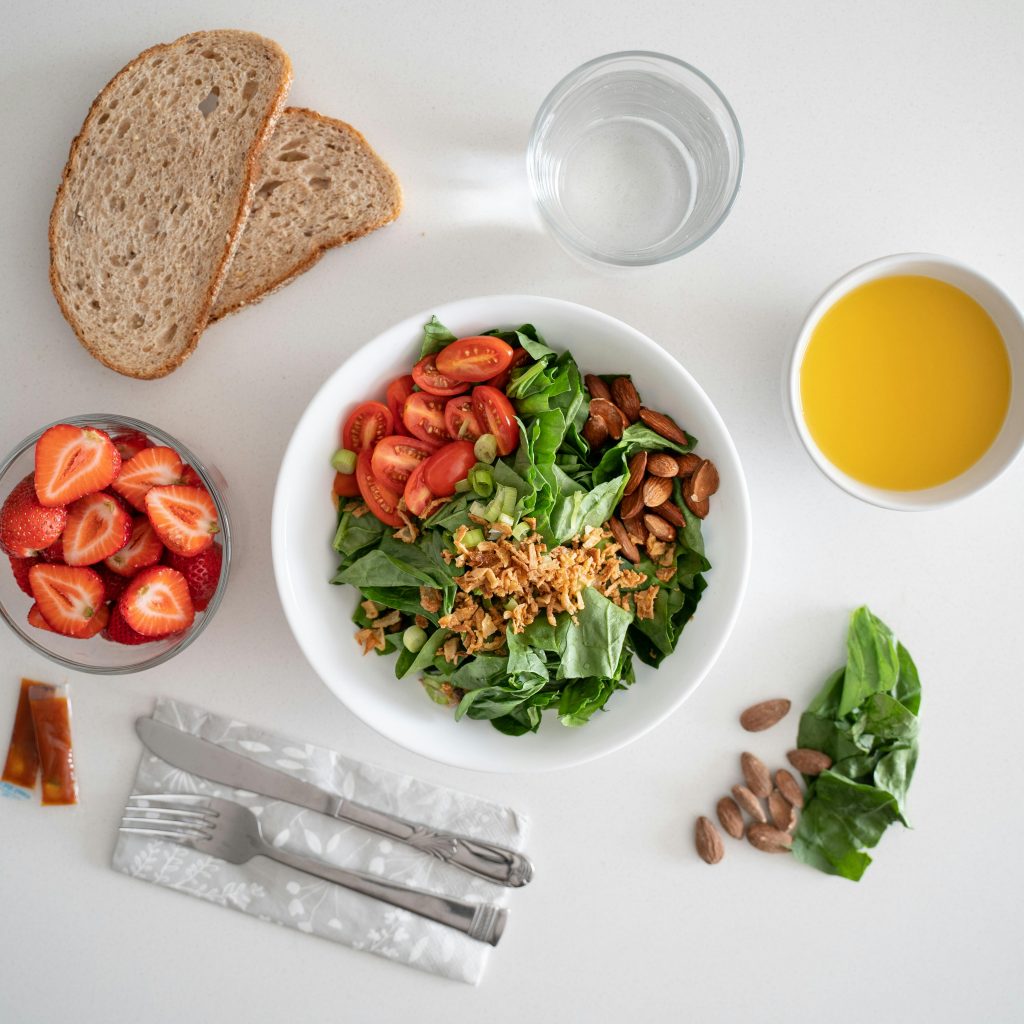
Life moves fast. Between deadlines, family duties, school runs, side hustles, and late-night responsibilities, food often becomes the easiest thing to ignore. Yet the truth remains simple. Healthy eating fuels everything else you want to do. It powers your brain, supports your mood, and keeps your body strong enough to handle a packed schedule.
Healthy eating means giving your body balanced meals filled with protein, healthy fats, complex carbohydrates, fiber, vitamins, and minerals. It is not about strict diets or perfect plates. It is about making smart choices that match your real life.
For busy people, eating well feels hard. Work pressure pushes you toward quick takeout. Family responsibilities steal cooking time. Convenience foods sit on every corner, promising speed but delivering sugar, sodium, and empty calories. Skipping meals starts to feel normal, and energy crashes follow.
Still, your body keeps score. Poor eating habits drain focus, weaken immunity, and slow down everything you want to achieve. Good nutrition does the opposite. It lifts your energy, sharpens your thinking, and helps you show up fully for the people and goals you love.
This guide walks you through ten practical strategies that turn healthy eating into a doable, even enjoyable, part of a hectic week. From meal planning and batch cooking to mindful eating, smart snacking, hydration, and sustainable habits, every tip fits a real, busy life. Let your journey to better eating begin right here, one small win at a time.
Understanding Why Healthy Eating Matters
Healthy eating is balance, not restriction. A nourishing plate brings together lean proteins, whole grains, colorful fruits and vegetables, healthy fats, and enough water to keep your body running smoothly. Each nutrient plays a role. Protein rebuilds tissue and keeps you full.
Carbohydrates fuel your brain and muscles. Healthy fats protect your heart and support hormone balance. Vitamins and minerals quietly power thousands of daily body functions. The Centers for Disease Control and Prevention recommends prioritizing protein at every meal, eating a variety of fruits and vegetables, and choosing fiber-rich whole grains over highly processed options.
Eating well rewards you in visible and invisible ways. Energy levels rise. Concentration sharpens. Immunity strengthens. Weight becomes easier to manage. In the long term, a balanced diet lowers your risk of heart disease, type 2 diabetes, and certain cancers, according to research published by the American Journal of Lifestyle Medicine. Imagine waking up clear-headed, working through the day with steady focus, and ending the evening with energy left over for the people you love. That gift starts on your plate.
Skipping meals, relying on processed snacks, or living off sugar invites fatigue, weight gain, mood swings, and weakened immunity. Productivity slips. Workouts feel harder. Sleep suffers. Over time, the body sends louder warnings through chronic conditions that demand attention. Choosing better food is one of the kindest, most powerful gifts you can give your future self.
Plan Your Meals in Advance
Meal planning removes the daily question of what to eat. When dinner is already decided, you skip the panic order, the gas station snack, and the late-night cereal bowl. According to the Harvard T.H. Chan School of Public Health, planning meals helps families stay on a healthier track even during hectic weekday schedules.
Map out breakfast, lunch, dinner, and snacks for the week. Keep it realistic. Pick three or four reliable dinners, two breakfast options, and a couple of lunches you genuinely enjoy. Aim for balance on every plate. A lean protein, a complex carb, a serving of vegetables, and a healthy fat make a winning combination almost every time.
A grocery list is your shield against impulse buys. Walk through your planned meals, list the exact ingredients needed, and group them by store section. Organized shopping saves money, cuts down food waste, and protects your time. Never shop hungry. Hunger turns every cookie aisle into a danger zone.
Try to shop once or twice a week. Build your cart around nutritious staples like eggs, oats, beans, brown rice, frozen vegetables, fresh fruit, leafy greens, Greek yogurt, lean meats, nuts, and olive oil. These foundation foods stretch into endless meals and keep your kitchen always ready.
Embrace the Power of Meal Preparation
Meal prepping means doing some of the cooking work in advance so weekday meals come together fast. It might mean chopping vegetables on Sunday, cooking a big pot of grains, marinating proteins, or assembling full lunches in containers. The Ohio State Wexner Medical Center notes that meal prepping helps people eat healthier while saving both time and money.
Prepping saves hours during the week. It reduces stress at dinnertime. It guards against the temptation to grab fast food when you walk in tired. Best of all, it keeps healthy choices within arm’s reach exactly when willpower runs low.
Cook in big batches. Roast a tray of vegetables, grill several chicken breasts, simmer a pot of beans, and boil a batch of brown rice. Mix and match these building blocks throughout the week into bowls, wraps, salads, and stir-fries. Batch cooking lets you create five different meals from the same prep session.
Use clear glass or BPA-free plastic containers. Label everything with the date. Refrigerate cooked meals for up to four days and freeze the rest. Proper storage keeps food fresh, safe, and ready to grab. A well-organized fridge is a quiet act of self-care.
Prioritize a Healthy Breakfast
Breakfast truly breaks an overnight fast. After eight to twelve hours without food, your body needs fuel to restore glycogen and power your brain. According to Better Health Victoria, breakfast improves energy, concentration, and long-term health, including reduced risk of type 2 diabetes and heart disease.
Busy mornings still allow real food. Try overnight oats topped with berries and chia seeds. Whip up a smoothie with banana, spinach, Greek yogurt, and peanut butter. Spread avocado on whole-grain toast and add a boiled egg. Layer Greek yogurt with granola and fruit. Each of these takes under five minutes and delivers protein, fiber, and steady energy.
Sugary pastries, donuts, and sweetened cereals cause quick energy spikes followed by hard crashes. Skipping breakfast altogether often backfires with overeating later in the day. Choose foods that love you back, meals that include protein, fiber, and healthy fats to keep you full and focused until lunch.
Keep Healthy Snacks Within Easy Reach
Snacks bridge the gap between meals, prevent extreme hunger, and stop you from overeating at dinner. Smart snacking keeps blood sugar steady and energy stable for long afternoons. The American Diabetes Association reminds us that a good snack helps prevent overeating later in the day.
Stock your bag, desk, and pantry with options that nourish. Fresh fruit, raw nuts, seeds, Greek yogurt, hummus with vegetable sticks, hard-boiled eggs, cheese cubes with whole grain crackers, and homemade trail mix all hit the sweet spot of tasty and nutritious.
Portion nuts into small bags. Wash and chop carrots, cucumbers, and peppers on Sunday. Boil a batch of eggs. Stack fruit on the counter where you can see it. Prepared snacks beat vending machine choices every single time.
Chips, candy bars, sugary cookies, pastries, and sweetened sodas spike energy and crash it just as fast. Treat them as occasional joys rather than daily habits. Your body and mind will thank you with sharper focus and steadier moods.
Make Healthier Choices When Eating Out
Restaurant portions often double or triple what the body actually needs. Hidden butter, oils, sodium, and sugar sneak into seemingly simple dishes. Eating out can feel like a healthy eating minefield, but smart choices turn any menu into an opportunity.
Look for words like “grilled,” “baked,” “steamed,” “roasted,” or “poached.” Skip dishes described as fried, crispy, breaded, smothered, or creamy. Ask for sauces and dressings on the side. Most restaurants happily accommodate small swaps when you ask kindly.
Aim for a lean protein, a generous serving of vegetables, and a small portion of whole grains or legumes. Add a side salad to bulk up nutrients. Choose water, sparkling water, or unsweetened tea instead of sugary drinks.
Share a meal with a friend. Ask for a half portion. Box up half before you start eating, so leftovers become tomorrow’s lunch. Slowing down also helps. Your brain needs about twenty minutes to register fullness, so give it that time.
Stay Hydrated Throughout the Day
Hydration supports digestion, circulation, temperature control, joint health, and brain performance. The Mayo Clinic suggests that healthy adults need roughly 11.5 to 15.5 cups of total fluid each day, including water from food and beverages.
Headaches, fatigue, dry mouth, dark yellow urine, dizziness, and poor concentration often signal that you need more water. Even mild dehydration, as little as two percent fluid loss, can hurt memory, mood, and reaction time, according to the National Council on Aging.
Carry a reusable water bottle wherever you go. Set hourly reminders on your phone. Drink a full glass of water with every meal. Infuse plain water with lemon, mint, cucumber, or berries for variety. Eat water-rich foods like watermelon, cucumber, oranges, and tomatoes.
Sugary sodas, energy drinks, sweetened coffees, and excessive caffeinated beverages can dehydrate and drain your energy. So, enjoy them occasionally, but let water remain your daily best friend.
Practice Mindful Eating
Mindful eating means paying full attention to your food and your body. You notice hunger before sitting down, savor each bite, and stop when satisfied rather than stuffed. The Harvard T.H. Chan School of Public Health describes mindful eating as honoring food, engaging the senses, and recognizing fullness around 80 percent.
Eating in front of screens dulls awareness, and people who scroll, watch television, or work while eating often consume more without realizing it. Sit at a table. Put the phone face down. Let the meal be the main event for ten quiet minutes.
Chew each bite slowly. Put the fork down between bites. Notice flavors, textures, and aromas. Slower eating improves digestion, deepens satisfaction, and helps your brain catch up with your stomach.
Stress, boredom, sadness, and exhaustion often disguise themselves as hunger. Pause and ask, “Am I truly hungry, or am I feeling something? So try a walk, a deep breath, a phone call, or a glass of water before reaching for food. Healthier coping tools build emotional resilience along with better eating habits.
Use Time-Saving Healthy Eating Strategies
Choose recipes with five to seven ingredients and quick preparation methods. One-pan dinners, sheet pan meals, stir fries, and grain bowls deliver nutrition without complicated steps. Simple recipes win every busy week.
Frozen vegetables, pre-washed salad greens, canned beans, rotisserie chicken, microwavable brown rice, and frozen fruit save time without sacrificing nutrition. The Ohio State Wexner Medical Center confirms that frozen produce is usually just as nutritious as fresh.
Slow cookers turn morning prep into evening dinners. Air fryers crisp up vegetables and proteins in minutes. Pressure cookers cook beans, grains, and stews in a fraction of the usual time. Blenders handle smoothies and soups with ease. Invest in one or two tools that match your lifestyle and let them lighten your load.
Keep nutritious foods visible. Place a fruit bowl on the counter. Store cut vegetables at eye level in the fridge. Hide chips and cookies in hard-to-reach cabinets, because the environment shapes choices more powerfully than willpower ever could.
Maintain Consistency and Build Long-Term Habits
Forget the all-or-nothing mindset. One unhealthy meal does not ruin a week, and one healthy meal does not fix one either. Real change comes from steady, repeated choices that add up over months and years. Celebrate progress, no matter how small.
Pick one habit to focus on this week. Maybe it is drinking an extra glass of water at lunch. Maybe it is adding one vegetable to dinner, because tiny wins build momentum and confidence, and momentum carries you further than any crash diet ever could.
Use a notebook, a journal, or a food tracking app like MyFitnessPal or Cronometer to notice patterns. Tracking is not about judgment. It is about awareness. So, when you see what you are actually eating, smarter choices become easier and more intentional.
Sustainable habits fit your real life. Pick prep times that match your schedule. Choose foods you genuinely enjoy. Build flexibility into your week because a routine that bends with life lasts much longer than one that breaks under pressure.
Your Healthier Tomorrow Starts Today
Busy days never disappear. Deadlines stretch, responsibilities pile up, and unexpected events crash into the calendar. Yet through every season, your body keeps showing up for you. Feeding it well is one of the simplest, most loving ways to show up for yourself in return.
Healthy eating when busy is not about perfection. It is about planning, prepping smart, eating real food, drinking enough water, and tuning into your body’s signals. Every strategy in this guide, from weekly meal planning and batch cooking to nourishing breakfasts, smart snacking, mindful eating, hydration, healthier restaurant choices, and time-saving kitchen tools, fits naturally into a hectic life when you let it.
Remember the heart of it all. Small, consistent actions create powerful, long-term results. One prepped lunch leads to another, one water bottle refill becomes a daily habit, and one mindful dinner turns into a calmer, more grateful relationship with food. The wins stack quietly, and one day you look back and realize you built a whole new way of eating without ever feeling deprived.
You do not need a perfect kitchen, a personal chef, or hours of free time. What you need is a few simple choices repeated with patience and self-compassion. So, choose one tip from this guide and start there, and then add another next week. Your future self, full of energy, focus, and joy, will thank you for every single bite.
Eat well, live fully, and let healthy eating become the quiet power that carries you through your busiest, brightest days.
Recommended Reading: Signs Your Gut Health Is Poor (And How to Fix It)