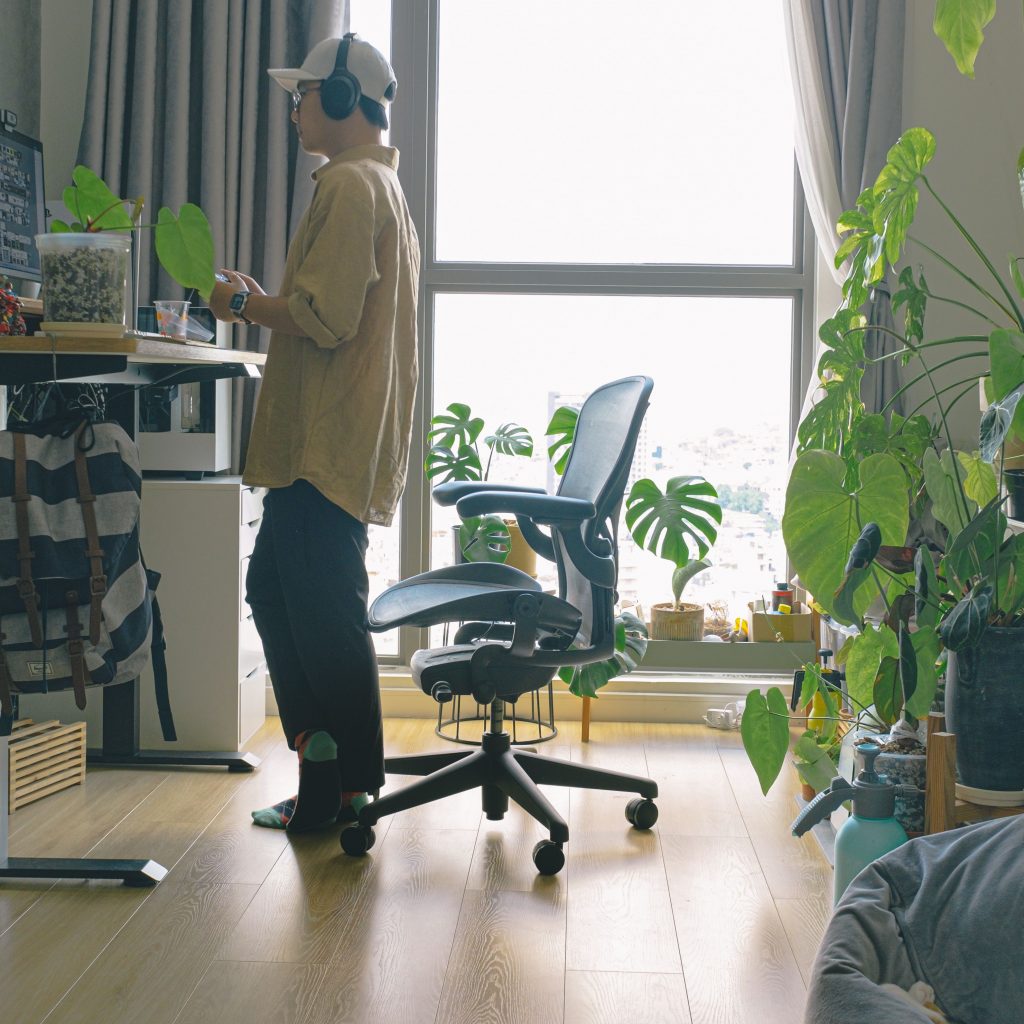
Remote work has completely changed the way millions of people live and earn a living. What started as a temporary shift for many has become a permanent lifestyle. People now run businesses, lead teams, attend meetings, and build careers all from the comfort of their own homes. That is genuinely exciting.
But here is the truth that most people do not talk about enough. Working from home comes with some sneaky health traps. You stop walking to the office; you skip lunch because a deadline crept up on you; you sit in the same chair for six hours without moving, and you feel lonely even though you are technically surrounded by people online. These things pile up fast.
The good news is that staying healthy while working from home is completely achievable. You do not need a fancy gym membership or a perfect morning routine. You just need the right habits, a little intention, and a plan you can actually stick to. This guide covers everything, from your workspace setup to your sleep, your meals, your movement, your mental health, and so much more. Let us get into it.
Create a Dedicated and Ergonomic Workspace
Why Your Workspace Affects Your Health
Your environment shapes how you feel and how well you work, far more than most people realize. A cluttered, uncomfortable, or poorly lit workspace does not just slow your productivity. It quietly strains your body and drains your mental energy every single day. Where you work matters just as much as how hard you work.
According to the Occupational Safety and Health Administration (OSHA), poorly designed workstations contribute significantly to musculoskeletal disorders, fatigue, and reduced productivity.
Invest in Proper Ergonomics
Your chair is the foundation of everything. Choose one that supports your lower back, allows your feet to rest flat on the floor, and lets your knees sit at roughly a 90-degree angle. The Mayo Clinic recommends keeping your monitor at arm’s length and at eye level so your neck stays neutral and relaxed.
Your desk height should allow your elbows to rest comfortably at your sides, bent at 90 degrees, with your wrists staying straight as you type. Your mouse should sit right beside your keyboard so you never have to reach and strain your shoulder. If your feet do not reach the floor comfortably, a footrest solves that problem instantly. These small adjustments protect your spine, shoulders, and wrists from the kind of repetitive strain injuries that sneak up on remote workers over months and years.
Improve Your Home Office Environment
Good lighting saves your eyes and lifts your mood. Position your desk near a window for natural light when possible, but use a quality desk lamp for evening work. Keep the room well ventilated, whether that means cracking a window or using a fan, because fresh air genuinely improves focus and alertness. Keep your workspace tidy, too. Clutter competes for your attention and adds background stress you might not even notice consciously.
Avoid Working from the Couch or Bed
This one feels harmless but causes real damage over time. Slouching on the couch rounds your lower back and strains your neck forward. Working from your bed blurs the mental boundary between rest and work, which makes falling asleep later genuinely harder. Your bedroom should feel like a sanctuary, not a second office.
Maintain Good Posture Throughout the Day
Why Posture Matters
Bad posture is one of the most common and most underestimated health problems among remote workers. Sitting hunched forward for hours compresses your spinal discs, tightens your hip flexors, rounds your shoulders, and creates chronic tension in your neck and upper back. The American Chiropractic Association reports that back pain is one of the leading causes of disability worldwide, and poor posture at a desk is a major contributing factor.
Correct Sitting Position
Sit back fully in your chair so your lower back connects with the lumbar support. Keep your spine tall and long, as if a string gently pulls the top of your head toward the ceiling. Your shoulders stay relaxed and down, never hunched up toward your ears; your elbows rest at your sides at 90 degrees, your feet sit flat on the floor or on a footrest, and your screen sits directly in front of you at eye level, so you never tilt your head up or drop your chin down for long periods.
Change Positions Regularly
No matter how perfect your sitting posture is, staying in one position for hours creates stiffness and fatigue. Standing desks have grown incredibly popular for a good reason. Alternating between sitting and standing throughout the day reduces lower back pain, improves circulation, and boosts energy levels noticeably. Set a reminder every 30 to 45 minutes to stand up, stretch, and move. Your spine will thank you for years to come.
Stay Physically Active Every Day
The Health Risks of Sitting Too Long
Sitting for long, unbroken stretches does serious damage to your body over time. Poor circulation, weight gain, sluggish metabolism, increased risk of heart disease and type 2 diabetes, and lower energy levels are all directly linked to prolonged sitting. The World Health Organization identifies physical inactivity as the fourth leading risk factor for global mortality.
Schedule Movement Breaks
The simplest rule that actually works is to get up and move for at least five minutes every hour. Set a phone alarm, use a fitness tracker reminder, or install a free app like Stretchly that prompts you to take breaks. Walk around your home, do a few jumping jacks, stretch your arms overhead, or march in place. These micro breaks add up to meaningful activity by the end of the day.
Build Exercise into Your Daily Routine
You do not need a gym to stay fit. Morning workouts before your workday starts set a powerful tone for the entire day. Even 20 to 30 minutes of regular exercise produces enormous benefits. The Centers for Disease Control and Prevention recommends at least 150 minutes of moderate aerobic activity per week for adults.
Walking is underrated and incredibly effective. A brisk 30-minute walk each morning improves cardiovascular health, clears your mind, and boosts your mood through the release of endorphins. Home strength training with bodyweight exercises like squats, push-ups, and lunges builds muscle and supports bone density. Yoga combines flexibility, strength, and stress relief in one beautifully accessible package that anyone can do in their living room.
Simple Desk Exercises You Can Do While Working
You do not always need to leave your desk. Neck rolls release tension in your cervical spine. Shoulder rolls loosen tight upper back muscles. Wrist circles and finger stretches protect against repetitive strain from typing. Seated leg extensions strengthen your quadriceps. Calf raises while standing boost circulation in your lower legs. These micro exercises take under two minutes and make a real difference throughout a long workday.
Increase Daily Movement Naturally
Look for natural opportunities to move more throughout your day. Take the stairs if you have them. Stand up and walk around during every phone call. Do a quick tidy of your home on your lunch break. Stretching while your coffee brews costs you nothing and gives you something.
Eat Nutritious Meals and Healthy Snacks
Why Nutrition Impacts Productivity
What you eat directly fuels your brain and your body. A meal loaded with refined sugar and processed ingredients might give you a quick spike of energy followed by an inevitable crash that kills your focus. A balanced meal rich in whole foods keeps your blood sugar stable, your energy consistent, and your mood regulated.
Plan Healthy Meals Ahead
Meal prepping is one of the highest-leverage habits a remote worker can build. When you already have healthy food prepared and waiting in the fridge, you make far better choices than when you are hungry and scrambling. Spend a couple of hours on the weekend preparing balanced meals that include lean protein, complex carbohydrates, healthy fats, and plenty of vegetables. Never skip breakfast or lunch. Skipping meals leads to energy crashes, poor concentration, and overeating later.
Choose Smart Snacks
Your kitchen is both your greatest advantage and your biggest trap when working from home. Stock it with snacks that genuinely nourish you. Fresh fruit provides natural sugars and fiber. A small handful of mixed nuts delivers healthy fats and protein that keep you satisfied. Greek yogurt with berries combines probiotics, calcium, and antioxidants. Sliced vegetables give you crunch, fiber, and plant protein. Whole-grain crackers with nut butter provide steady energy without a sugar spike.
Avoid Common Work-from-Home Eating Mistakes
Constant grazing is incredibly easy when your kitchen is ten steps away. Eating out of boredom, stress, or habit rather than actual hunger adds unnecessary calories and dulls your body’s natural hunger signals. Sugary drinks and excessive coffee consumption throughout the day spike your cortisol, disrupt your sleep, and create dependency cycles. Eating while staring at your screen means you eat faster, notice your food less, and often consume far more than you intended. Step away from your screen for meals, even just for 15 minutes.
Stay Properly Hydrated
Why Hydration Matters
Water is not exciting, but dehydration absolutely is the enemy of focus. Even mild dehydration of just one to two percent of your body weight impairs cognitive performance, memory, concentration, and mood, according to research published in Science Insights.
Your brain is roughly 75 percent water. When you are not drinking enough, everything slows down, including your ability to think clearly, make good decisions, and regulate your emotions. Proper hydration also supports healthy digestion, glowing skin, strong kidney function, and sustained energy levels throughout your workday.
Practical Ways to Drink More Water
Keep a large water bottle on your desk at all times. Seeing it reminds you to drink. Set hydration reminders on your phone or smartwatch if you tend to forget. If plain water feels boring, add slices of lemon, cucumber, mint, or a splash of fruit juice to make it more appealing. Herbal teas count toward your hydration, too. Aim for at least eight cups of water per day as a starting baseline, and increase that amount on days when you exercise or the weather is warm.
Protect Your Mental Health and Manage Stress
Common Mental Health Challenges of Remote Work
Nobody warns you enough about the emotional side of working from home. Isolation creeps in slowly. You miss the casual hallway conversations and the energy of being around people. Burnout builds when your home and your office occupy the exact same space, and there is no clear signal that the workday has ended. Loneliness and lack of motivation become real struggles that affect performance, creativity, and overall happiness. The American Psychological Association identifies remote work isolation as a significant contributor to increased anxiety and depression among workers.
Establish Clear Work-Life Boundaries
Set fixed working hours and commit to them the same way you would if you commuted to an office. When the workday ends, close your laptop, shut the door of your home office if possible, and resist the urge to check emails just one more time. An end-of-day routine helps your brain recognize that work is over. This could be a short walk, cooking dinner, or simply changing out of your work clothes. These rituals signal the transition from professional mode to personal time.
Practice Stress Management Techniques
Deep breathing is free, takes under five minutes, and immediately activates your parasympathetic nervous system to lower cortisol and calm your mind. Try the 4-7-8 breathing method: inhale for four counts, hold for seven, and exhale slowly for eight. Meditation has decades of scientific backing for reducing anxiety, improving focus, and promoting emotional resilience. Apps like Headspace and Calm make starting a practice genuinely easy. Journaling is another powerful tool. Writing down what you are grateful for or what is worrying you creates mental clarity and helps you process emotions in a healthy way.
Stay Socially Connected
Connection is not a luxury. It is a biological need. Schedule regular video calls with friends, family, and colleagues. Participate actively in team communication channels beyond just work discussions. Join an online community around a hobby or interest. Attend local networking events or community groups. Even brief, meaningful social interactions significantly reduce feelings of loneliness and give your energy and motivation a real lift.
Reduce Digital Eye Strain
Why Screens Affect Eye Health
The average remote worker stares at a screen for anywhere from six to ten hours per day. That sustained focus causes digital eye strain, which the American Optometric Association describes as a group of vision and eye-related problems resulting from prolonged screen use. Symptoms include tired, dry, and burning eyes, blurry vision, headaches, and difficulty focusing.
Protect Your Eyes During Work
The single most effective strategy for reducing eye strain is the 20 20 20 rule. Every 20 minutes, look at something at least 20 feet away for at least 20 seconds. This simple habit relaxes the eye muscles that stay tightly contracted during close screen work. Adjust your screen brightness to match the ambient light in your room rather than blasting at full brightness in a dim space. Blink consciously and frequently because screen users blink up to 66 percent less than normal, causing dryness. Keep your screen at least an arm’s length away and slightly below eye level.
Limit Unnecessary Screen Time After Work
After a full day of screen time, your eyes genuinely need a break. Put the phone down and step outside for a walk. Read a physical book. Cook a meal. Spend quality time with family without a device in hand. Giving your eyes regular screen-free periods each evening helps them recover and sets your brain up for better sleep.
Prioritize Quality Sleep
The Connection Between Sleep and Productivity
Sleep is not passive recovery time. Your brain uses sleep to consolidate memory, process information, regulate emotions, and repair tissue. The National Sleep Foundation reports that adults need between seven and nine hours of quality sleep per night for optimal health and cognitive function.
Without enough sleep, your concentration falters, your decision-making suffers, your immune system weakens, and your risk of anxiety and depression climbs. Chronically poor sleep has also been linked to increased risk of obesity, heart disease, and type 2 diabetes.
Develop a Healthy Sleep Routine
Consistency is the most powerful sleep tool you have. Going to bed and waking up at the same time every day, including weekends, trains your internal clock and makes falling asleep significantly easier. Power down all screens at least 30 minutes before bed because the blue light emitted by phones and laptops suppresses melatonin production, your body’s natural sleep hormone. Make your bedroom cool, dark, and quiet. A calming pre-sleep ritual like light stretching, reading, or a warm shower tells your nervous system it is time to wind down.
Avoid Habits That Disrupt Sleep
Stop drinking caffeine after 2 PM. Caffeine has a half-life of about five to six hours, meaning a 3 PM coffee still has half its caffeine in your system at 8 PM. Avoid heavy meals within two hours of bedtime because digestion competes with sleep quality. Most critically for remote workers, stop working late into the evening. When your laptop stays open at 11 PM, your brain stays switched on in problem-solving mode, and sleep becomes elusive no matter how physically tired you feel.
Build Healthy Habits That Last
Focus on Consistency Instead of Perfection
Here is the mindset shift that changes everything. You do not need a perfect day. You need a consistent one. Small daily improvements compound into extraordinary results over weeks and months. The concept of habit stacking, where you attach a new healthy habit to an existing behavior, makes building routines almost effortless. Drink water while your computer boots up. Do five minutes after lunch. Take a short walk immediately after your last meeting of the day. Set realistic, specific goals rather than vague intentions.
Track Your Health Progress
What gets measured gets managed. Fitness apps like MyFitnessPal, Apple Health, or Google Fit make tracking movement, water intake, sleep, and nutrition genuinely simple and even enjoyable. A basic habit tracker journal works just as well if you prefer pen and paper. Do a brief weekly check with yourself every Sunday. How did you move this week? When did you sleep? How did you eat? What felt good and what needs attention? This honest weekly review keeps you accountable and helps you catch unhealthy patterns before they become deeply ingrained.
Your Healthiest Work-From-Home Life Starts Today
Working from home gives you something truly rare: the freedom to design your days. That same freedom is exactly why taking your health seriously matters so much. Nobody else is going to schedule your movement breaks, stock your kitchen with nourishing food, or turn your laptop off at a reasonable hour. That power belongs to you.
You do not need to overhaul your entire life this week. Pick one or two habits from this guide and commit to them genuinely for the next 14 days. Maybe that means setting a hydration reminder; it means adding a 20-minute morning walk to your routine and closing your laptop at a set time each evening and actually meaning it.
Every small, consistent choice you make builds the foundation of a healthier, more energized, and more productive life. Your work-from-home setup can either work against your health or powerfully support it. With the right habits in place, it becomes one of the greatest gifts you have ever given yourself.
Recommended Reading: How to Manage Anxiety Naturally: Signs, Symptoms & Coping Tips