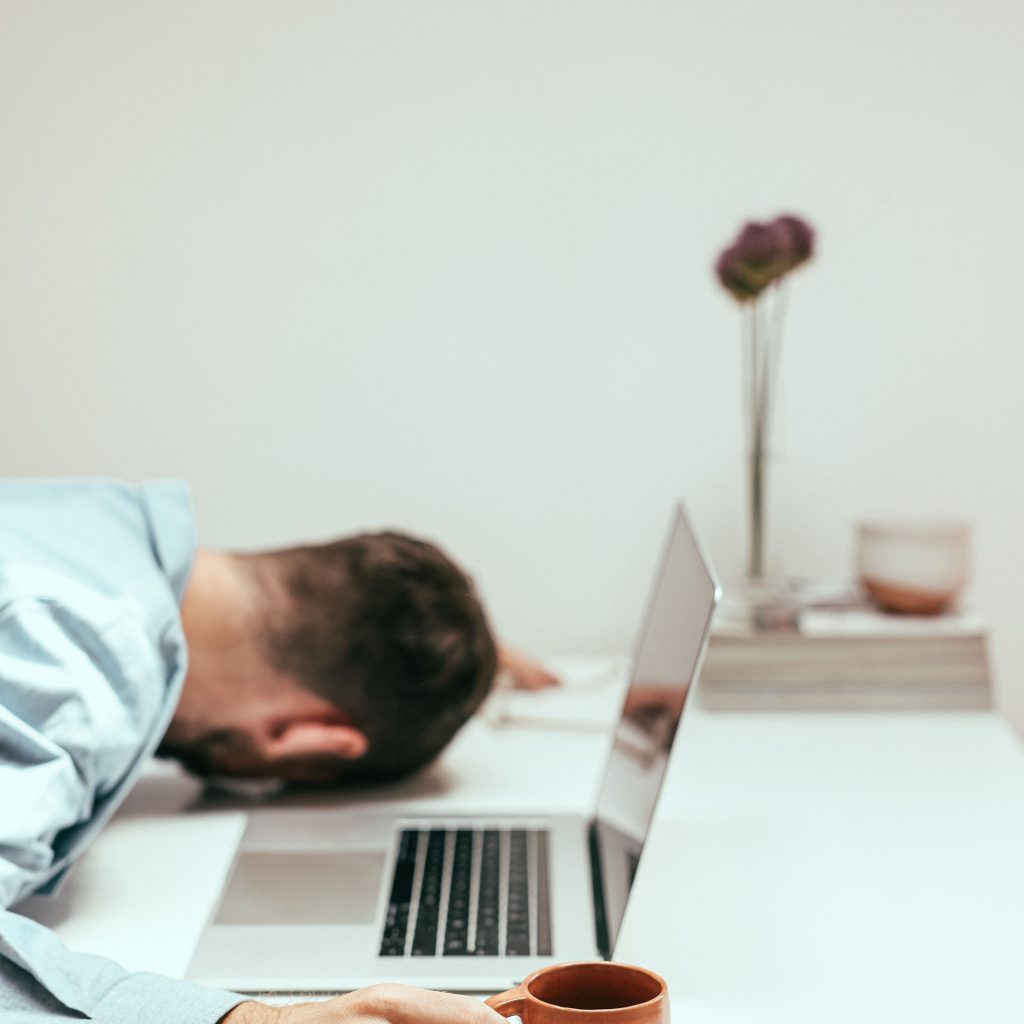
Millions of people now spend six to ten hours sitting every single day. Meanwhile, their bodies quietly pay the price for all that stillness. Prolonged sitting affects far more than your back. It can weigh down your mood, drain your energy, and slowly chip away at long-term health. The good news arrives quickly, though. Small daily habits can transform how you feel, both physically and mentally. In this article, you will discover ten simple habits that help desk workers feel stronger, sharper, and genuinely happier every single workday.
Why Desk Workers Need Healthy Habits
Desk jobs have grown rapidly over the past two decades, changing how most adults spend their working hours. Remote work has pushed that number even higher, since commuting time often disappears entirely into extra screen time. As a result, many people move less than ever before, even without realizing it, since their entire day now unfolds within a few square feet.
Prolonged sitting carries real health risks that build up slowly and quietly. Studies link it to heart disease, weight gain, and even shorter life expectancy. Beyond the serious risks, everyday discomfort builds up quickly too. Back pain becomes common after just a few hours in a chair, especially without proper support. Neck stiffness follows closely, especially when someone hunches toward a screen without noticing the strain.
Poor posture creates a ripple effect throughout the entire body, affecting far more than just your spine. Eye strain often appears after long stretches of screen focus, leaving many workers with tired, dry, or blurry vision by afternoon. Weight gain sneaks in gradually, since sitting burns far fewer calories than standing or walking around a room.
Fatigue builds steadily, making afternoons feel heavier than mornings ever do, no matter how much coffee gets poured. Reduced productivity often follows all these issues together, since a tired body rarely supports a sharp mind. Concentration slips, motivation fades, and simple tasks start feeling exhausting well before the workday actually ends.
Chronic disease risk also increases the longer these patterns continue unchecked, quietly stacking up over months and years. Diabetes, obesity, and cardiovascular issues all appear more frequently among people who sit for most of their day.
Fortunately, prevention remains far easier than treatment in almost every case. Small adjustments today can protect your body from bigger problems tomorrow, without requiring drastic lifestyle changes. That is exactly why healthy habits deserve a permanent place in your daily routine, starting right now rather than someday.
Habit One: Improve Your Sitting Posture
Good posture starts with your chair height. Your feet should rest flat on the floor, while your knees stay level with your hips. This simple alignment reduces pressure on your lower back significantly.
Spine alignment matters just as much. Sit back fully into your chair, letting the backrest support your natural curve. Avoid leaning forward toward your screen, since this habit strains both your neck and shoulders over time.
Foot placement plays a supporting role too. Keep both feet flat on the ground or on a footrest, rather than crossing your legs for long periods. Crossed legs can restrict circulation and quietly worsen posture habits.
Monitor positioning deserves careful attention as well. Position your screen at eye level, roughly an arm’s length away from your face. This prevents you from tilting your neck up or down repeatedly throughout the day.
Keyboard and mouse placement should keep your wrists straight and relaxed. Elbows should stay close to your body, forming a comfortable right angle at your sides.
Common posture mistakes include slouching, crossing legs, and leaning too close to the screen. Correcting these small habits brings noticeable benefits. Better posture reduces pain, improves breathing, and even boosts your confidence throughout the workday.
Habit Two: Take Movement Breaks Every Hour
Prolonged sitting slows circulation and stiffens muscles surprisingly fast. Even short movement breaks can interrupt this pattern effectively. Standing and walking briefly wakes up your body and refreshes your mind at the same time.
Research shows that standing regularly improves blood flow and reduces fatigue. Walking for even two minutes can boost mood and sharpen focus almost immediately afterward. Stretching for two to five minutes every hour also works wonders. Simple office-friendly movements include shoulder rolls, gentle neck tilts, and standing calf raises. None of these require special equipment or extra space.
Setting reminders removes the guesswork entirely. Many productivity apps now include built-in movement alerts. Some smartwatches also nudge you gently after long periods of stillness. Over time, these tiny breaks add up into meaningful health improvements. Your body was never designed to stay frozen for eight hours straight. Movement, even in small doses, keeps everything running smoothly.
Habit Three: Stay Hydrated Throughout the Day
Water fuels nearly every function inside your body, including brain performance. Even mild dehydration can quietly sabotage your entire workday.
Dehydration often shows up as headaches that seem to appear from nowhere. Fatigue also creeps in, making simple tasks feel unusually draining. Reduced concentration follows closely behind, since your brain relies heavily on proper hydration to function clearly.
Drinking more water becomes easier with a few small tricks. Keep a water bottle visible on your desk at all times. Set hydration reminders alongside your movement break alerts. Flavor plain water with lemon or cucumber if the taste feels boring.
Healthy beverage choices also matter. Herbal tea, infused water, and plain sparkling water all support hydration nicely. Meanwhile, limiting sugary drinks protects your energy levels from sudden crashes later in the day. Consistent hydration keeps your mind sharp and your energy steady from morning until evening.
Habit Four: Eat Nutritious Meals and Healthy Snacks
Nutrition directly shapes how your body and mind perform throughout the workday. Avoiding excessive processed foods gives you a strong foundation to build on.
Balanced meals include a healthy mix of protein, fiber, and healthy fats, each playing a distinct role in how you feel later. Protein keeps you full longer, preventing that sluggish feeling after lunch that often leads to reaching for sugary snacks. Fiber supports digestion and helps regulate blood sugar levels steadily, keeping energy far more consistent throughout the afternoon.
Fruits and vegetables deserve a central place on your plate every single day. They deliver essential vitamins while keeping meals light and satisfying, without weighing you down before an afternoon meeting. Whole grains, including brown rice and oats, provide long-lasting energy without sudden crashes that leave you reaching for coffee by three.
Healthy fats, found in nuts, seeds, and avocados, support brain function remarkably well, especially during mentally demanding tasks. These fats also help you feel satisfied after meals, reducing the urge to snack constantly out of boredom rather than genuine hunger.
Smart office snacks include almonds, yogurt, fruit, and vegetable sticks with hummus, all of which travel well and require little preparation. These options keep energy steady without the sugar crash that follows candy or pastries pulled from a break room jar.
Meal preparation makes healthy eating far easier during busy weeks, removing decision fatigue right when you need clarity most. Preparing lunches ahead of time removes the temptation of last-minute fast food runs, saving both money and unnecessary stress.
Habit Five: Protect Your Eyes from Digital Eye Strain
Screens dominate most desk jobs, and eyes often bear the heaviest burden. Excessive screen time causes dryness, blurred vision, and persistent headaches for many workers. The twenty-twenty-twenty rule offers a simple solution. Every twenty minutes, look at something twenty feet away for twenty seconds. This small habit gives your eye muscles a much-needed break.
Proper screen brightness also protects your eyes significantly. Match your screen brightness to the lighting around you, avoiding harsh contrast that forces your eyes to strain. Reducing glare helps as well. Position your screen away from windows or bright overhead lights whenever possible. Anti-glare screen protectors offer another simple fix.
Adjusting monitor distance keeps your eyes relaxed rather than straining forward. Blinking more often also matters, since people blink far less while staring at screens, which dries out the eyes faster than usual. Together, these small adjustments protect your vision for years to come.
Habit Six: Stretch Regularly to Prevent Muscle Stiffness
Muscles tighten quickly when they stay in one position for hours, gradually losing the flexibility they once had. Regular stretching keeps your body loose, mobile, and far more comfortable throughout the day, especially during longer stretches of focused work.
Neck stretches release tension that builds from staring at screens for extended periods. Gently tilt your head side to side, holding each stretch for a few seconds before switching directions. Shoulder stretches follow naturally, releasing tightness that accumulates from typing and mouse use hour after hour.
Wrist exercises protect against strain injuries common among desk workers who type for most of the day. Simple circles and gentle stretches keep tendons flexible and pain-free, especially when done consistently rather than occasionally.
Hip stretches matter more than most people realize, since sitting tightens hip flexors significantly over time. This tightness can eventually affect your walking posture and even contribute to lower back discomfort down the line. Hamstring stretches also loosen muscles that shorten from constant sitting, restoring a fuller range of motion.
Lower back mobility exercises, like gentle twists, relieve stiffness that builds throughout a long workday, especially after several hours at a desk. Altogether, these stretches improve flexibility, boost circulation, and reduce daily discomfort dramatically, moving feel easier by the end of the week.
Habit Seven: Manage Stress During the Workday
Workplace stress builds quietly, often without obvious warning signs. Left unchecked, it eventually leads to burnout and lasting mental fatigue.
Deep breathing offers a quick and effective reset whenever tension starts creeping into your shoulders or your thoughts. Slow, deliberate breaths calm your nervous system almost instantly, shifting your body out of that tense, reactive state. Mindfulness practices, even brief ones lasting only a minute or two, help you refocus during overwhelming moments without needing a full break.
Short mental breaks throughout the day prevent stress from piling up unnoticed until it suddenly feels unmanageable. Stepping away from your screen for a few minutes restores clarity and patience, especially before responding to a tense email or difficult message.
Time management also reduces stress significantly, since a clear plan removes much of the mental clutter that fuels anxiety. Prioritizing tasks prevents that overwhelmed feeling that comes from trying to do everything at once, all before lunch. Setting realistic work boundaries protects your energy from constant depletion, especially when requests pile up faster than you can respond.
Maintaining work-life balance remains essential for long-term well-being. Logging off at a reasonable time protects both your mental health and your relationships outside of work. Managing stress consistently keeps your mind resilient, focused, and ready for whatever the workday brings.
Habit Eight: Create an Ergonomic Workspace
An ergonomic chair supports your spine properly throughout long working hours. Look for adjustable height, lumbar support, and comfortable cushioning. Desk height should allow your elbows to rest at roughly ninety degrees while typing. An adjustable monitor helps maintain proper eye level without straining your neck upward or downward.
Wrist support reduces pressure during long typing sessions, protecting against repetitive strain injuries. Standing desk options give you flexibility to alternate between sitting and standing throughout the day.
Lighting matters more than most people expect. Soft, natural lighting reduces eye strain far better than harsh overhead lights. Workspace organization also plays a role, since clutter can quietly increase stress and reduce focus. An ergonomic setup delivers real benefits. It reduces pain, improves posture, and helps you work comfortably for longer stretches without discomfort creeping in.
Habit Nine: Exercise Before or After Work
Desk work simply cannot replace real physical exercise. Even an active job involves far less movement than your body actually needs.
Walking remains one of the easiest ways to add movement into your day, requiring nothing more than a pair of shoes and a bit of time. Strength training builds muscle and protects your joints as you age, helping counter the muscle loss that naturally comes with a sedentary schedule. Yoga improves flexibility while calming your mind at the same time, making it a favorite among people juggling both stress and stiffness.
Cycling offers a joint-friendly cardio option that many people genuinely enjoy, whether outdoors or on a stationary bike at home. Swimming provides a full-body workout without straining tired muscles, making it especially gentle on joints affected by long hours of sitting. Home workouts remove excuses entirely, since they require little space or equipment, fitting neatly into even the busiest evening.
Weekly exercise recommendations suggest at least one hundred fifty minutes of moderate activity, a number that sounds intimidating until broken into smaller pieces. Breaking this into short daily sessions makes the goal feel far more manageable, turning a big commitment into a series of easy wins.
Building consistency matters more than intensity, especially when you are just getting started. A short daily walk beats an occasional intense workout every single time, since consistency creates lasting habits your body can rely on and actually look forward to.
Habit Ten: Prioritize Quality Sleep
Sleep directly shapes your productivity, mood, and overall health. Without enough rest, even the healthiest daytime habits struggle to make a real difference. Sleep supports physical recovery, repairing muscles and restoring energy overnight. It also protects mental health, reducing anxiety and improving emotional resilience throughout the day.
Evening routines help signal your body that rest time approaches. Reducing screen time before bed prevents blue light from disrupting your natural sleep cycle. A consistent sleep schedule trains your body to fall asleep and wake up more easily. Creating a sleep-friendly environment also matters greatly. Keep your room cool, dark, and quiet whenever possible. Comfortable bedding and minimal noise both encourage deeper, more restorative rest.
Prioritizing sleep ultimately fuels every other healthy habit on this list, making it one of the most important steps you can take.
A Simple Daily Routine for Healthier Desk Workers
Mornings can start with a full glass of water immediately after waking. A healthy breakfast, rich in protein and fiber, follows soon after. Setting up your workstation properly before diving into tasks prevents posture problems later.
Hourly movement breaks keep energy steady throughout the morning. A balanced lunch, packed with vegetables and lean protein, refuels your body for the afternoon ahead. Afternoon stretching helps combat that common midday slump many desk workers experience.
Exercise after work, even a short walk, clears your mind and burns off built-up tension. A healthy dinner supports recovery, while relaxation afterward helps your nervous system unwind fully.
Finally, quality sleep closes out the day, preparing your body and mind for tomorrow. Following this simple rhythm consistently builds lasting energy and genuine wellbeing over time.
Small Steps Today Build a Healthier Tomorrow
Small habits truly do lead to lasting health improvements over time. You do not need to overhaul your entire lifestyle overnight. Consistency matters far more than perfection ever could. Start with just one or two habits from this list. Once they feel natural, add another, then another. This gradual approach builds momentum without overwhelming your schedule.
Investing in your health supports far more than physical comfort. It boosts productivity, sharpens focus, and protects your long-term wellbeing for years to come. So pick one habit today, and give your body the care it truly deserves.
Recommended Reading: How to Fix Your Sleep Schedule: Tips to Reset Your Body Clock Naturally