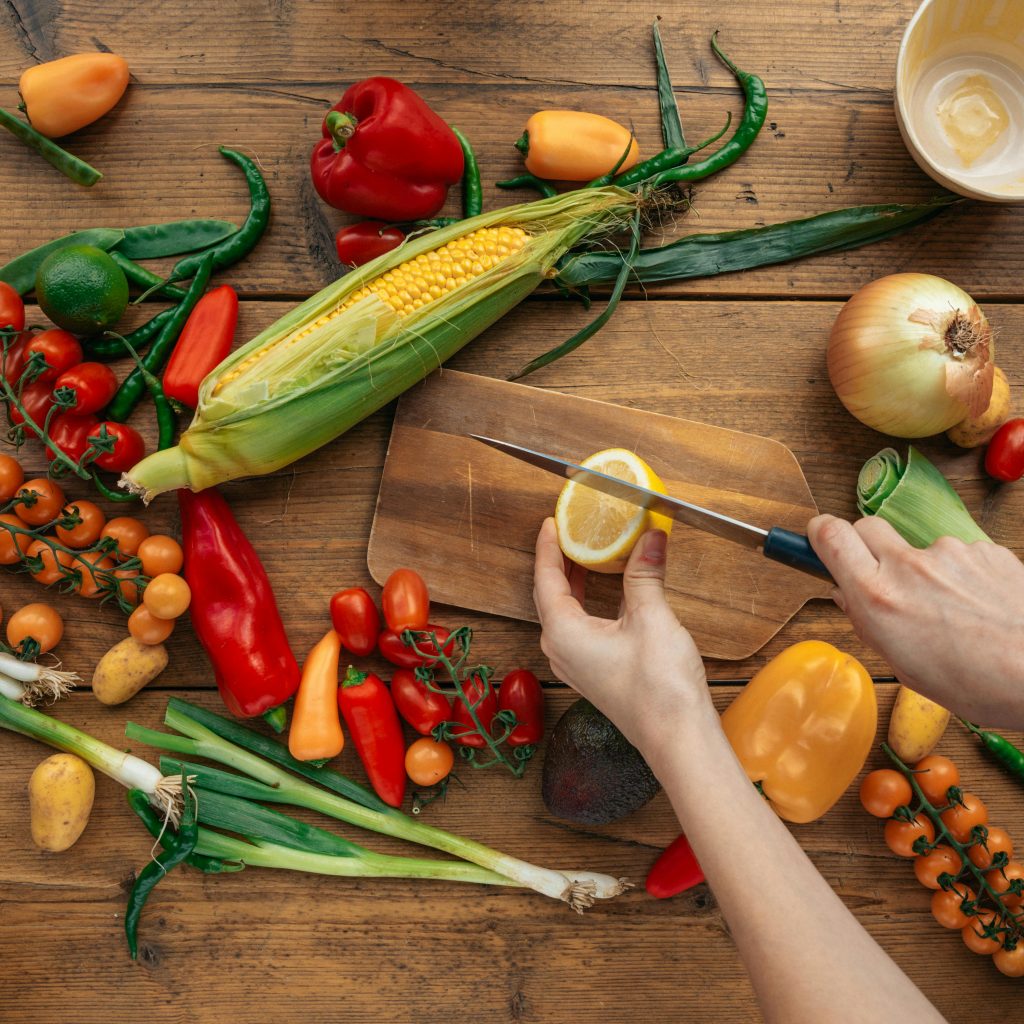
Can the food on your plate genuinely help prevent illness? Most people reach for medicine when they feel sick, yet the answer to lasting wellness might already sit on your kitchen counter. Researchers, doctors, and nutritionists increasingly agree that what you eat shapes your health far more than most people realize. Food as medicine means using nutrient-rich foods and dietary patterns to support health, reduce disease risk, and help manage certain health conditions. This article covers the definition, the science, the real benefits, the best examples, the honest limitations, and practical steps you can take starting today.
What Does “Food as Medicine” Actually Mean?
The phrase sounds poetic, but the concept carries serious scientific weight. Understanding it clearly helps you make smarter choices every single day.
The Basic Meaning
Food is far more than fuel for your body. Every meal you eat delivers vitamins, minerals, fiber, antioxidants, protein, and healthy fats directly into your bloodstream. These nutrients actively support your immune function, hormone balance, digestion, heart health, and brain performance. So when scientists say food is medicine, they mean food carries biological instructions your body uses to stay well. Think of every meal as a message you send to your cells.
Food as Prevention
Consistently choosing nutritious foods builds a protective shield around your long-term health. Strong dietary patterns can meaningfully reduce the risk of type 2 diabetes, hypertension, obesity, heart disease, and even some cancers. The American College of Lifestyle Medicine confirms that whole food, plant-rich dietary interventions can treat and even reverse chronic diseases in adults and children. Prevention is always more powerful and far less expensive than treatment. Your grocery list is one of the most important health decisions you make all week.
Food as Supportive Therapy
For people already managing chronic conditions, food plays a critical supporting role alongside prescribed care. Medically tailored meals, for example, lower hospital admissions and improve medication adherence for patients with serious illnesses like heart failure, diabetes, and cancer. Food supports medicine but does not replace prescribed treatment when medical care is needed. Think of food as a powerful co-pilot, not the entire flight crew. Together, diet and medicine achieve results that neither can fully accomplish alone.
The Science Behind Food as Medicine

Science does not ask you to take this on faith. Decades of research now explain exactly how food works inside your body at the cellular level.
Nutrients and Body Function
Every nutrient your food provides plays a specific biological role. Vitamin C actively strengthens your immune response and speeds wound healing. Omega-3 fatty acids from fish protect your heart and support healthy brain function. Fiber improves your digestion, lowers bad cholesterol, and steadies your blood sugar levels. Iron builds healthy red blood cells, while calcium keeps your bones dense and strong. Food is essentially a daily pharmacy you walk through at the supermarket.
Anti-Inflammatory Effects
Chronic inflammation quietly drives some of the most devastating diseases on the planet, including heart disease, diabetes, and even depression. Fortunately, specific foods actively calm this inflammatory response inside your body. Fatty fish, berries, leafy greens, turmeric, and nuts all contain powerful anti-inflammatory compounds like omega-3 fatty acids, polyphenols, and antioxidants. Research published in Frontiers in Nutrition found that anti-inflammatory diets improve quality of life, reduce pain, and even improve sleep. The food on your fork can either promote inflammation or help fight it.
Gut Health and the Microbiome
Your gut is home to trillions of bacteria, and the food you eat decides whether those bacteria help or harm you. Yogurt, fermented foods like kimchi and kefir, and fiber-rich vegetables feed beneficial gut bacteria that your immune system depends on. Research shows that long-term consumption of dietary fiber from fruits, vegetables, and grains directly increases the prevalence of health-promoting microbes in your gut. These beneficial bacteria produce short-chain fatty acids that reduce inflammation, support digestion, and even influence your mood. A healthy gut is genuinely the foundation of a healthy life.
How Food Helps Prevent Disease
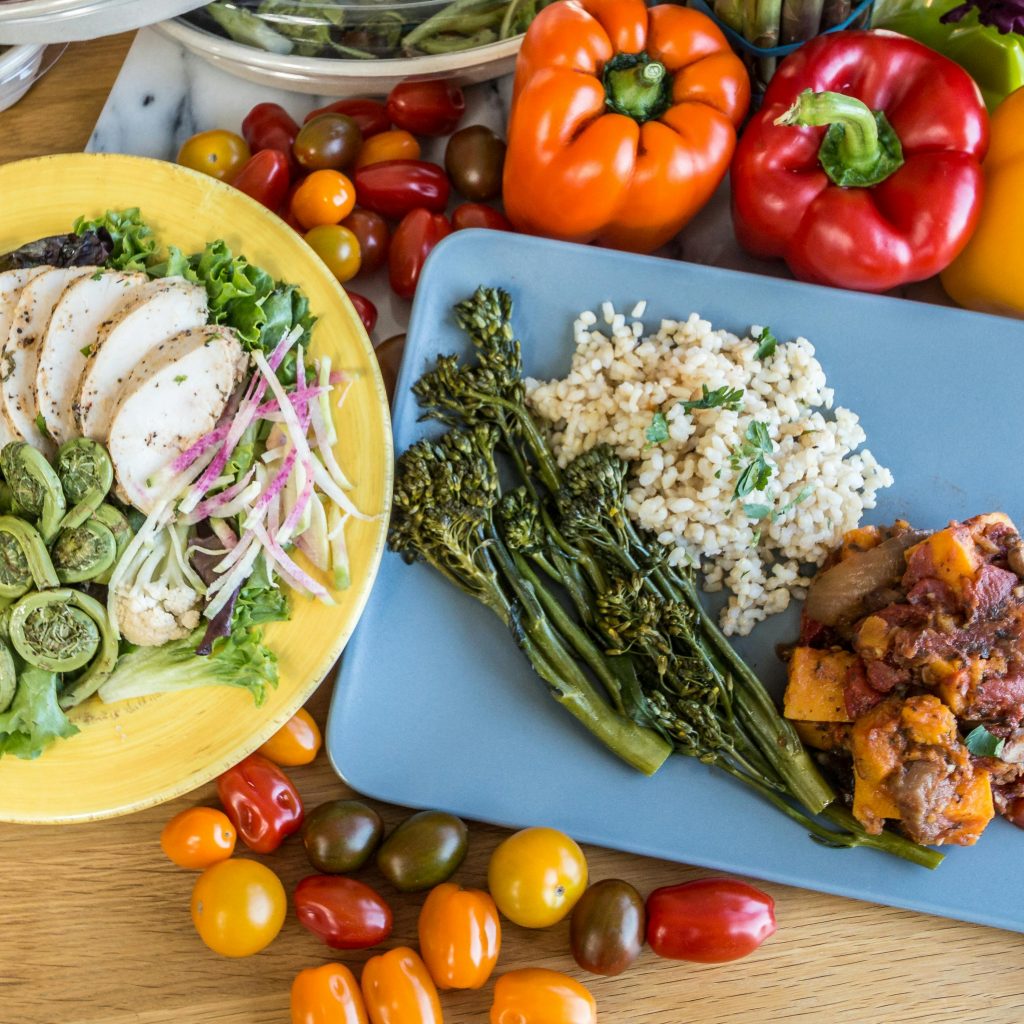
This area is where the evidence gets truly exciting. Food does not just nourish you today but also actively protects you from diseases that might otherwise arrive years from now.
Heart Disease Prevention
Heart disease remains the leading cause of death worldwide, yet diet powerfully shapes your risk. Oats lower harmful LDL cholesterol, salmon provides omega-3 fatty acids that reduce arterial inflammation, and olive oil delivers heart-protective monounsaturated fats. Avocados supply potassium and healthy fats that directly support healthy blood pressure levels. Colorful vegetables like spinach, kale, and peppers flood your arteries with antioxidants that fight oxidative damage. Eating for your heart is one of the most loving things you can do for your future self.
Diabetes Prevention and Blood Sugar Control
Type 2 diabetes is largely preventable through diet, which is genuinely empowering news. Low glycemic foods like beans, lentils, whole grains, and non-starchy vegetables release sugar slowly and keep your blood glucose steady. Fiber-rich foods improve insulin sensitivity, which means your body handles sugar more efficiently over time. Eggs and nuts provide protein and healthy fats that stabilize blood sugar between meals. Consistent, balanced eating is one of the most effective tools for keeping diabetes at bay.
Weight Management
Whole foods naturally support a healthy weight without demanding calorie counting at every meal. Protein-rich foods like legumes, chicken, and eggs increase satiety, meaning you feel full and stay full much longer. Fiber in fruits, vegetables, and whole grains slows digestion and prevents the blood sugar spikes that trigger intense cravings. Ultra-processed foods, in contrast, bypass your body’s natural fullness signals and drive overeating. Choosing whole foods is not a diet. It is a lifestyle that works with your biology instead of against it.
Immune System Support
Your immune system needs the right nutritional building blocks to fight off infections effectively. Citrus fruits deliver vitamin C, which stimulates the production of white blood cells your body uses to attack pathogens. Garlic contains allicin, a compound with well-documented antimicrobial and immune-boosting properties. Ginger reduces oxidative stress and inflammation, giving your immune system a cleaner battlefield to work on. Leafy greens supply folate, vitamin K, and antioxidants that keep every system in your body running at full capacity.
Examples of Foods with Medicinal Benefits
Some foods go far beyond basic nutrition. These foods bring concentrated healing compounds that researchers are actively studying around the world.
Fruits
Berries are among the most nutrient-dense foods on earth. Blueberries, strawberries, and raspberries deliver anthocyanins, a class of antioxidants that protect your brain and reduce heart disease risk. Oranges and other citrus fruits provide immune-boosting vitamin C alongside flavonoids that actively lower inflammation markers. Bananas supply potassium, which regulates blood pressure and supports healthy muscle and nerve function. Mangoes deliver beta-carotene, which your body converts into vitamin A for eye health and immune defense. Eating two or three different fruits daily is one of the easiest upgrades you can make to your health.
Vegetables
Vegetables are the most consistently cited group of medicinal foods across every major nutrition study. Spinach packs iron and folate, nutrients essential for red blood cell production and fetal development. Broccoli contains sulforaphane, a compound that research links to cancer-protective effects in the body. Carrots supply beta-carotene and lutein, nutrients that actively protect your vision and support your immune system. Garlic deserves special mention because its sulfur compounds reduce blood pressure, cholesterol, and markers of systemic inflammation. Aim to cover at least half your plate with vegetables at every meal.
Whole Grains
Refined grains strip away the bran and germ, removing exactly the parts that make ordinary grains valuable. Oats contain beta-glucan fiber, which lowers LDL cholesterol and improves blood sugar regulation after meals. Brown rice provides magnesium, B vitamins, and fiber that support energy metabolism and digestive health. Quinoa is a complete protein, meaning it contains all nine essential amino acids your body cannot make on its own. Whole grains keep you full longer and dramatically reduce your risk of heart disease compared to refined carbohydrates. Swapping white rice and white bread for whole-grain alternatives is a simple change with a powerful payoff.
Healthy Fats
Fat got a bad reputation for decades, but science has thoroughly overturned that outdated idea. Avocados provide monounsaturated fats that lower bad cholesterol while raising your levels of protective HDL cholesterol. Extra-virgin olive oil contains oleocanthal, a compound that works similarly to ibuprofen in reducing inflammation in your body. Walnuts and flaxseeds deliver plant-based omega-3 fatty acids that support your brain, heart, and joints. Seeds like chia and hemp add fiber, protein, and minerals to any meal with minimal effort. Healthy fats do not make you fat. They protect you.
Herbs and Spices
Herbs and spices are among the most concentrated sources of medicinal compounds found in nature. Turmeric contains curcumin, a potent anti-inflammatory compound that researchers study for its potential in reducing arthritis pain and protecting brain health. Ginger actively reduces nausea, lowers blood sugar, and fights inflammation throughout the body. Garlic works as a natural antibiotic and cardiovascular protector, with studies showing it lowers blood pressure and reduces cholesterol. Cinnamon improves insulin sensitivity and helps lower fasting blood sugar levels in people with type 2 diabetes. Adding these ingredients to your daily cooking is one of the most affordable and powerful nutrition upgrades available.
Protein Sources
Protein does far more than build muscle. It repairs tissues, makes enzymes, and keeps your immune defenses strong. Eggs provide complete protein alongside choline, a nutrient critical for brain health and liver function. Fatty fish like salmon and mackerel deliver both high-quality protein and anti-inflammatory omega-3 fatty acids in a single serving. Legumes such as lentils and black beans combine protein with fiber, making them extraordinary for blood sugar control and gut health. Lean chicken and turkey offer low-fat protein that supports muscle maintenance without excess saturated fat. Every meal with a quality protein source is an investment in your body’s repair system.
Can Food Really Heal the Body?
This is the question everyone asks, and it deserves an honest, nuanced answer. Yes, food actively supports healing in meaningful, measurable ways.
Protein accelerates tissue repair after injury or surgery, which is why hospitals prioritize nutritional care for recovering patients. Vitamin C directly participates in collagen synthesis, the biological process your body uses to close wounds and rebuild connective tissue. Iron replenishment through food helps restore energy and red blood cell counts in people managing anemia. Anti-inflammatory foods reduce the cellular damage that slows recovery and makes healing harder. Food genuinely supports your body’s natural ability to restore itself.
However, food is powerful but should not be marketed as a miracle cure. Serious infections require antibiotics. Broken bones need surgical repair. Cancer treatment demands targeted medical intervention far beyond what any diet can provide. The honest, evidence-based position is that food actively supports healing, accelerates recovery, and reduces disease risk while working alongside professional medical care.
The Limitations of the “Food as Medicine” Idea

Credibility in health communication requires honesty about what food can and cannot do. So here is the full picture.
Food cannot cure every disease, and pretending otherwise does real harm to people who delay necessary treatment. Genetics significantly influence your disease risk, meaning some conditions develop even with an excellent diet throughout your life. Lifestyle factors like physical activity, sleep quality, stress management, and social connection all work together with diet to determine your health outcomes. Severe infections need antibiotics, and no amount of turmeric replaces them in a crisis. Chronic illness often requires prescription medications that food cannot substitute for, no matter how nutrient-rich your meals are. The goal is integration, not replacement. Use food as a powerful daily tool alongside the full range of medical science available to you.
How to Start Using Food as Medicine in Daily Life
The best nutrition strategy is the one you can actually maintain. Fortunately, getting started does not require perfection or an expensive overhaul of your entire kitchen.
Start with Whole Foods
Focus your grocery shopping on vegetables, fruits, lean proteins, whole grains, and healthy fats. These foods provide the widest range of nutrients your body uses to function, protect itself, and recover from daily stress. Variety matters enormously, so try to eat as many different colors of produce as possible throughout the week. Each color group delivers different antioxidants and phytonutrients that your body needs. A colorful plate is not just visually appealing. It is biologically comprehensive.
Reduce Ultra-Processed Foods
Ultra-processed foods actively undermine the healing potential of an otherwise good diet. Sugary drinks spike your blood sugar, increase inflammation, and deliver zero nutritional value. Fast food, pastries, packaged snacks, and processed meats flood your body with refined carbohydrates, unhealthy fats, and additives that promote chronic inflammation. Reducing these foods gradually rather than eliminating them overnight makes the change sustainable. Replace one ultra-processed item per week with a whole food alternative and watch the difference compound over time.
Meal Planning Tips
Planning your meals removes the daily decision fatigue that drives poor food choices. Start your day with a balanced breakfast that includes protein, fiber, and healthy fat to stabilize your blood sugar from the very first meal. Add a protein source to every meal to maintain satiety, support tissue repair, and keep your metabolism steady. Drink water consistently throughout the day because even mild dehydration impairs focus, energy, and digestion. Cook more meals at home because home cooking gives you complete control over every ingredient in your food. Small, consistent habits compound into extraordinary long-term results.
Food Is Powerful, But Balance Matters

Food as medicine is about intentionally choosing foods that support long-term health, reduce disease risk, and work alongside healthy lifestyle habits and professional medical care. The evidence is clear and growing stronger every year. Diet is one of the most controllable variables in your lifelong health equation. You do not need to be perfect. You simply need to be consistent, curious, and compassionate with yourself on this journey. Every single meal is a fresh opportunity to nourish your body, protect your future, and honor the one life you have been given. Start today, one plate at a time.
Recommended Reading: Signs Your Gut Health Is Poor (And How to Fix It)