Your customers do not trust perfect anymore. They trust what feels honest, human, and a little bit messy. In 2026, polished campaigns and AI‑sounding posts flood every feed, so your brand can disappear in the noise when you only share finished products and scripted captions.
People want to see what actually happens behind the scenes, from rough drafts and busy desks to quiet moments before a launch. When you start showing the process, you give them real reasons to care about you instead of the next similar offer.
Behind-the-scenes content shows real people doing real work for real customers. This kind of transparency builds trust and emotional connection, which can increase engagement and make your brand more memorable over time.
Research on behind‑the‑scenes media and authenticity in marketing suggests that audiences respond more positively when they feel closer to the process and the humans involved. In this post, you will get 10 practical behind‑the‑scenes content ideas you can start using this week, even if all you have is your phone and a small space.
Employee spotlight stories

People connect faster with people than with logos or product photos. When you introduce the faces behind your brand, you make your business feel human, relatable, and trustworthy. Employee spotlights also show your values in action, because readers see who you hire, how you treat them, and what they care about. In a noisy, automated content landscape, real human stories stand out and keep customers coming back for more.
You can create simple employee spotlight content in many formats. Short written interviews work well for your blog, email, and LinkedIn. “Meet the team” photos fit Instagram, Facebook, and your About page. Day‑in‑the‑life Reels or TikToks let people follow one team member through a normal workday, from the first coffee to the last task. Rotate different roles over time so customers see the whole team, not only leadership.
To make these stories easy to produce, use repeatable question prompts for your team members. You can ask things like, “What does a typical workday look like for you?” “What do you enjoy most about working with our customers?” “What’s one challenge you solved recently that made you proud? “What’s something people would be surprised to learn about your job?”, and “Which product or service is your favorite, and why? ”. These prompts reveal personality and expertise without forcing anyone to overshare.
How to turn staff stories into social posts and blog content
You can repurpose each spotlight into multiple content pieces. Turn the full Q&A into a blog post, then pull one or two strong quotes for Instagram captions, LinkedIn posts, or email intros. Create a short vertical video where the employee answers one key question on camera, and pair it with a candid photo for your feed or website. Over time, you can group several spotlights into a “Meet the Team” page or a highlight on Instagram so new visitors can watch those stories in one place.
Day in the life of your business
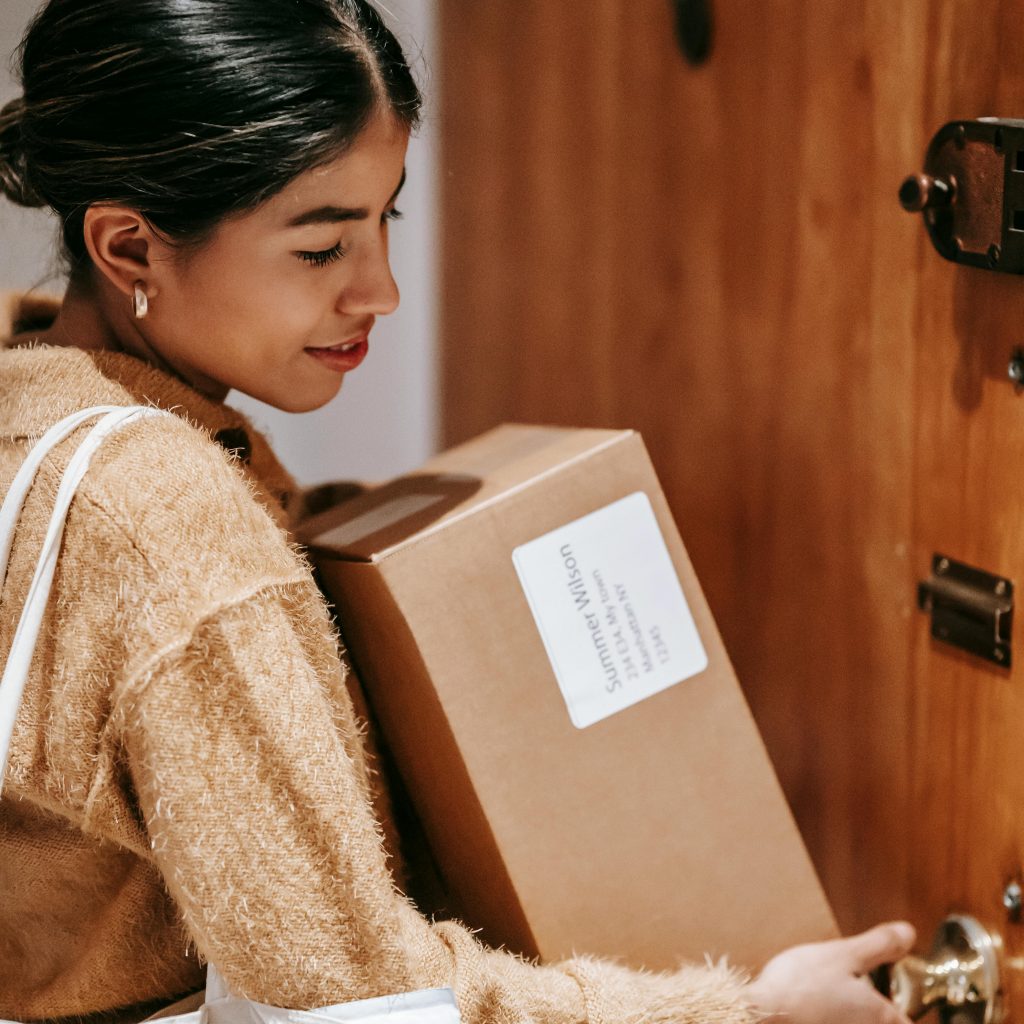
A “day in the life” content piece shows what it actually feels like to run your business, moment by moment. It makes your brand more relatable because customers see the effort, routines, and small decisions that never appear in polished ads. Even when your day feels normal or boring, those details are fresh and interesting to people on the outside. When you share the “behind the scenes of our business” in this way, you turn everyday tasks into stories that build trust and curiosity.
You can structure this kind of behind-the-scenes content around a simple timeline. Start with your morning setup, such as opening the shop, turning on lights, preparing tools, or checking overnight messages. Move into your first customer interaction, key tasks like packing orders or client calls, and any team moments, such as quick meetings or lunch. End with your closing routine, including tidying up, planning tomorrow, or reflecting on one highlight from the day.
To keep this format flexible, choose a clear angle for each piece. You can do a founder day, where you show your own schedule from wake‑up to shutdown. You can also highlight a staff member, such as your barista, assistant, or customer service lead, so customers learn how different roles keep things moving. For another variation, focus on a specific role and title it “A Day in the Life of Our [Designer/Trainer/Chef],” which works well as both a blog post and social media series.
Product creation and production process
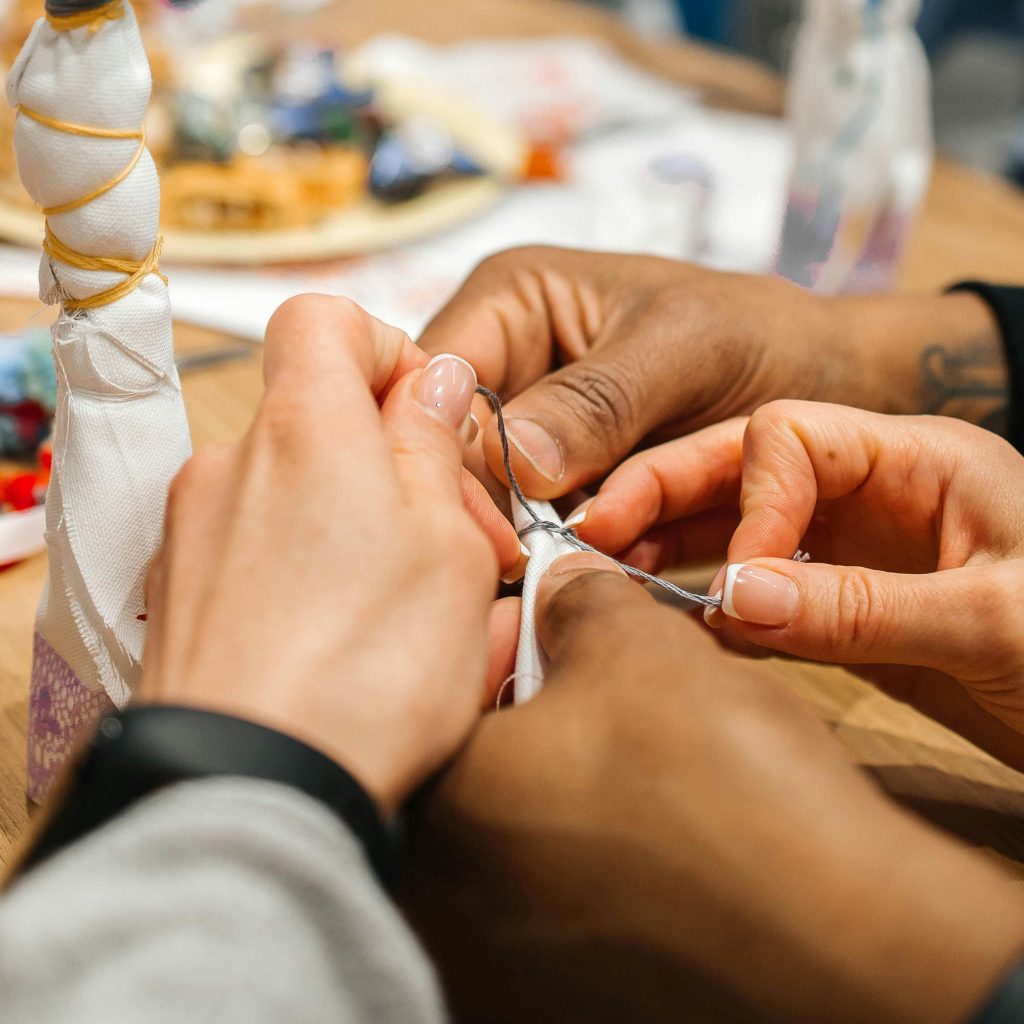
Customers feel more confident when they understand how your product or service moves from idea to finished result. When you walk them through each step, you show that you care about quality and that you have nothing to hide. This kind of transparency turns your process into a story and helps people see the value behind the price. It also separates you from competitors who only show the polished result.
You can break this “behind the scenes of our business” story into clear stages. Start with the concept phase, where you describe how you spot a problem or opportunity and turn it into an idea. Move into materials and tools, where you show what you use, why you chose those options, and how they support quality or sustainability.
Then take readers into the making phase, where your team designs, builds, cooks, mixes, codes, or assembles the offer. After that, explain your quality checks, such as testing, reviews, or approvals, that make sure everything works as promised. Finish with packaging and final presentation, including how you prepare products or deliverables so they arrive in great condition.
A short example makes this real. You could write, “Here is how a single candle moves through our workshop in 24 hours.” Then you show the sketch, wax selection, scent testing, pouring, curing, label application, quality check, and final packing into a box with a thank‑you card. You can adapt the same idea for food orders, coaching programs, digital products, or beauty services.
Sneak peeks of upcoming launches
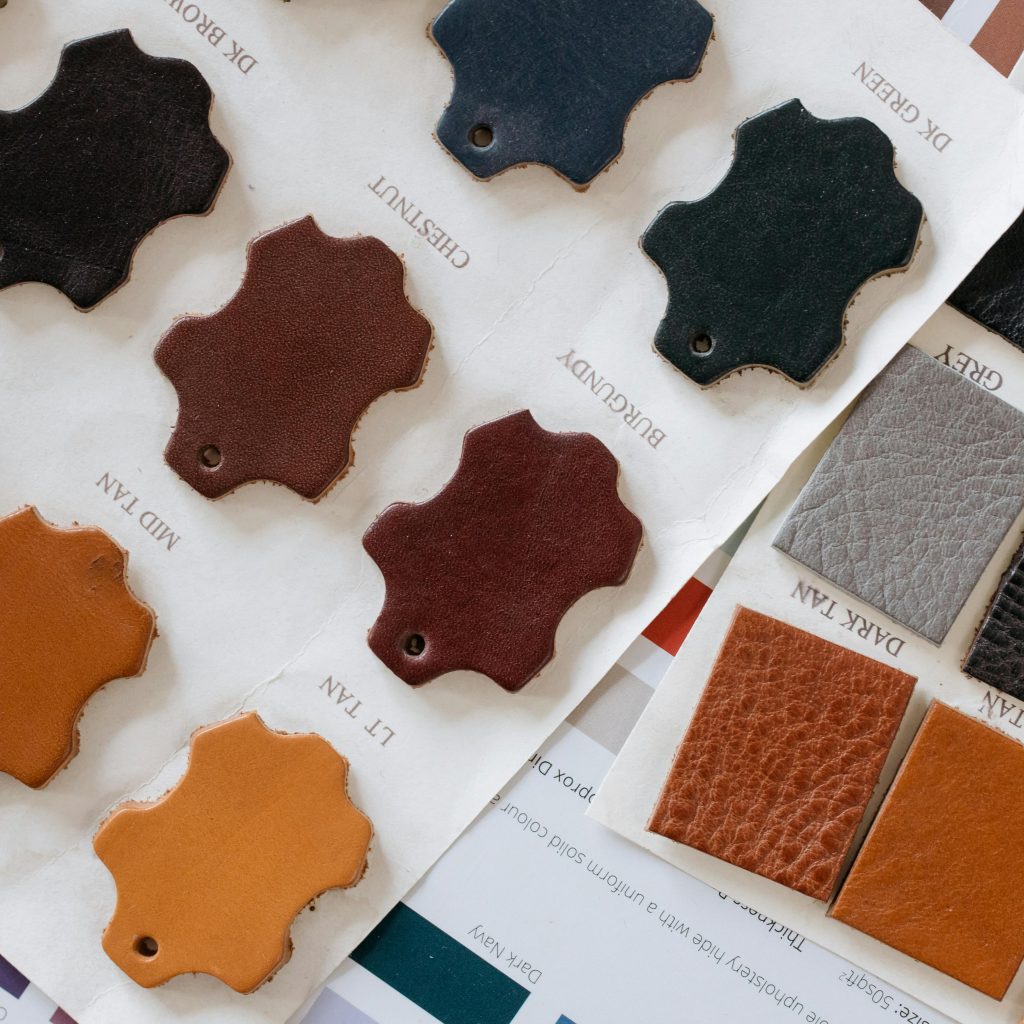
Customers love to feel one step ahead, so sneak peeks of upcoming launches give them a reason to stay close to your brand. When you share early sketches, rough samples, mood boards, or packaging tests, you invite people into your creative process instead of only showing the final reveal. That early access makes followers feel like insiders and can turn casual viewers into fans.
Sneak peek content also helps you test ideas before you commit. You can show two packaging options and ask which one people prefer, or share a mood board and ask which color palette feels more exciting.
Simple formats work best, like blurred product photos with a “coming soon” caption, a small “coming soon” shelf, or short countdown stories that reveal one small detail each day. These small previews build anticipation, gather feedback, and give you a warmer audience ready to buy when launch day arrives.
Behind-the-scenes of content creation

People often assume your “perfect” posts appear out of nowhere, so showing how you create them makes your brand feel more human and approachable. When you share “behind-the-scenes social media content,” you help customers see the real effort behind a single photo, Reel, or blog post. This kind of honesty builds trust because followers understand that you plan, test, and refine each piece instead of relying on quick, AI‑generated content.
You can walk your audience through every part of how we create our content. Show how you shoot photos, record videos, and write posts, starting with your rough ideas or content calendar. Include the “messy middle,” such as bloopers, retakes, piles of props, or your unedited workspace on a busy day. Highlight simple tools and setups you actually use, like your phone, ring light, tripod, editing apps, caption templates, or planning boards, so people see that they do not need a full studio to show up online.
Customer journey: from order to delivery
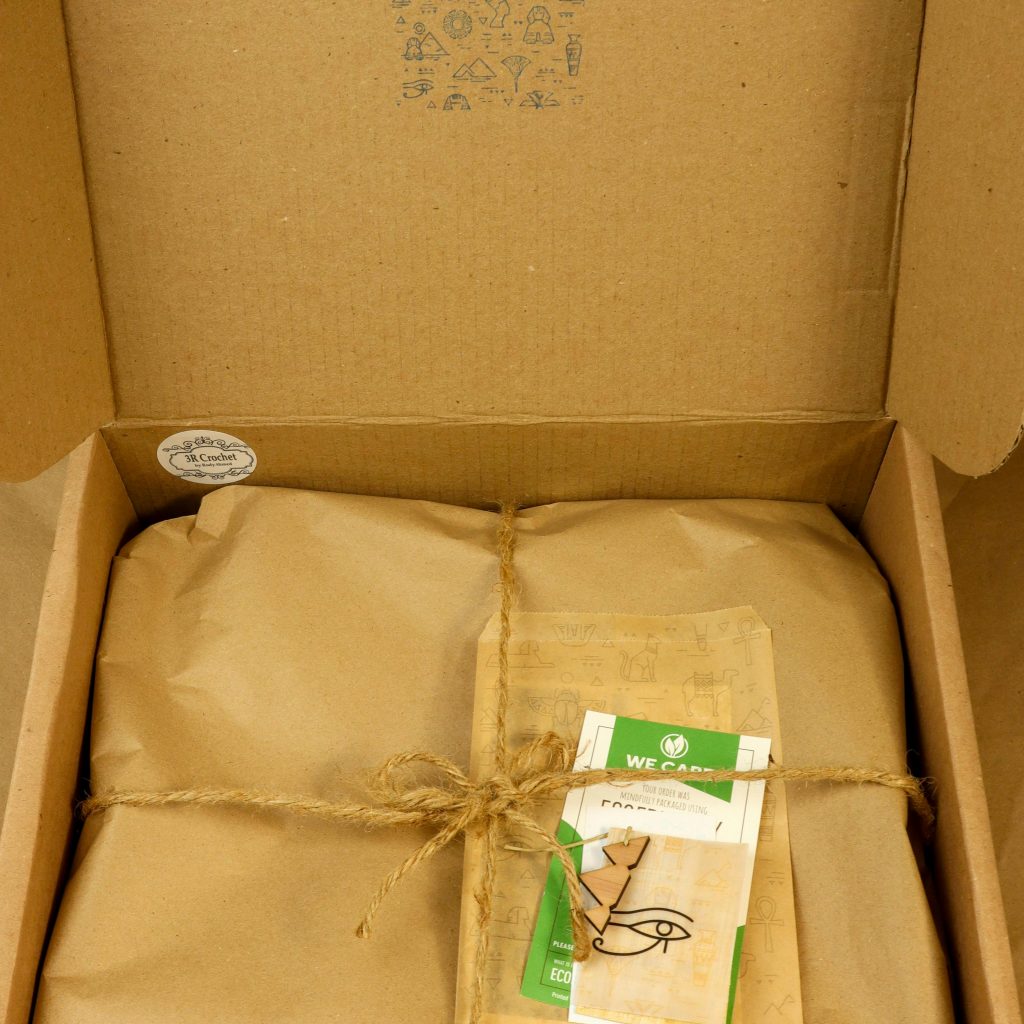
Most customers never see what happens after they click “buy,” so this kind of behind‑the‑scenes story feels satisfying and reassuring. When you walk them through each step, you turn a simple transaction into a clear, human journey. It shows that you do not just take their money and vanish. You care about what happens between payment and delivery, and you put real effort into every order.
You can structure this content around a single order. Start with the order notification on your phone, tablet, or dashboard. Then show how you pick items from the shelf or prepare the service details. Share the packing stage, including how you fold, wrap, and protect products. Add the small personal touches you include, such as branded stickers, tissue paper, a handwritten thank‑you note, or a small bonus sample. End with the shipping moment, like printing the label, handing the parcel to a courier, or placing it on the counter at the post office.
A short case study makes this format even stronger. You might write about “How Sarah’s first order moved through our shop in one afternoon” and then describe each step without sharing any sensitive data. You can mention the product she chose, how you prepared it, and how you made sure it arrived in great condition. This shows your process in action and gives future customers a clear picture of what they can expect.
Events, workshops, and collaborations

Events, workshops, and collaborations give you some of the richest behind‑the‑scenes content you can share. They show your brand in motion, not just on a screen. When you document the lead‑up, the live moments, and the wrap‑up, customers see how much work and care sit behind every appearance, pop‑up, or webinar. That story makes your offers feel more valuable and your brand more active and credible.
You can begin with simple preparation scenes. Show your planning board or notebook as you map out goals, topics, and checklists. Share quick shots of packing products, banners, cables, and props. Include screenshots of your slides or webinar platform if you run online events. Add a few travel or setup moments, like loading the car, walking into the venue, arranging chairs, or testing your camera and mic before you go live.
During the event, focus on human contact and real action. Capture you or your team setting up stands, arranging displays, greeting people, or running live demos. Include snippets of speaking, answering questions, or guiding participants through an activity. For online‑only brands, this might look like a screen with your slides, the chat area, your webcam, and a moment where you react to a live comment or question.
After the event, share a short wrap that closes the loop. Show packing down the stand, turning off lights, or closing your laptop at the end of a webinar. Add a simple reflection on what went well and what you learned. Mention which topic sparked the most questions or which product drew the most attention. These details help followers feel like they were there with you and build anticipation for your next event or collaboration.
Mistakes, fixes, and “lessons learned”

Every business makes mistakes, and your customers already know that. What surprises them is when a brand talks openly about a real challenge, explains what went wrong, and shows how they fixed it. When you share these “lessons learned” moments, you turn issues like delayed orders, a wrong design, or a low‑performing launch into proof that you take responsibility and improve.
You can build this kind of behind‑the‑scenes story around one clear example. Start with the situation in simple, honest language, such as a batch that shipped late or a campaign that did not get results. Then walk through what you did next, including how you apologized, how you made it right for affected customers, and which systems or checks you changed so it will not happen the same way again.
Close by explaining what customers can expect now, whether that is new timelines, clearer communication, or better quality control. This approach humanizes your brand and makes your behind‑the‑scenes content feel real, not staged, because people see both your flaws and your growth.
Progress updates and before‑and‑after stories

Progress updates and before‑and‑after stories turn your growth into clear, visual proof that you keep getting better. Customers love seeing transformations, whether they come from product redesigns, shop revamps, website makeovers, or client results. These “then vs now” moments show that you listen, learn, and invest in improvement instead of staying stuck in your first version. They also give you powerful, repeatable content that feels satisfying to watch.
You can build this kind of behind‑the‑scenes content around a single change. Show the “before” photo or screenshot, then the “after,” and explain the journey in between. Share why you decided to change, what feedback or data pushed you to act, and which specific parts you improved, such as packaging, layout, features, or service steps. Then explain how the new version helps customers more than the old one, whether that means clearer information, easier navigation, better comfort, or faster results.
Progress content also gives you a chance to involve your audience. You can invite readers to document their own progress, such as their first visit versus their latest visit, their first results versus where they are now, or their setup before and after using your product or service. Encourage them to share these transformations with a specific hashtag or by tagging your account so you can reshare them as social proof.
How to plan and repurpose BTS content
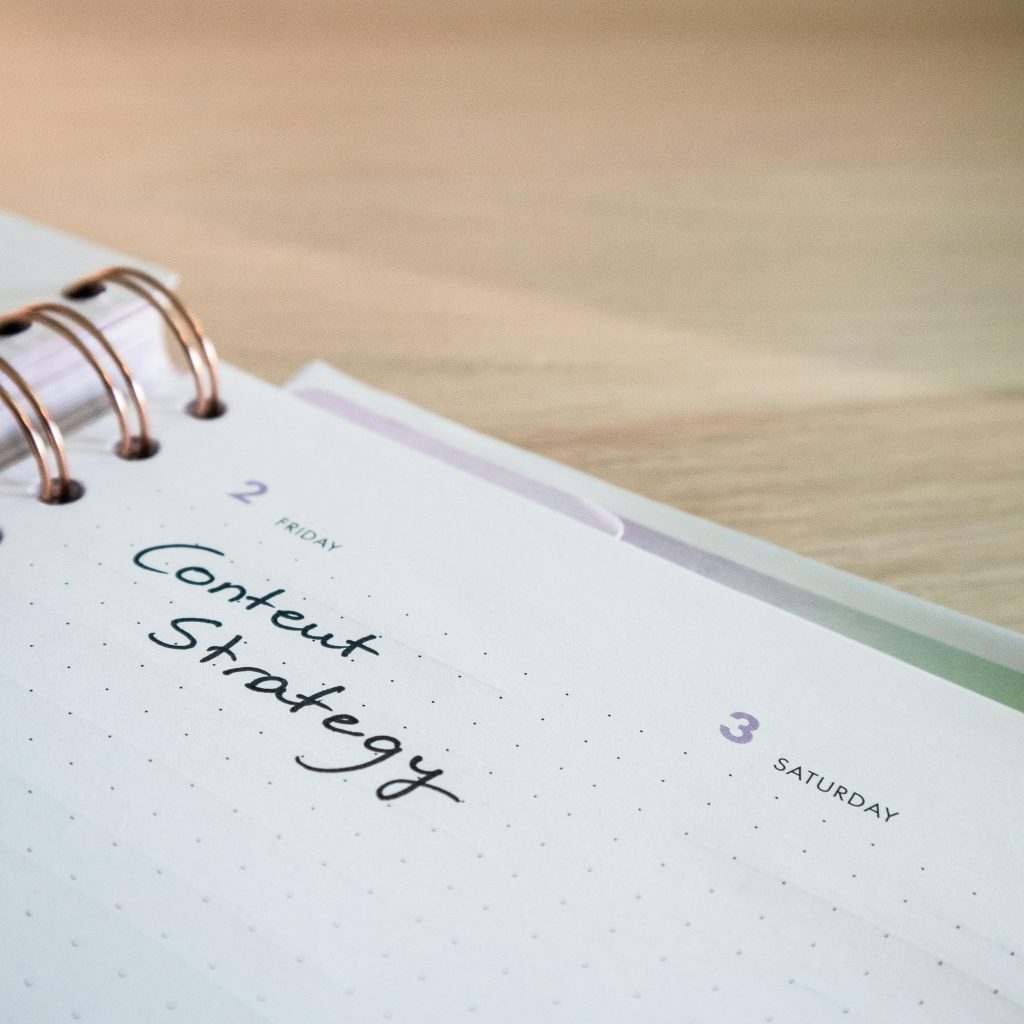
Behind‑the‑scenes content works best when you keep it focused and easy to repeat. Start by choosing two or three ideas from this list that fit how you actually work, such as “day in the life,” “employee spotlights,” or “product creation.”
Pick formats that feel natural for you and your team, so you can show up consistently without burning out. When your ideas match your real routines, you always have something to capture.
You can use a simple content plan that turns one behind‑the‑scenes moment into many pieces. Aim for one BTS blog post per month that goes deeper into a story or process. From that same shoot or workday, cut two to three Reels or TikToks that highlight short, interesting moments.
Then pull three to five photos or carousels from the same images or clips, which you can share on Instagram, Facebook, LinkedIn, or your email list. This way, a single “behind the scenes of our business” session fuels your content for weeks.
Safety and privacy matter when you share behind‑the‑scenes content. Avoid showing private data on screens, labels, or documents, such as addresses, phone numbers, or payment details. Do not reveal confidential client information, internal passwords, or sensitive financial numbers.
If you work with clients or partners, get their permission before sharing their face, name, or results, or blur anything that should stay private. When in doubt, crop closer, change angles, or shoot from behind.
Next steps:
- Pick two or three BTS ideas that feel easy to capture in your daily work.
- Block one short session this month to film and photograph a real workflow from start to finish.
- Turn that material into one blog post, a few short videos, and a small folder of reusable photos.
- Create a simple checklist for what you never show (screens, documents, private areas) and share it with your team.
Conclusion
Behind‑the‑scenes content helps people trust you because they can see the humans, effort, and care behind every product or service. It builds connection and often leads to higher engagement, since followers feel like insiders instead of strangers watching polished ads. You do not need a studio, fancy equipment, or perfect scripts. You only need honest moments from your real workday and the courage to share them.
Start small and pick just one idea to try this week, such as an employee spotlight, a “day in the life,” or a simple order‑to‑delivery story. Then notice how your audience responds when they finally see what happens off camera.
Which behind‑the‑scenes idea would you try first?