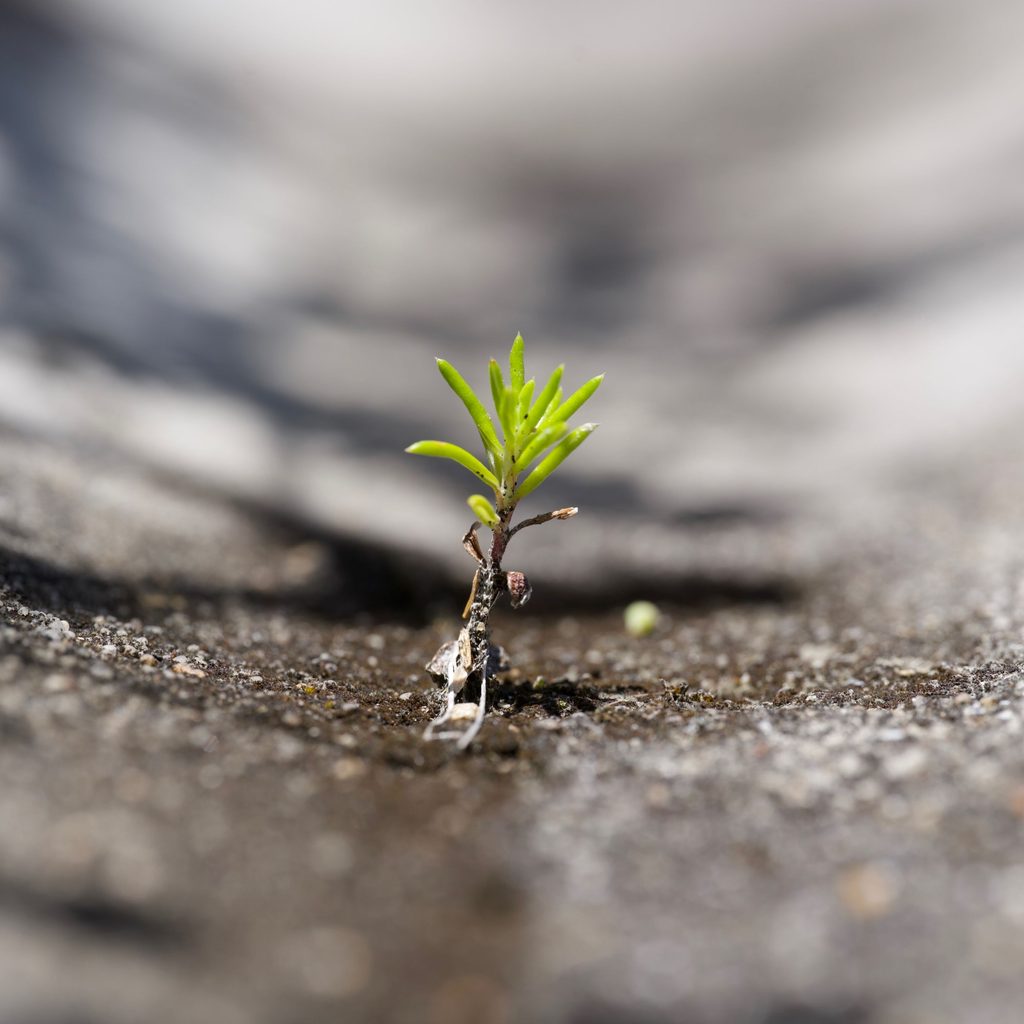
That gap between hard work and visible proof can feel discouraging fast. You put in real effort this week, yet when you look around, nothing seems to have changed. Social media does not help either, because it often makes other people’s progress look instant and effortless. Meanwhile, your own growth happens quietly, almost invisibly, in a way that is easy to dismiss. A tiny improvement today might feel pointless on its own. However, repeated improvements, stacked over weeks and months, can completely change where you end up. Progress does not always mean reaching some dramatic milestone either. Sometimes it simply means finishing one task, learning one new skill, or choosing not to give up on a hard day. That is the heart of this article: small progress matters because almost every meaningful result gets built through repeated small actions, not sudden leaps. Let’s walk through ten reasons why your small steps deserve far more credit than you are giving them.
1. Small Progress Builds Momentum
Starting something new is often the hardest part of the entire process. Once you take that first small step, though, continuing becomes noticeably easier. Think about what momentum actually means here. It is the sense of motion that carries you from one action into the next, almost automatically. Completing a small task now can quietly reduce the urge to procrastinate later. Writing just one page of a book feels manageable, unlike staring down an entire manuscript. Saving a small amount of money feels doable, unlike trying to save thousands overnight. The same goes for exercising for fifteen minutes, applying for one job, or studying a single topic. Each of these actions seems small on its own. Yet one completed task tends to pull you toward the next one, almost like gravity. You do not need to feel deeply motivated every single day to keep this cycle going. Instead, you simply need to take the next small action, even when enthusiasm is nowhere to be found. Because once you start moving, moving again becomes far easier than standing still ever was.
2. It Keeps You Moving Forward
Sometimes progress simply means you have not stopped. There is a real difference between slow progress and no progress at all, even though the two can feel similar in frustrating moments. You might take longer than expected to reach a goal while still genuinely moving toward it. Comparing your timeline to someone else’s rarely helps, because circumstances differ wildly between people. One person might have more time, fewer obligations, or different starting resources than you do.
So instead of measuring your pace against theirs, measure it against your own history. Taking one course at a time still counts as building an education. Growing a business gradually still counts as building something real. Improving your health one habit at a time still counts as genuine transformation. Learning a new profession one skill at a time still counts as career growth. None of these examples look fast from the outside, yet all of them represent continued movement. Slowing down does not automatically mean failing, no matter how loud that fear gets sometimes. Continuing matters most precisely when results refuse to show themselves right away.
3. Small Wins Build Confidence
Confidence rarely comes from positive thinking alone. Instead, it tends to grow through actual experience and evidence of what you can do. Psychologist Albert Bandura called this concept self-efficacy, describing it as your belief in your own ability to handle a specific task. His research found that small successes, what he called mastery experiences, build this belief more powerfully than almost anything else, including encouragement from other people. Completing small tasks gives you proof, not just hope, that you are capable of taking action.
That proof tends to make the next difficult task feel less frightening than it once did. Picture someone speaking up in a meeting for the first time or finishing their very first freelance project. Picture someone exercising consistently for one full week or finally learning a skill that once felt impossible. Each of these moments becomes evidence, stacking quietly in the background of your mind. Therefore, try recording or acknowledging your progress instead of letting it slip by unnoticed. Confidence rarely arrives from waiting around for one big achievement. It builds steadily, one small accomplishment at a time.
4. Progress Helps You See What Works
Not every attempt produces the result you were hoping for, and that is perfectly normal. Small progress, even imperfect progress, hands you useful information about your own methods. Adjusting your approach based on that information often matters more than the original plan itself. A disappointing result does not have to represent defeat. Instead, treat it as feedback pointing you toward a better strategy. Someone trying different study methods eventually discovers which one actually helps them retain information.
Someone testing different business strategies eventually finds the offer that resonates with customers. Changing a workout routine reveals which exercises your body responds to best. Experimenting with different content formats shows which ones your audience actually engages with. Adjusting a daily schedule reveals when you truly do your best work. Measuring these small changes over time reveals patterns that a single attempt never could. So ask yourself a few honest questions along the way. What worked? Write down things that clearly did not work. What needs to change, and what deserves to continue exactly as it is? Progress, even the slow kind, does more than move you forward. It teaches you how to move forward more effectively next time.
5. Small Steps Make Big Goals Manageable
Major goals can feel impossible the moment you picture the entire journey at once. Starting a business, earning a degree, or building real savings can all seem overwhelming from the starting line. Breaking that big goal into smaller, specific actions changes everything about how approachable it feels. Losing weight becomes less intimidating when you focus on one healthier meal today. Learning a new language becomes manageable when you focus on ten new words this week.
Finding a new career becomes realistic when you focus on one application or one conversation at a time. Instead of worrying about the entire road ahead, focus only on today’s useful task. That single shift in attention tends to reduce anxiety dramatically. Setting realistic daily or weekly targets keeps the goal connected to real, achievable action. Importantly, breaking a goal into smaller steps does not make that goal any less ambitious. It simply makes the path toward it far more walkable. You do not need to complete the entire journey today. You only need to take the next useful step in front of you right now.
6. It Creates Consistency
Occasional bursts of intense effort rarely outperform steady, repeated action over time. In fact, consistency usually proves far more sustainable than relying on motivation that comes and goes unpredictably. A person who reads ten pages daily often finishes more books than someone who reads in rare, exhausting marathons. Saving money regularly tends to build more wealth than saving occasionally in large, stressful chunks. Practicing a skill every single day compounds faster than practicing intensely once a month. Posting content consistently builds more trust with an audience than posting sporadically ever could.
Studying for a set amount of time daily beats cramming the night before almost every time. Importantly, consistency does not require perfection to actually work. Missing one day does not erase the progress you already made before it. The real danger lies in treating one missed day as permission to abandon the entire routine. Instead, simply return to it tomorrow, without guilt or drama attached. Consistency, built through repeated small actions, eventually turns into lasting, durable change.
7. Small Progress Can Compound Over Time
A single small improvement rarely looks impressive by itself. However, repeated improvements accumulate in ways that often surprise people later on. Just a few minutes of practice each day can add up to many hours across several months. Small, regular savings can accumulate into a meaningful financial cushion over time. Consistent learning, even in short daily sessions, can build a genuinely substantial knowledge base. Regular networking, even just one conversation at a time, can eventually open doors you never expected.
People tend to underestimate what repeated actions can produce, mostly because the daily version looks so unremarkable. Nobody gets excited about fifteen minutes of practice on any single day. Yet stretched across a year, those minutes become something entirely different. This process does require patience, because compounding rarely shows dramatic results early on. The growth stays quiet for a while before it suddenly becomes obvious. Trust that a small action, repeated consistently and given enough time, can eventually produce a result that looks far bigger than the single action that created it.
8. It Helps You Recover From Setbacks
Everyone experiences setbacks eventually, no matter how disciplined or prepared they seem. A setback does not erase everything you accomplished before it happened, even though it might feel that way in the moment. Focusing on one small, manageable action often helps you restart after a disappointment far more than trying to leap back to full speed immediately. Returning to studying after failing an exam becomes possible one review session at a time. Restarting a fitness routine becomes possible with one short workout, not an ambitious comeback plan.
Applying for another job after rejection becomes possible with one updated resume and one new application. Returning to a project after a long break becomes possible by opening the file and making one small edit. The dangerous thought to avoid is believing you have already failed, so continuing no longer matters. That belief convinces people to quit entirely, rather than simply adjusting course. Instead, focus on what you can still do today, right now, regardless of what happened yesterday. A setback may interrupt your progress, but it never has to become the end of your journey.
9. Progress Is Evidence That You Are Learning
Growth does not always show up as an external achievement you can point to. Often, the biggest changes happen internally, quietly, without any obvious milestone attached to them. You might understand something now that genuinely confused you just months earlier, and you might handle a difficult situation differently than you would have handled it before. You might make fewer mistakes than you used to, or notice problems earlier than you once could. These shifts show up in communication, at work, in education, in relationships, and in personal discipline.
A person who once avoided conflict might now address it calmly and directly. A student who once struggled with a subject might now explain it clearly to someone else. Because learning deserves to count as progress, even when no trophy or certificate marks the moment. So take time to notice what you know now that you did not know before. If you are learning, adapting, and genuinely improving, you are already making progress, even while the final result still feels far away.
10. Small Progress Keeps Your Long-Term Vision Alive
Big goals can lose their emotional pull when results take far longer than you originally expected. Small actions, taken consistently, remind you that the goal still genuinely matters to you. Every small step reinforces your commitment, even on days when motivation feels completely absent. Remembering why you started in the first place helps that commitment stay rooted during slow stretches. Your vision might simply take longer than you first imagined, and that alone does not mean it was wrong.
Adjusting your strategy along the way does not mean abandoning the larger purpose behind it. There is a real difference between changing your method and giving up on your goal entirely. A career goal might require a different path than originally planned, while the underlying ambition stays intact. A financial goal might require a slower pace, while the destination remains exactly the same. A health goal might require gentler steps, while the commitment behind it never wavers. Small progress, repeated consistently, keeps your future goal tightly connected to what you actually do today.
Keep Going, One Small Step at a Time
People often dismiss their own progress simply because it does not look impressive from the outside. But small progress builds momentum, keeps you moving, and builds genuine confidence along the way. It shows you what works, makes enormous goals manageable, and creates the kind of consistency that lasts. It compounds quietly over time, helps you recover when setbacks hit, and proves that you are learning even when results stay hidden. Most importantly, it keeps your long term vision alive, even through the slowest, quietest stretches of the journey.
You do not need to transform your entire life overnight to make real progress. Focus instead on the next meaningful action sitting right in front of you. Measure yourself against where you started, not against someone else’s highlight reel. Recognize the improvements that feel too small to celebrate, because those are often the ones that matter most. Keep taking practical steps, even when the results refuse to show themselves right away. Big changes almost always come from small actions, repeated patiently and consistently, long after anyone else is paying attention.
Recommended Reading: How to Overcome Fear of Failure