You were probably told that this is the year to do more, move faster, and finally catch up. The pressure is loud: new goals, new routines, new hustle. Yet deep down, a quieter truth keeps whispering that you are tired.
What if the most powerful thing you do for your future this year is not another goal, but learning how to rest?
In a culture that measures worth by output, choosing real rest can feel lazy or selfish. In reality, it is one of the most strategic, productive choices you can make for your mind, your body, and your long‑term success.
You Are Not a Machine to Be Optimized
Somewhere along the way, many people started treating their lives like software. Every day needs an upgrade. Every hour should be maximized. Any moment not filled with visible progress feels like a personal failure. The message is simple: if you are not producing, you are falling behind.
But you are not an app. You are a human being with a nervous system, emotions, limits, and needs. Machines are designed to run nonstop until they break. Humans are designed for rhythm: work and rest, effort and recovery, inhale and exhale.
Toxic productivity tells you to override that design. It praises all‑nighters, glorifies burnout, and treats exhaustion like a badge of honor. It convinces you that rest is something you have to earn, instead of a basic requirement for a healthy life.
If that story has not made you happier, healthier, or more present in your own life, it is time to question it.
Real productivity is not about squeezing more tasks into a day. It is about having the clarity, focus, and energy to do what actually matters. Without rest, those three things slowly disappear. With rest, they return.
Recommended Reading: Burnout Recovery Plan: Starting Fresh in 2026

The Science of Rest: Why It Makes You More Productive
Rest is not the opposite of productivity. It is the fuel that makes real productivity possible. When you ignore that, your body and brain keep the score, whether you admit it or not.
Rest Refuels Your Brain
Your brain consumes a significant portion of your daily energy. When you push without breaks, your ability to focus, remember details, and make good decisions slowly declines. Studies show that strategic breaks and quality sleep improve concentration, learning, and problem‑solving, because your brain consolidates information and clears out “mental waste” during downtime.
That is why tasks that feel impossible at midnight can feel simple after a night of sleep or a real pause.
Rest Boosts Creativity
Have you noticed how your best ideas arrive in the shower, on a walk, or when you finally step away from your screen? That is not an accident. When you stop forcing your brain to focus, a different network in the brain switches on and connects ideas in new ways. Creative professionals are now encouraged to schedule non‑work time for this reason: rest keeps imagination alive and prevents creative burnout.
Recommended Reading: The Importance of Rest for Sustaining Creativity
In a world that rewards original thinking, rest is not a luxury. It is part of the creative process.
Rest Protects You From Burnout
Burnout does not usually appear overnight. It builds slowly when you stay in a constant state of stress without enough recovery. Over time, you feel more exhausted, more detached, and less effective, even if you are working more hours than ever.
Regular rest interrupts that spiral. Short breaks in your day, real evenings off, and weekly rhythms of recovery lower stress hormones, support your immune system, and restore your emotional balance. That means fewer mistakes, more patience, and a steadier version of you—at work and at home.
When you understand this science, rest stops look like doing nothing. It becomes a powerful and intentional choice to protect your energy, creativity, and future.

Rest vs. Numbing
Many people say they “rest” but still wake up tired, flat, and overwhelmed. The problem is often this: they are numbing, not truly resting.
Numbing looks like endless scrolling, binge‑watching until 2 a.m., or constantly distracting yourself so you do not have to feel or think. It gives quick relief in the moment, but it rarely restores your energy. You might feel even more drained, guilty, or disconnected afterward.
Real rest, on the other hand, leaves you feeling a little more present, a little more human, and a little more grounded. It might not feel as dramatic, but it quietly fills your emotional, mental, and physical tank instead of just helping you escape for a while.
Recommended Reading: Gentle Self-Care Rituals
Three Questions to Ask: Is This Rest or Escape?
Before you call something “rest,” pause and ask yourself:
- Does this give me energy, or steal it?
If you feel heavier, foggier, or more irritable afterward, it is probably numbing. - Do I feel more present after, or more disconnected?
True rest helps you come back to your life with clearer eyes. Numbing makes you want to run away again. - Am I facing my life, or avoiding it?
Rest cares for you so you can face what is real. Numbing lets everything pile up behind a closed door.
You do not need to feel ashamed if you have been numbing. It is often a sign that you have been running on empty for too long. The good news is that you can start shifting, one small choice at a time, from escape to restoration.

Build Your Personal Rest Menu
You cannot copy someone else’s self‑care routine and expect it to work the same way for you. Real rest is personal. It depends on your season of life, your body, your nervous system, and what genuinely makes you feel safe and restored.
A rest menu is a simple list of activities that reliably refill your energy. You can look at it on the days when you feel empty and do not know what you need. Instead of defaulting to your phone, you choose something from your menu on purpose.
Use these categories to build a balanced menu:
Physical Rest
- A 20‑minute nap
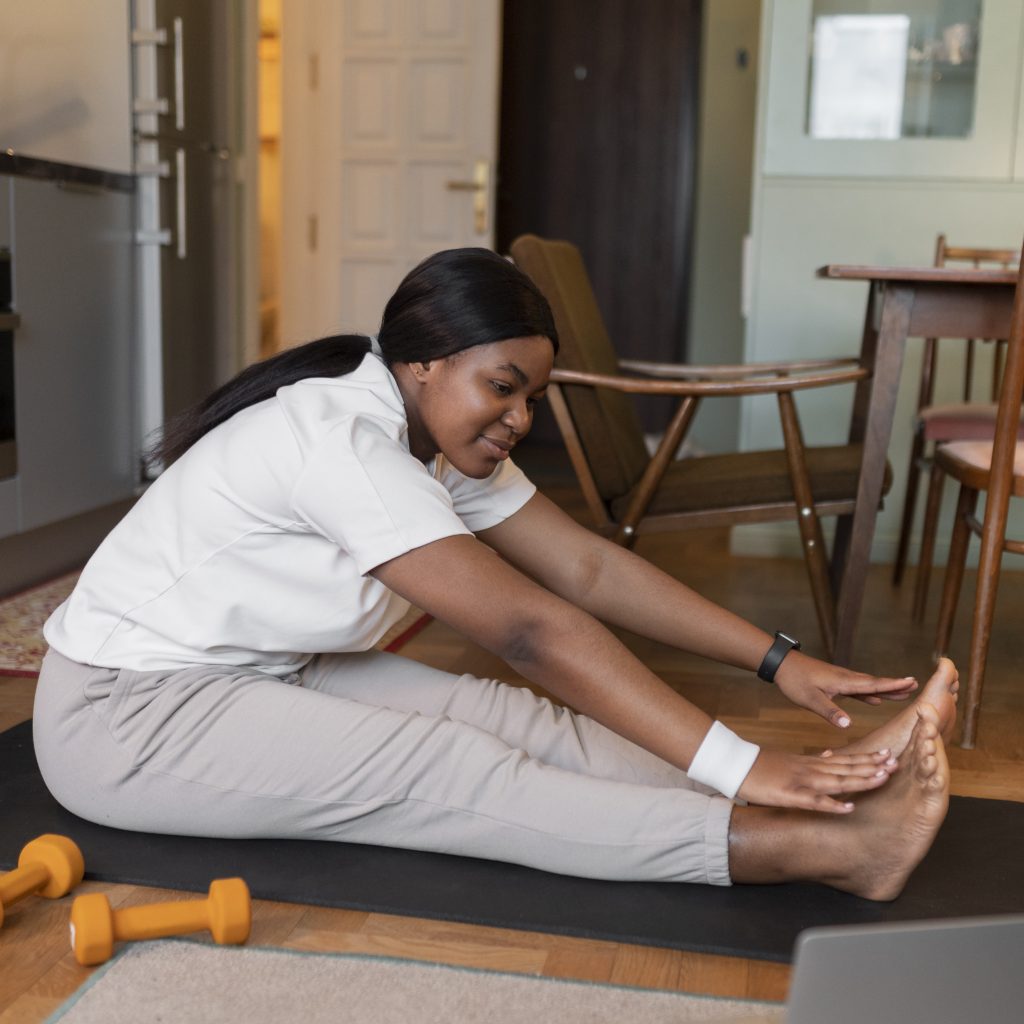
- Gentle stretching before bed
- A slow walk without checking your phone
- Going to bed 30 minutes earlier than usual
Mental Rest
- Turning off notifications for one hour
- Sitting in silence for five minutes and focusing on your breathing
- Reading a few pages of a book that has nothing to do with work
- Doing a simple puzzle, coloring, or a calming game
Emotional Rest
- Talking honestly with a safe friend about how you feel
- Writing everything you are carrying in a journal and closing the notebook
- Praying, meditating, or practicing gratitude for three small things today
- Allowing yourself to cry without judging it
Creative or Spiritual Rest
- Drawing, painting, or doodling with no goal
- Listening to music with your eyes closed
- Sitting outside and paying attention to the sky, trees, or street sounds
- Attending a service, gathering, or quiet space that nourishes your soul
A Sample 10‑Item Rest Menu
You can adapt this to your life:
- Put my phone in another room and make a cup of tea.
- Take a 15‑minute walk and notice five beautiful things.
- Do 10 minutes of yoga video.
- Read 10 pages of a book just for fun.
- Journal three pages about what is on my mind.
- Call or voice‑note a friend I trust.
- Listen to calming music while lying down with my eyes closed.
- Light a candle, take five deep breaths, and sit quietly for five minutes.
- Write down three things I am grateful for today.
- Take a tech‑free bath or long shower and move slowly.
Circle three that feel easiest for you. Those are your go‑to rest choices for busy days. Later, add three more that feel uniquely yours, based on what truly leaves you feeling more alive, not more drained.
The goal is not to perform self‑care. The goal is to create a gentle, reliable way back to yourself.
How to Rest Without Guilt
Knowing that rest is good for you is one thing. Allowing yourself to actually rest without feeling guilty is another. Many people carry an unspoken belief that their worth is tied to how much they achieve in a day.
When you pause, uncomfortable thoughts often show up:
- “If I stop, I will fall behind.”
- “Other people are working harder than me.”
- “I have not done enough to deserve a break.”
These beliefs are shaped by hustle culture, not by truth. Research on burnout and mental health shows that constantly pushing through fatigue leads to mistakes, health problems, and emotional numbness, not a better life. Rest is not what ruins your progress. It is what allows you to sustain it.
You can begin to trade those old beliefs for new, healthier ones. For example:
- “Rest is a requirement, not a reward.”
- “My value is not measured by my productivity today.”
- “Taking a break now helps me show up better later.”
- “Resting is doing something important for my body and mind.”
When guilt appears, notice it and practice replacing it with one of these new sentences. Over time, your nervous system learns that rest is safe.

Micro‑Practices for Guilt Moments
In the exact moment you feel guilty for resting, try:
- Take five slow breaths and repeat, “Resting is doing something.”
- Set a 15‑ or 20‑minute timer for intentional rest so your brain knows there is a clear boundary.
- Remind yourself of one time you rested and then handled a situation better afterward.
- Choose one item from your rest menu and commit to it fully, without multitasking.
You are not lazy for needing rest. You are human. The goal is not to eliminate all guilt overnight, but to choose what is healthy even while the guilt still talks.
Read This: Six Mental Health Resolutions Worth Setting for 2026