
You eat, you sleep, you try to live your best life. So why do you always feel bloated, worn out, or just… off? The answer might be hiding right inside your gut.
Your gut does far more than digest food. It controls your immunity, your mood, your energy, and even the quality of your sleep. In fact, scientists now call the gut your “second brain” because of how deeply it connects to every system in your body. So when your gut is struggling, your whole body feels it.
The good news? Once you recognize the signs, fixing your gut health is absolutely possible. Let us get into it.
What Exactly Is Gut Health?

Your gut is home to trillions of bacteria, fungi, and microorganisms that form what scientists call the gut microbiome. These tiny living things break down your food, absorb nutrients, fight off harmful bacteria, and send signals to your brain.
When your gut microbiome stays balanced, you feel energetic, focused, and well. However, when that balance breaks down, a condition researchers call “gut dysbiosis,” your body starts sending out distress signals.
Gut dysbiosis links to conditions like IBS, GERD, autoimmune disorders, mood disturbances, and even skin problems. Research from the National Institutes of Health confirms that gut microbiome imbalances significantly impact both physical and mental health.
10 Signs Your Gut Health Is Poor
1. You Feel Bloated After Almost Every Meal

Occasional bloating is normal. Constant bloating after meals is not. Bloating happens when excess gas builds up in your gastrointestinal tract, making your belly feel tight, full, and uncomfortable.
This issue often points to an imbalance in gut bacteria. Your gut struggles to properly break down and process the food you eat, so it compensates by producing excessive gas. According to HealthHero, digestive issues like bloating, heartburn, and constipation are among the most direct early signs of an unhealthy gut.
If you notice such symptoms happening consistently after meals, pay close attention to the other signs below.
2. You Visit the Bathroom Too Often or Not Enough

Constipation and diarrhea both point to gut trouble. Neither is your body’s ideal rhythm. Gut dysbiosis directly disrupts how smoothly your digestive system moves waste through your body.
Research suggests that targeting gut dysbiosis through probiotics, prebiotics, and dietary changes significantly helps treat chronic constipation. Similarly, frequent loose stools or urgency indicate that your microbiome needs rebalancing as well.
3. You Feel Exhausted Even After a Full Night of Sleep

This one surprises most people. Poor gut health directly connects to fatigue and brain fog. When your gut fails to absorb nutrients properly, your body runs low on the fuel it needs to function.
Furthermore, about 90% of your body’s serotonin, the chemical that regulates mood and sleep, is actually produced inside your gut. So when your gut struggles, your sleep quality drops, and your energy takes a serious hit.
4. You Experience Mood Swings, Anxiety, or Brain Fog

Have you been feeling anxious, irritable, or mentally cloudy without a clear reason? Your gut health could be the culprit. The gut and brain communicate through a direct pathway called the gut-brain axis.
An imbalanced gut microbiome sends distress signals to your brain, contributing to anxiety, mood swings, and difficulty concentrating. Research published on PubMed confirms that gastrointestinal symptoms and mental health are closely and bidirectionally linked. Simply put, a sick gut often creates a stressed mind.
5. Your Skin Keeps Breaking Out

What you put on your skin doesn’t always cause acne, eczema, rosacea, and unexplained skin rashes. Often, they start with what’s happening inside your gut.
Inflammation in an unhealthy gut can trigger immune responses that appear on your skin. HealthHero notes that skin irritation is one of the 12 key signs of poor gut health, as gut bacteria imbalance fuels systemic inflammation that the skin eventually reflects.
6. You Have Constant Sugar Cravings

Here is an interesting one. Your gut bacteria actually influence the cravings you feel. When harmful bacteria overpopulate your gut, they thrive on sugar and processed foods, and they essentially push you to feed them more of it.
Meridian Healthcare explains that an unhealthy microbiome leads to intense cravings for processed, sugary foods, which further disrupts the balance of good bacteria and spikes your blood sugar. Breaking this cycle starts with healing the gut first.
7. You Keep Getting Sick

Do you catch every cold that goes around? Your gut might be the weak link. Roughly 70% of your immune system lives in your gut.
When gut bacteria go out of balance, your immune defenses weaken significantly. HealthHero confirms that frequent infections and illnesses are a clear sign of gut imbalance. A healthy, diverse gut microbiome acts as your body’s frontline defense against illness.
8. You Deal with Persistent Bad Breath

You brush regularly, use mouthwash, and still struggle with bad breath. That can genuinely frustrate anyone. However, persistent halitosis often traces back to bacterial imbalances deep in your digestive system.
GutCare also notes that bad breath, alongside bloating and upset stomachs, is one of the earliest and often overlooked signs of poor gut health. Healing your gut from the inside can solve what no amount of mouthwash ever will.
9. You Experience Unexplained Weight Changes
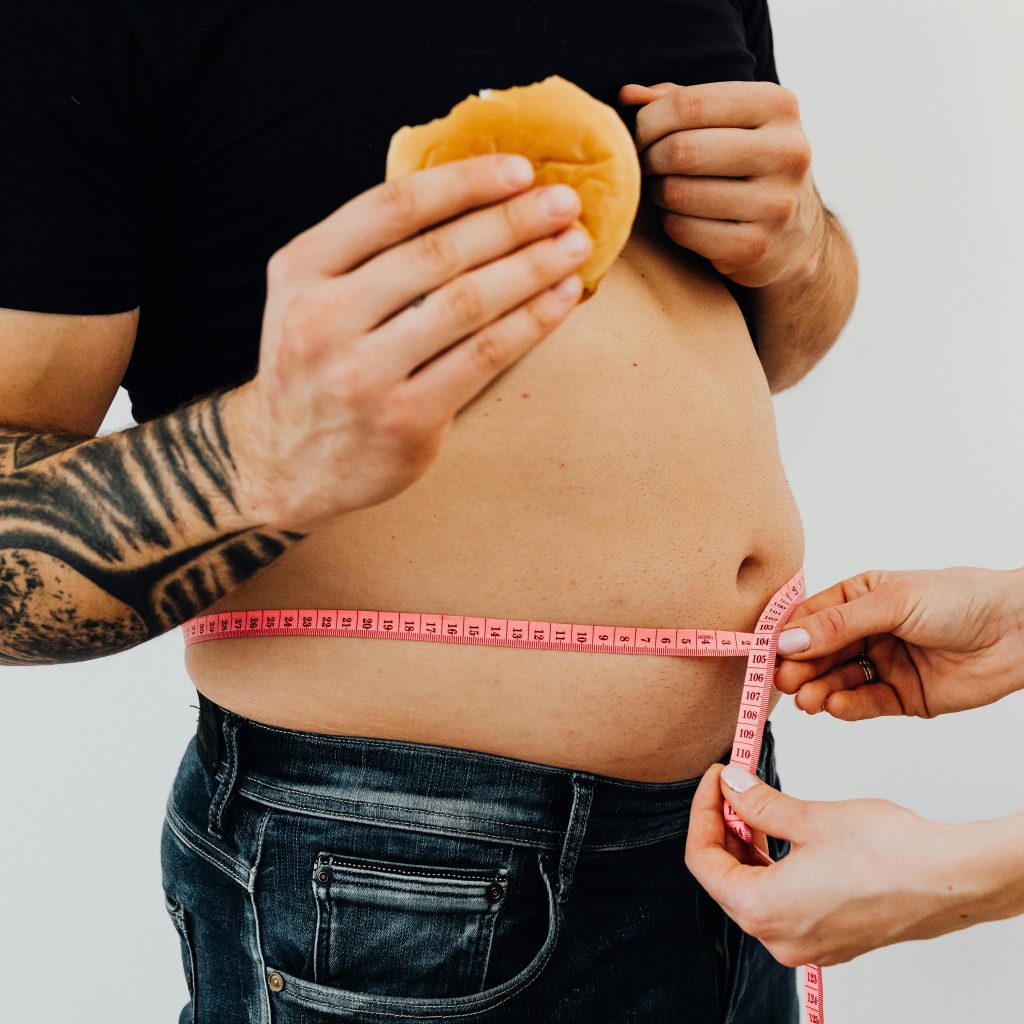
Gaining or losing weight without changing your diet or exercise habits is a serious signal. Your gut microbiome plays a direct role in how your body stores fat, regulates metabolism, and absorbs calories.
When your gut falls out of balance, it disrupts these processes and causes your weight to shift without explanation. According to HealthHero, sudden unintentional weight changes are among the key signs of poor gut function. Therefore, the scale might actually be telling you to check your gut, not just your calories.
10. You Have Food Sensitivities That Keep Growing

A few years ago, you could eat anything. Now, suddenly, dairy bloats you, gluten makes you cramp, and eggs upset your stomach. Sound familiar?
Poor gut microbiome quality makes it increasingly difficult for your body to properly digest certain foods. Food sensitivities that develop or worsen over time are one of the most common and telling signs of an unhealthy gut. Fortunately, rebuilding your microbiome can often reduce these sensitivities over time.
How to Fix Your Gut Health Starting Today

Great news: your gut is remarkably resilient. It responds quickly to positive changes, and science has mapped out exactly what works. Here are the most effective strategies to restore your gut health.
Eat More Fiber Every Single Day
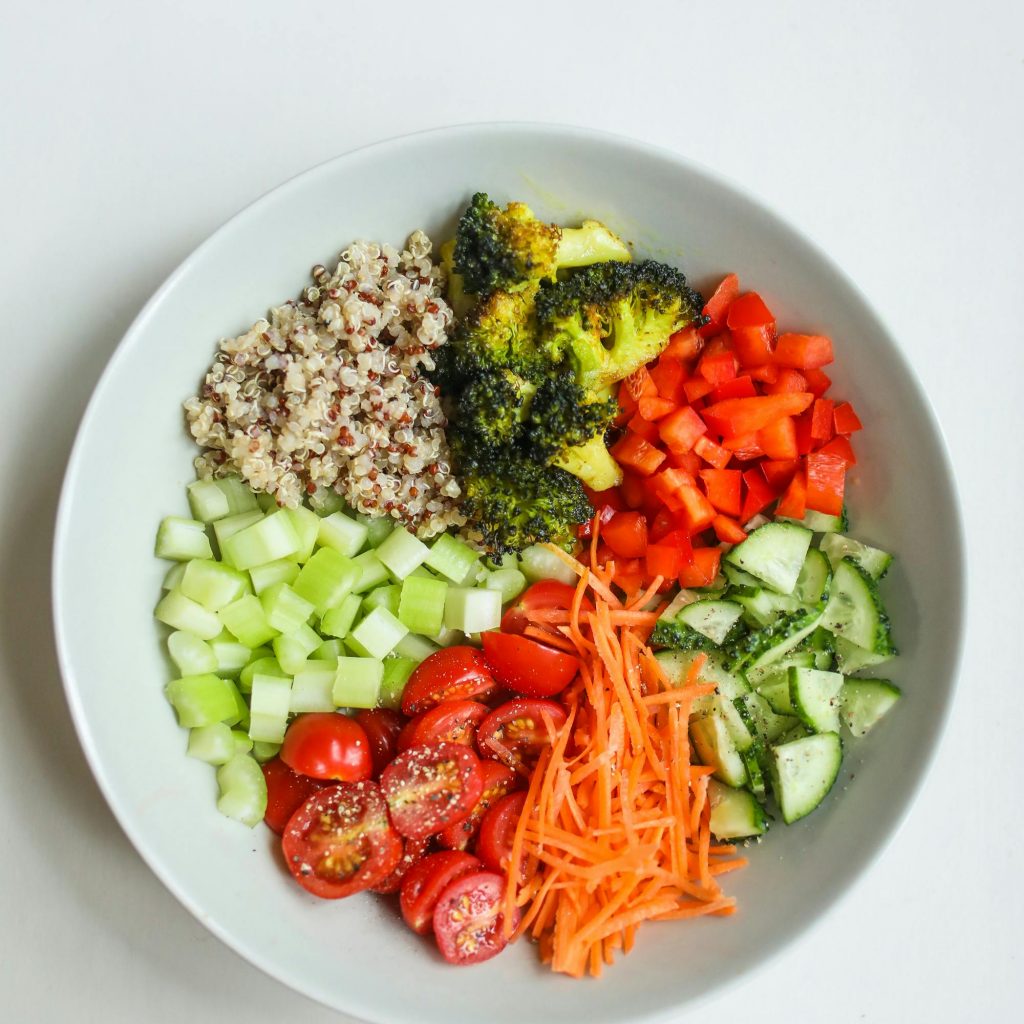
Fiber is essentially food for the good bacteria that live in your gut. Eating plenty of fiber is associated with greater microbial diversity, reduced inflammation, and a lower risk of conditions like Crohn’s disease and chronic constipation.
Harvard Health recommends increasing fiber intake as the first and most impactful step to improving gut health. Great fiber sources include leafy greens, beans, lentils, oats, and fruits like apples and bananas.
Add Fermented Foods to Your Diet

Fermented foods carry live bacteria that actively support your gut microbiome. These include natural yogurt, kefir, kimchi, sauerkraut, miso, tempeh, and kombucha.
ZOE Science confirms that probiotic fermented foods may increase the diversity of gut bacteria and support overall gut health. Even adding one or two servings of fermented foods daily can begin to shift your microbiome in a positive direction.
Aim for 30 Different Plant Foods Each Week

This strategy sounds ambitious, but it actually becomes fun once you start. Professor Tim Spector, ZOE’s scientific co-founder, recommends eating 30 different plant foods weekly to maximize gut microbiome diversity.
You do not need to overhaul your diet overnight. Simply swap your usual snacks for nuts, seeds, or fresh fruit. Add a new vegetable to your meals each week. Eat the rainbow, because variety is genuinely medicine for your gut.
Cut Back on Sugar and Ultra-Processed Foods

Sugar and processed foods feed harmful bacteria and starve the good ones. The Canadian Digestive Health Foundation strongly advises cutting sugar and processed foods as a core strategy for strengthening your microbiome.
Moreover, food additives found in ultra-processed products can directly damage gut bacteria diversity. Replacing processed snacks with whole foods is one of the simplest and most powerful moves you can make for your gut.
Manage Your Stress Levels

Stress is not just a mental health issue. Chronic stress disrupts the gut-brain axis and throws your microbiome into disarray. University of Utah Health confirms that managing stress is a critical step in improving gut health.
Simple daily habits like walking, journaling, deep breathing, or short meditation sessions actively reduce the stress hormones that damage your gut lining. Even 10 minutes of intentional calm each day begins to make a measurable difference.
Stay Hydrated Throughout the Day

Water keeps everything moving. Proper hydration supports your gut lining, helps fiber do its job, and improves the overall movement of food through your digestive system.
University of Utah Health recommends consistent daily hydration as a simple but highly effective strategy for gut health. Aim for at least 8 glasses of water daily, and increase this amount on days when you exercise or spend time in the heat.
Exercise Regularly

Moving your body does more than burn calories. Regular physical activity directly increases gut bacteria diversity and reduces gut inflammation. University of Utah Health recommends at least 150 minutes of moderate physical activity weekly for meaningful gut health benefits.
A simple 30-minute walk five days a week qualifies. Consequently, your gut benefits just as much as your heart and muscles do from regular exercise.
Prioritize Quality Sleep

Sleep and gut health create a two-way relationship. Poor gut health disrupts your sleep, and poor sleep, in turn, further damages your gut microbiome.
ZOE Science highlights sleep as one of the 16 science-backed methods for improving gut health. Aim for 7 to 9 hours of quality sleep nightly. Create a consistent bedtime routine, reduce screen time before bed, and watch both your gut and your mood transform over time.
When Should You See a Doctor?

While lifestyle changes work wonders, some symptoms require professional attention. See a doctor if you experience rectal bleeding, severe abdominal pain, unexplained dramatic weight loss, or symptoms that persist for more than a few weeks despite dietary changes.
Conditions like IBS, IBD, celiac disease, and GERD need proper medical diagnosis and management. Always treat your gut health seriously and do not delay getting professional advice when your body signals that something deeper is wrong.
Your Gut Is Talking. Are You Listening?

Your gut sends you messages every single day. Bloating, fatigue, skin flares, mood dips, and constant cravings are not random inconveniences. They are your body asking for help.
The beautiful truth is that healing your gut is completely within your reach. Start with one change today. Add more fiber to your breakfast. Swap a sugary snack for a handful of nuts. Sleep an extra 30 minutes tonight. Small steps compound into a massive transformation.
Your gut has been working hard for you every day of your life. It is time to start working just as hard for it.