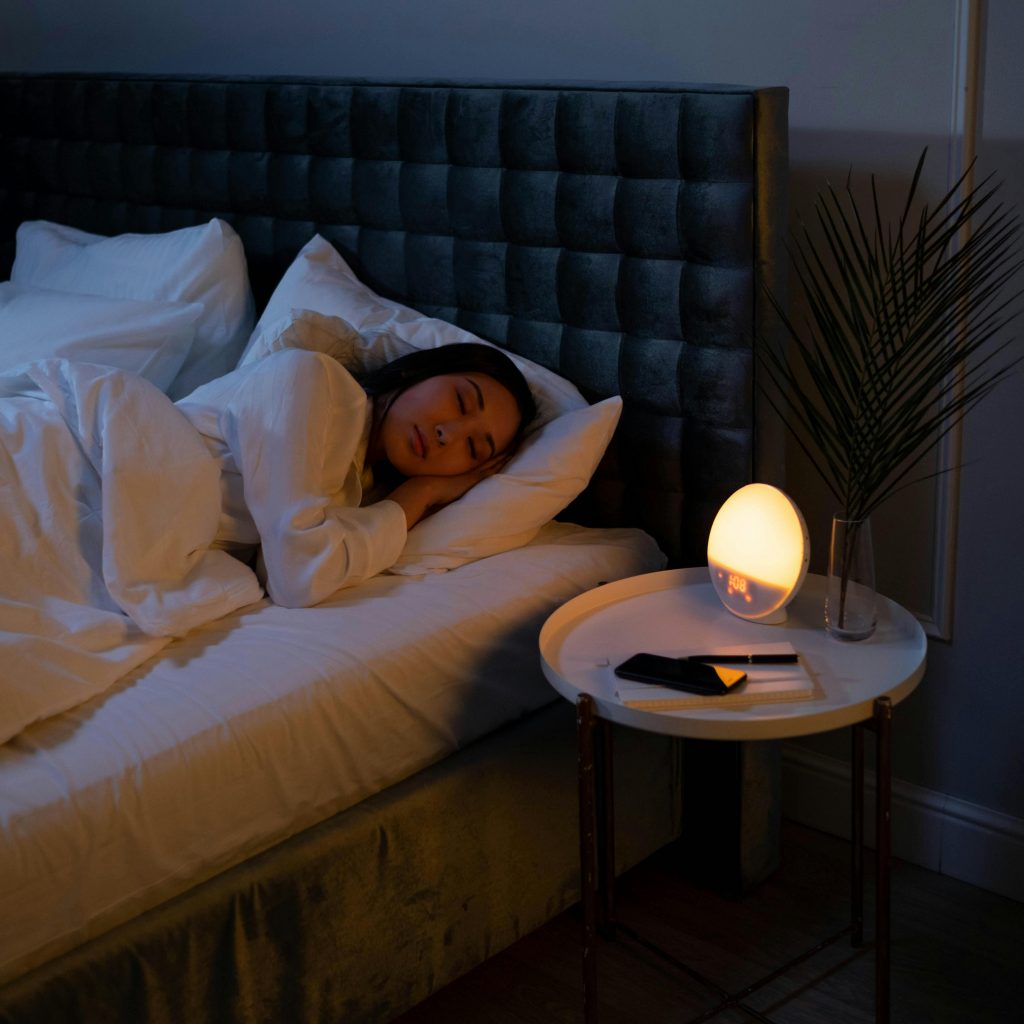
Here is a number that should make you sit up straighter: over one-third of American adults regularly sleep less than the recommended 7 hours per night, according to the CDC. That adds up to roughly 83.6 million people dragging themselves through each day on empty. If you have ever stared at the ceiling at 2 AM, convinced your brain has officially broken, welcome to a very large club.
Sleep is not simply rest. It is the body’s most powerful biological restoration system. During sleep, your brain flushes out toxins, your cells repair themselves, your memories consolidate, and your hormones reset for the next day. Miss enough of it, and the consequences stack up fast: cognitive decline, weight gain, weakened immunity, and a higher risk of heart disease and depression.
The good news? You do not need a prescription to fix this. Science has already done the work. Grounded in real research, these 10 science-backed ways to improve sleep are all actionable today.
Why Sleep Science Actually Matters
Your brain cycles through two major types of sleep: REM (Rapid Eye Movement) and non-REM sleep. Non-REM sleep includes deep, slow-wave sleep where physical restoration happens, and REM sleep is where emotional processing and memory consolidation take place. A full night of quality sleep cycles through these stages four to six times.
Quantity alone, however, does not tell the whole story. Disrupted cycles can leave you feeling exhausted even after spending eight hours in bed. Alcohol, stress, screen time, and irregular schedules all fragment these cycles and rob you of the deep, restorative stages your body desperately needs.
Now, let us get into the strategies that will actually change things.
Tip 1: Stick to a Consistent Sleep Schedule
Your body runs on an internal clock called the circadian rhythm. This biological timekeeper controls when you feel sleepy, when you feel alert, and when your body temperature drops to prepare for sleep. When you go to bed at 11 PM on Monday and 2 AM on Friday, you confuse that clock completely. Research links irregular sleep schedules to mood disorders, metabolic dysfunction, and increased risk of obesity.
The fix is wonderfully simple. Pick a bedtime and a wake time, and commit to them every day, including weekends. Yes, even Saturday. Your circadian rhythm does not take days off, and neither should you. Within a week of consistency, most people notice that falling asleep becomes dramatically easier.
Action step: Set both a bedtime alarm and a wake alarm on your phone. Treat your bedtime like a meeting you cannot cancel.
Tip 2: Optimize Your Sleep Environment
Think of your bedroom as a cave. The ideal sleep cave is cool, dark, and quiet. Research consistently points to a bedroom temperature between 65 and 68 degrees Fahrenheit (18 to 20 degrees Celsius) as the sweet spot for deep sleep. Your core body temperature naturally drops as you fall asleep, and a cool room accelerates that process.
Light and noise are the two biggest silent sleep thieves in modern bedrooms. Blackout curtains block streetlights and early morning sun. A white noise machine or a simple fan drowns out traffic, neighbor sounds, and other disturbances. Declutter your bedroom, too. A chaotic space signals a busy mind, and a busy mind does not sleep well.
Action step: Tonight, lower your thermostat, hang blackout curtains or use a sleep mask, and try a free white noise app like Calm or Brain.fm.
Tip 3: Limit Blue Light Exposure Before Bed
Your phone, tablet, and laptop all emit blue light, and that light is doing something sneaky to your brain. Blue light suppresses melatonin, the hormone that signals to your body that it is time to sleep. Harvard researchers compared 6.5 hours of blue light exposure to green light exposure and found that blue light suppressed melatonin for twice as long and shifted circadian rhythms by a full 3 hours.
That means scrolling Instagram at 10 PM is essentially telling your brain it is 7 PM. No wonder you cannot fall asleep.
Action step: Set a screen curfew 1 to 2 hours before bed. Enable Night Mode on all your devices. If you must use screens, invest in blue-light-blocking glasses. Your future well-rested self will thank you.
Tip 4: Watch What You Eat and Drink
Caffeine has a half-life of roughly 5 to 6 hours. That means that the afternoon coffee you grabbed at 3 PM still has half its caffeine circulating in your bloodstream at 9 PM. Many people assume they metabolize caffeine quickly, but for most adults, a coffee after 2 PM genuinely disrupts sleep architecture even when they manage to fall asleep.
Alcohol creates a second trap. Many people use it as a sleep aid because it makes falling asleep easier. The problem is that alcohol destroys REM sleep, the stage responsible for emotional regulation and memory. You wake up groggy, irritable, and unrested even after a full eight hours. Late-night heavy meals also spike your metabolism and core body temperature right when both need to be dropping.
Action step: Cut off caffeine by 2 PM. Finish your last big meal at least 3 hours before bed. If you want a nighttime drink, herbal chamomile or tart cherry juice are research-supported, sleep-friendly options.
Tip 5: Exercise Regularly — But Time It Right
Regular physical activity is one of the most powerful natural sleep remedies available to you. Research published in PMC confirms that aerobic exercise directly increases slow-wave sleep (SWS), the deepest and most restorative stage. Aiming for at least 150 minutes of moderate aerobic exercise per week, such as walking, cycling, or swimming, significantly improves overall sleep quality.
Timing matters, though. Vigorous exercise within 2 hours of bedtime can raise your core temperature and cortisol levels, making it harder to fall asleep. Morning and afternoon workouts are where the magic happens for sleep. You burn energy, reduce stress hormones, and set your body up for a deeper, longer night of rest.
Action step: Schedule at least 30 minutes of moderate exercise five days a week. Morning walks, lunchtime cycling, or afternoon gym sessions all count. Avoid intense workouts after 8 PM.
Tip 6: Manage Stress and Anxiety
Cortisol is the stress hormone, and it is essentially the biological opposite of melatonin. When cortisol stays elevated into the evening because of work worries, financial stress, or endless news scrolling, your brain stays in alert mode. Sleep becomes a battle you cannot win.
Cognitive Behavioral Therapy for Insomnia (CBT-I) is the gold standard clinical treatment for chronic insomnia, and it outperforms sleep medications in long-term studies. But you do not need a therapist to benefit from its core techniques. Journaling before bed offloads your mental to-do list onto paper. The 4-7-8 breathing technique (inhale for 4 counts, hold for 7, exhale for 8) activates your parasympathetic nervous system and lowers your heart rate within minutes. Meditation apps like Insight Timer or Headspace offer guided wind-down sessions specifically built for sleep.
Action step: Choose one stress-reduction tool tonight. Journal for 5 minutes, try one round of 4-7-8 breathing, or use a guided meditation before bed. Consistency matters far more than perfection here.
Tip 7: Limit Naps (Or Take Them Strategically)
Naps are not the enemy of good sleep. Poorly timed, too-long naps are. A well-placed short nap can restore alertness, boost mood, and improve performance without touching your nighttime sleep drive. The problem starts when naps extend beyond 30 minutes or happen too late in the afternoon. Long naps push you into deeper sleep stages, causing that groggy, disoriented feeling called sleep inertia. Late naps also reduce your sleep pressure, the biological buildup of sleepiness that makes falling asleep at night easy and natural.
Research points to 10 to 20 minutes as the ideal nap length, taken before 3 PM. This so-called “power nap” restores energy without disrupting your evening sleep cycle.
Action step: If you need to nap, set a timer for 20 minutes and keep it before 3 PM. If you struggle with nighttime sleep, skip naps entirely for two weeks and observe the difference.
Tip 8: Get Morning Sunlight Exposure
Here is a sleep tip that starts the moment you wake up. Stepping outside into natural morning light within 30 to 60 minutes of waking triggers one of the most powerful signals your circadian clock receives all day. Morning sunlight exposure resets your brain’s master clock (the suprachiasmatic nucleus), triggers a serotonin surge, and sets a timer for melatonin production roughly 12 to 16 hours later.
A 2025 study published in PMC found that every 30-minute increment of morning sunlight before 10 AM was associated with a 23-minute improvement in the midpoint of sleep, a key marker of sleep quality. That means a simple morning walk does double duty: it boosts your mood today and improves your sleep tonight.
Action step: Spend 10 to 30 minutes outside each morning without sunglasses. Cloudy days still count. Drink your morning coffee on the porch or walk to check your mailbox. Your brain will register the light even on overcast mornings.
Tip 9: Avoid Lying in Bed Awake
This one feels counterintuitive, but it is backed by solid science. When you lie in bed staring at the ceiling, tossing and turning, and willing yourself to sleep, your brain learns a damaging association: bed equals frustration and wakefulness. Over time, just getting into bed triggers anxiety, which makes falling asleep even harder.
Sleep restriction therapy and stimulus control therapy, both core components of CBT-I, address this directly. The rule is straightforward: if you have been awake in bed for more than 20 minutes, get up. Go to a dim room and do something calm, like reading a physical book, gentle stretching, or listening to soft music. Return to bed only when you genuinely feel sleepy. This trains your brain to associate bed with sleep and sleep alone.
Action step: Tonight, give yourself permission to get out of bed if sleep does not come within 20 minutes. Keep the lights low, avoid screens, and return to bed when your eyes feel heavy.
Tip 10: Consider Natural Sleep Supplements (With Caution)
The supplement aisle is full of bold promises. A handful of them, however, have real research behind them. Melatonin is the most widely used, and low doses (0.5 to 1 mg) work well for resetting your circadian clock after jet lag or shifting schedules. It is not a sedative, though. It signals your brain that it is time to sleep rather than forcing sleep.
Magnesium glycinate helps regulate GABA, the neurotransmitter that quiets nervous system activity before sleep. L-theanine, found naturally in green tea, promotes calm alertness and reduces anxiety without causing sedation. A 2022 PMC study found that Mg-L-theanine complexes increased slow-brain wave activity, enhanced GABA receptor expression, and improved both sleep latency and duration.
Note: Talk to your doctor before adding any supplement. Avoid high doses and long-term melatonin use without medical guidance.
Building Your Personal Sleep Routine
Knowing the tips is one thing. Turning them into a nightly ritual is where real transformation happens. You do not need to implement all 10 strategies at once. Pick three, build them into a 60-minute wind-down routine, and add more over time.
Here is a sample routine to get you started:
- 9:00 PM: Dim all lights in your home and put your phone on Do Not Disturb
- 9:10 PM: Make herbal tea and do a 5-minute brain dump in your journal
- 9:30 PM: Read a physical book (not a screen) for 20 to 30 minutes
- 9:50 PM: Practice 4-7-8 breathing or a 10-minute guided meditation
- 10:00 PM: Lights out in a cool, dark, quiet room
Consistency matters far more than perfection. Missing one night does not break the habit. Showing up most nights does.
When to See a Doctor
Sometimes poor sleep is a sign of something that needs professional attention. Watch for these warning signs:
- Loud snoring, gasping, or pausing in breath during sleep (possible sleep apnea)
- An uncontrollable urge to move your legs at night (possible restless leg syndrome)
- Taking longer than 30 minutes to fall asleep most nights for 3 or more months (insomnia disorder)
- Extreme daytime drowsiness that interferes with daily function
Do not self-diagnose. A sleep specialist can conduct a sleep study (polysomnography) to identify what is truly going on beneath the surface. The right diagnosis leads to the right treatment, and real, lasting relief.
Small Changes. Transformational Sleep.
The science is clear: better sleep does not require a complete life overhaul. It requires small, deliberate, consistent changes, applied night after night. Fix your schedule. Cool your room. Step outside in the morning. Put the phone down an hour earlier. These actions are simple, free, and backed by decades of research.
Your brain, your heart, your immune system, and your mood are all downstream of your sleep quality. Investing in how you sleep is quite literally investing in every other area of your life.
All 10 Tips at a Glance
| # | Tip | Key Action |
|---|---|---|
| 1 | Consistent sleep schedule | Same bedtime and wake time every day |
| 2 | Optimize your environment | 65-68°F, blackout curtains, white noise |
| 3 | Limit blue light | Screen curfew 1-2 hours before bed |
| 4 | Watch food and drink | No caffeine after 2 PM, no heavy meals 3 hrs before bed |
| 5 | Exercise regularly | 150 min/week, avoid vigorous workouts 2 hrs before bed |
| 6 | Manage stress | Journaling, 4-7-8 breathing, CBT-I techniques |
| 7 | Strategic napping | 10-20 min max, before 3 PM only |
| 8 | Morning sunlight | 10-30 min outdoor light within an hour of waking |
| 9 | Get out of bed if awake | Leave bed after 20 min of wakefulness |
| 10 | Natural supplements | Low-dose melatonin, magnesium glycinate, L-theanine (doctor-approved) |
Which tip are you starting with tonight? Drop it in the comments below. And if you found this helpful, you should also see this: How to stop overthinking at night and finally sleep better