You know that thing where you grab your phone “for 5 minutes,” and suddenly it is 2 a.m., your eyes are burning, and you have somehow reached your ex’s cousin’s wedding photos from 2017? That is not just vibes or boredom. Heavy phone and social media use can hit your mood, your focus, and your sleep in very real ways. In this article, I break down what science says in normal English, how to know when it is becoming a problem, and small changes that actually help.
What do we mean by phone and social media addiction?
Doctors do not give everyone a formal diagnosis called “phone addiction,” but researchers often use terms like “problematic smartphone use” and “problematic social media use.” They use these terms when phone or social media habits start to cause real trouble in daily life, not just “I like my phone a lot.” Studies show that higher “smartphone addiction” scores tend to go together with more depression, anxiety, stress, and lower life satisfaction, especially in young people and students.
Recommended Reading: The Relation between Social Media and Health
It can look very normal from the outside. You scroll even when you do not want to. Restless, low, or “empty” feelings show up when you stay away from your phone, even for a short time. Sometimes, you may even lie about how much you use it or tilt and hide your screen. Your phone use gets in the way of sleep, school, work, or relationships, but you still keep going.
One review of recent research found that people who scored higher on smartphone addiction scales often reported more symptoms of anxiety and depression, and they were less happy with their lives overall. That does not mean the phone is the only cause, but it is clearly part of the mix for many people. So if your thumb knows the TikTok swipe motion better than your own signature, you may be drifting into the “problematic use” zone.
How phone and social media use affect your mood
Heavy phone and social media use can change the way you feel day to day. Several studies and reviews link more screen time, especially on social apps, with higher levels of depression, anxiety, loneliness, and lower self‑esteem, particularly in teenagers and young adults. Researchers also find that people who use social media in a more compulsive way often report more negative emotions and more stress in general.
One large study on students in 2025 showed a clear pattern. The students who scored higher on “smartphone addiction” scales reported more negative emotions like sadness, worry, and irritability. Those same negative emotions were strongly linked with lower life satisfaction, so the phone habits and low mood seemed to move together. That does not prove the phone causes every feeling, but it shows that heavy, uncontrolled use often goes hand in hand with feeling worse about life.
Social media can hurt mood in a few specific ways. Constant comparison can make you feel “less than,” even if you know people only post their best moments. Cyberbullying and online drama can increase fear and shame. Chasing likes and comments can also turn normal posting into a stressful “performance.” At the same time, some people genuinely feel better when they find support groups, safe communities, or trusted friends online, so the effect is not always negative.
A simple way to think about it: social media is like jollof. It is amazing in moderation. If you eat the whole pot alone at 2 a.m., you will not feel great. The goal is not to delete every app forever but to make sure your screen time lifts your mood more often than it drags it down.

Focus and productivity—why you can’t finish a simple task
Your phone trains your brain. Every ping, like, and new video gives you a tiny hit of excitement. After a while, your brain starts to expect new stimulation every few seconds. A long, quiet task like reading or writing then feels painful.
Constant app switching also tires your mind. You jump from WhatsApp to TikTok, then to Instagram and email. Your brain keeps changing direction, so it works harder, but gets less done. Many studies link heavy smartphone use with more mental exhaustion and more trouble staying focused. You may feel “tired but wired” and still keep scrolling.
Deep focus works like a muscle. When you rarely use it, it gets weak. That is why you sometimes read the same paragraph three times and still do not remember it. Your brain has learned to expect a new notification, not a full page of text. The more you practice short, focused blocks without your phone, the more that “deep work” muscle grows again.
And be honest: if you opened Instagram, WhatsApp, TikTok, and Gmail in the last 10 minutes and cannot remember why you picked up your phone in the first place… It is not just you.
Why late‑night scrolling wrecks your rest
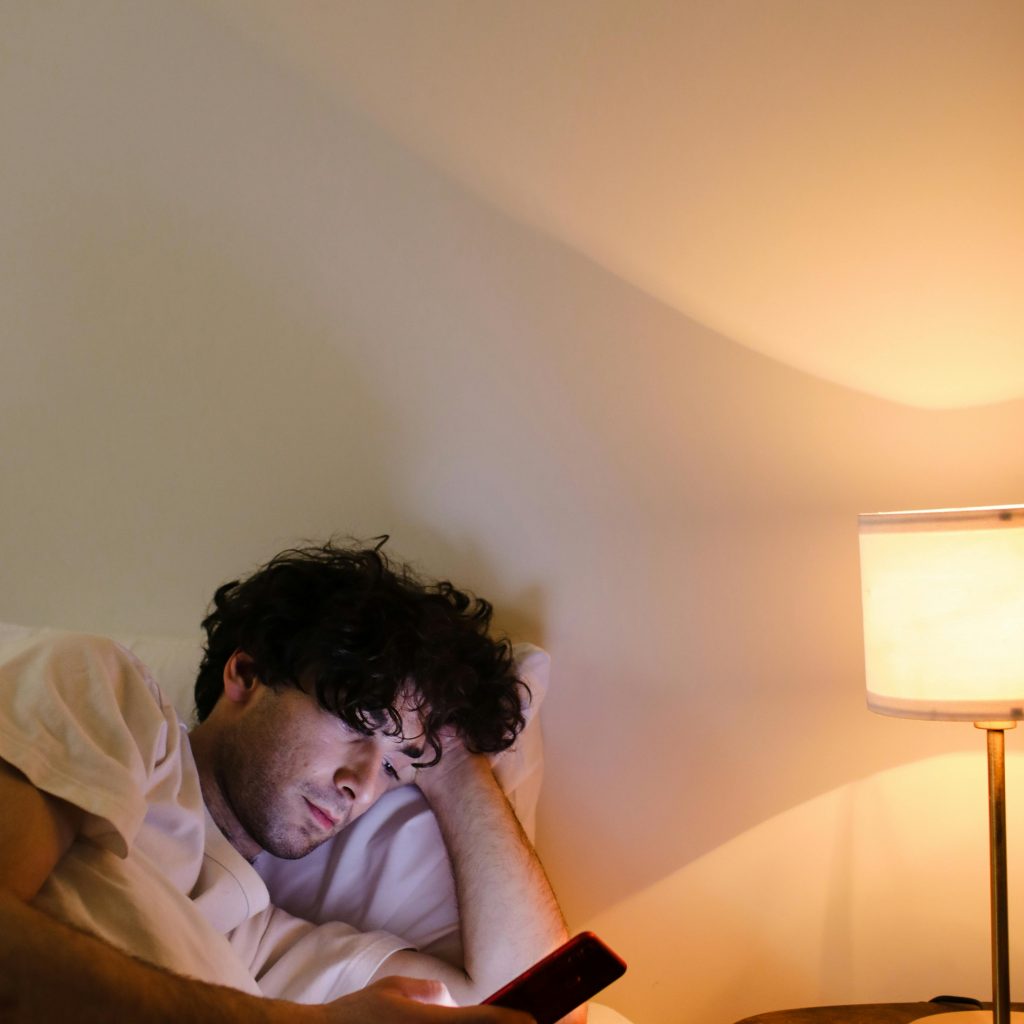
Late‑night scrolling does not just “relax” you. Studies link heavy social media use at night with longer time to fall asleep, shorter sleep, and poorer sleep quality. People who spend more time on their phones in bed often feel more tired, even if they think they slept for many hours.
Your screen also sends mixed signals to your brain. The blue light from phones and tablets can reduce melatonin, the hormone that helps your body know it is time to sleep. On top of that, the content itself can keep your mind busy. FOMO, drama in the comments, scary news, or even exciting videos can leave your brain feeling “wired,” not calm.
Poor sleep then hits every part of your life. Your mood drops, your focus gets worse, and your stress goes up. When you feel low and tired, you are more likely to escape back into your phone the next night. That creates a vicious cycle: bad sleep leads to more scrolling, and more scrolling leads to even worse sleep. Your bed should be for sleep, not for competing in the “World Scrolling Championship” every night.

When should you worry? Simple self‑check
Some habits are clear warning signs. You stay up late on your phone even when you feel very tired. You tell yourself, “just one more video,” then hate yourself in the morning because you feel broken and sleepy. This pattern keeps happening, even on nights when you need to wake up early.
Your feelings can also tell you something. Feeling anxious, low, or easily annoyed when you cannot check your phone is another sign. The urge to check continues even in risky or wrong places, like while crossing the road, in class, during meetings, or even in church. You know it is not safe or respectful, but you still do it.
Real‑life results matter too. Your grades or work start to drop. Friends or family complain that you never listen or that you always “live on your phone.” Your body may hurt: headaches, eye strain, neck pain, and sore fingers show up more often. You also notice you choose online chats and scrolling over real‑life time with people most of the time.
If you see yourself in most of these signs, and this has gone on for months, do not ignore it. That is your signal to take it seriously. A talk with a doctor, counsellor, or other mental health professional can help you understand what is going on and plan small steps to change it.
How to take back control
You do not need to throw your phone in the ocean. You just need a few clear rules that protect your time, your brain, and your sleep. Start small and be kind to yourself. This is a habit change, not a punishment.
Create a few “no‑phone zones.” For example, no phone at the dining table and no phone in bed for 30–60 minutes before sleep. Charge your phone away from the bed, not on the pillow next to your head. That one change can help your sleep and your mood.
Next, tame your notifications. Turn off nonessential alerts so your phone is not always shouting your name. Leave on calls and truly important apps only. Most social apps can wait. When your phone buzzes less, your brain starts to calm down.
Use the tools inside your phone. App limits, focus mode, and “do not disturb” can cap daily time on social apps and block alerts during study, work, or family time. Set a realistic limit first, not a perfect one. For example, cut from 5 hours to 3 hours a day, then adjust later.
You also need better “default” habits. Replace some scrolling time with things that actually relax you: reading, stretching, journaling, prayer or meditation, drawing, or calling a real friend. These activities give your brain rest instead of more noise. They also remind you that joy exists outside the screen.
Download new APA Social Media Guidelines for Teens
If you are a parent, expert groups like the American Psychological Association suggest balance, not just bans. They recommend setting time limits, checking what your child does online, and having open conversations about what they see and feel, rather than only blocking apps. Kids do better when they feel guided and supported, not just controlled.
Here is the funny but true part: you do not have to “break up” with your phone. You just need to stop letting it act like a toxic ex that controls your whole schedule. You stay the boss.

When to see a professional
Some signs mean you should not handle this alone. If you notice a low mood that will not lift, strong anxiety, panic attacks, or thoughts of harming yourself, please talk to a doctor, psychologist, or counsellor. If you have tried to cut back on your phone use many times and nothing changes, that is also a clear signal to get help.
You do not have to wait until everything “falls apart.” Many mental health professionals now offer online sessions, voice calls, or chat‑based support. That can feel easier than going to a clinic in person, especially at the start.
Remember this: asking for help does not mean you are weak. It means you are smart enough not to fight your brain alone. A good professional can help you understand what is going on and guide you toward small, realistic steps that fit your life.
Here is a tiny challenge for you: pick one “no‑phone zone” (for example, your bed or your dining table) and try it for the next 7 days. See how you feel at the end of the week.
If it helps, share this post with someone and ask them to do the challenge with you. Change feels easier (and more fun) when you are not doing it alone!