
People notice everything.
They notice when a brand posts a mental health quote on Instagram but treats its employees terribly behind closed doors. They notice when a company slaps a green ribbon on its product and calls it a wellness initiative. Consumers in 2026 are sharp, emotionally aware, and done with empty gestures.
Mental health values are no longer optional extras for forward-thinking brands. They are now the standard that every serious brand must meet. According to Attest’s 2026 U.S. consumer trends report, 25% of Americans list mental health as their top personal concern this year. That number places mental health above concerns about AI, immigration, and even climate change.
Should brands step up on mental health? U.S. consumers say yes
So the real question is not whether your brand should align with mental health values. The question is how to do it so authentically that consumers feel it in their bones.
This post walks you through five clear, powerful, and deeply human ways to make it happen.
Why Mental Health Values Matter to Brands Right Now

Consumers want brands to feel like trusted allies, not just transaction machines.
Research from Sortlist shows that 67% of Gen Z users expect brands to actively show sensitivity to mental health issues. Even more powerfully, Gen Z will pay 52% more for a brand that handles mental health responsibly. Those numbers tell a clear story about where consumer loyalty is heading.
Mental health now ranks first as the issue consumers most want brands to take a stand on, at 34%. That places it above racism at 22% and climate change at 18%, two topics that have dominated brand activism conversations for years. This shift is not subtle. It is a full cultural transformation.
Furthermore, 86% of consumers factor value alignment into their purchasing decisions. Brands that genuinely embrace mental health values gain something no ad campaign can manufacture. They earn trust.
The mental health industry itself is projected to reach a market value of 300 billion dollars, confirming that this is not a passing trend. It is the future of how people choose what they buy and who they buy it from.
1. Lead With Radical Honesty

Stop pretending everything is always perfect.
Brands that project flawless, high-energy, stress-free lifestyles are starting to feel exhausting. Consumers struggling with anxiety, burnout, or everyday overwhelm do not see themselves in those images. They scroll past and feel worse about themselves.
Radical honesty means your brand tells the truth. It means your copy says “we know this week has been hard” instead of “push through and win every single day.” Real language connects. Polished perfection pushes people away.
Headspace built its entire brand on this principle. Rather than promising to eliminate anxiety forever, Headspace positions itself as a steady daily companion on a long-term wellness journey. During the pandemic, it offered free subscriptions to millions of users who needed support. That single act of honest generosity created a wave of trust that marketing money cannot replicate.
Mintel confirms that brands must ensure their mental health efforts are genuine and strategically planned. Anything that feels forced or calculated invites immediate backlash, especially on social media, where consumers call out inauthenticity fast.
Therefore, honesty is not a soft strategy. It is your sharpest competitive edge.
Additionally, 46% of Gen Z users specifically prefer brands that stay realistic about what their products can actually deliver. Promise less. Deliver more. Watch loyalty grow.
2. Create Content That Educates and Comforts

Your content is the loudest voice your brand has. Use it wisely.
Brands that invest in mental health education through blogs, social media, videos, and newsletters position themselves as genuinely trustworthy resources. People return to sources that make them feel informed, safe, and seen. That loyalty compounds over time into real business results.
Think about this scenario. Someone sits down feeling overwhelmed after a brutal workweek. They find your brand’s blog post explaining why burnout happens and offering three simple ways to reset. You have just created a connection that no paid advertisement could ever buy.
Educational content builds credibility faster than promotional content. Consumers today research brands deeply before committing. They read, compare, and look for genuine signs that a brand understands what they are going through.
You also do not need to be a therapy brand to create mental health content. A skincare brand can explore how chronic stress affects skin health. A food company can write about the connection between gut health and mood. A fitness brand can cover the science of exercise and anxiety relief.
The golden rule here is relevance. Make sure your mental health content connects naturally to what your brand already does. Forced connections feel hollow and readers spot them immediately.
Collaborating with licensed mental health professionals to review your content adds a powerful layer of credibility. Only 23% of brands currently work with mental health experts on their content, while 40% of Gen Z users actively want brands to do this. That gap is your opportunity.
3. Build Communities, Not Just Customer Bases

People do not just want products. They want to belong somewhere.
Brands that build genuine communities around shared mental health experiences create something far more powerful than a customer base. They create movements. Members of those communities advocate loudly, stay loyal longer, and bring others in organically.
Maybelline’s Brave Together campaign is a masterclass in community building done right. The brand launched a platform offering free one-on-one mental health support, reaching 1.65 million individuals across 34 countries. Maybelline has committed 5 million dollars to mental health initiatives since 2020, with ongoing pledges to support millions more through the WHO Foundation. Beauty and mental wellness became one seamless brand identity.
Spotify took a different but equally brilliant approach. Their Take a Beat campaign encouraged users to take mindful pauses using curated playlists specifically designed to calm and uplift them. Music became a tool for mental wellness. Listeners felt that Spotify genuinely cared about how they felt, not just how many hours they streamed.
Building community means creating spaces where your audience feels safe to speak honestly. Online forums, private groups, comment sections with thoughtful moderation, and live events built around mental wellness all contribute to this feeling.
Moreover, Capgemini research confirms that 68% of consumers actively look to connect with brands that genuinely reflect their values. Community gives those shared values a home.
4. Back Your Words With Real Action
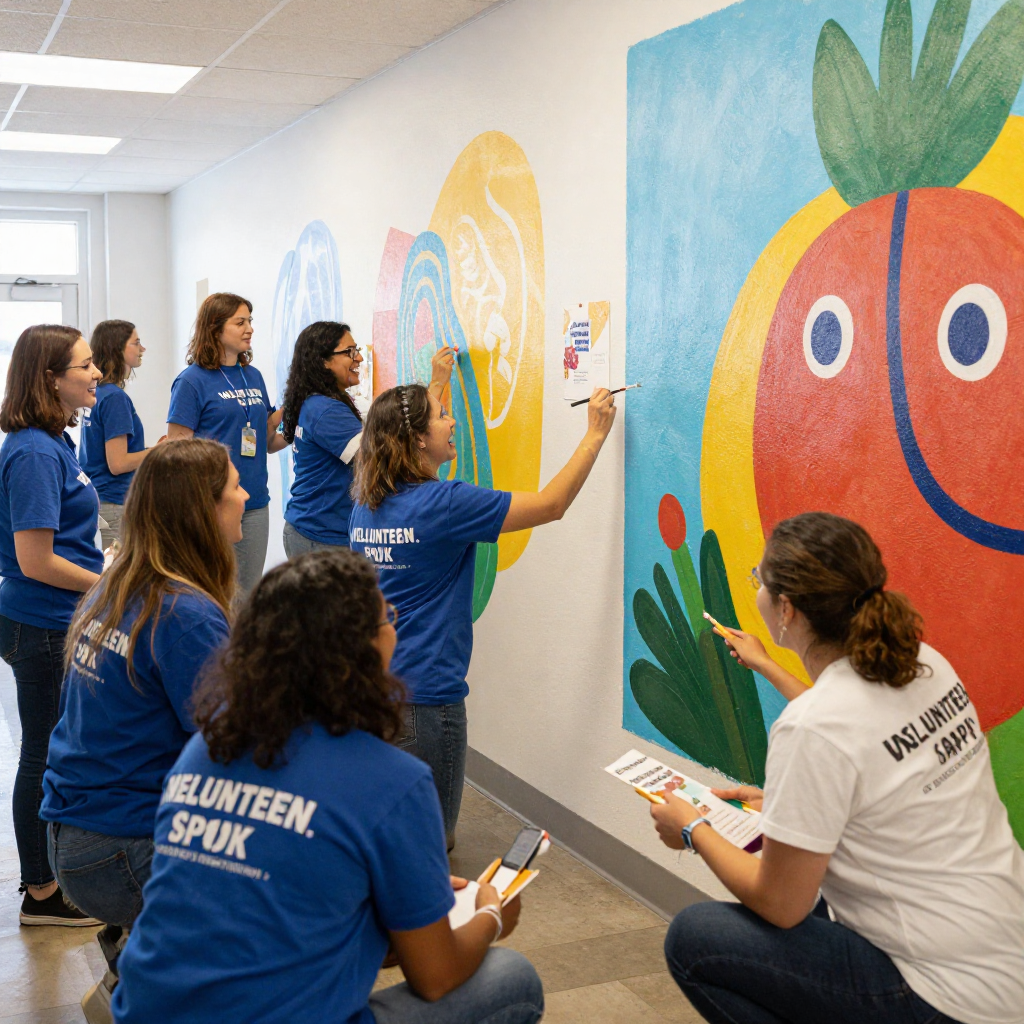
Talk is cheap. Actions speak directly to the heart.
Brands that publicly support mental health but do nothing concrete quickly become cautionary tales. Consumers research. They fact-check. They share what they find. A brand that says it cares but shows no evidence loses credibility fast and loses it loudly.
Real action looks like financial commitment. Kiehl’s donated $150,000 to the Aliney Center, a nonprofit that provides mental health services, food, medical care, and housing assistance to LGBTQIA+ youth, to support 2,200 young people through housing and development services. BONBONWHIMS created a jewelry collection in partnership with the Mental Health Coalition, donating 50% of net proceeds directly to the organization.
Beauty And Fashion Brands Supporting Mental Health
Real action also looks like internal change. Brands that offer mental health days, flexible working arrangements, and employee wellness programs walk the talk in the most visible way possible. Employees talk. When your team feels genuinely supported, that story spreads far beyond your marketing budget.
Ben & Jerry’s regularly speaks out on healthcare access and equity, aligning its advocacy directly with its longstanding brand values. The brand does not just sell ice cream. It uses every platform it has to fight for the things it claims to believe in. Consumers respect that deeply.
Sephora partnered with the Rare Impact Fund to expand youth access to mental health resources, blending beauty and well-being into one unified mission. That partnership gave consumers a clear, tangible reason to feel good about spending money with the brand.
So, before your brand posts another mental health awareness caption, ask one direct question. What concrete action is backing this up?
5. Make Safety the Core of every interaction

Safety is the new premium product.
Psychological safety means consumers feel they can engage with your brand without judgment, shame, or pressure. It means your marketing does not trigger insecurity, your customer service feels warm and human, and every touchpoint communicates one simple message. You are welcome here exactly as you are.
LUSH took one of the boldest safety-driven decisions of any brand in recent memory. They permanently withdrew from Instagram and TikTok in 2021, publicly citing the damaging mental health effects of those platforms on their customers. The decision cost them significant social media reach. It earned them enormous consumer respect.
So, brands can also embed safety into their content strategy by avoiding language that triggers comparison or inadequacy. Words like “fix,” “flawless,” “anti-aging,” and “correct” send subtle signals that something about the consumer is wrong. Replacing those words with language of care, comfort, and celebration shifts the entire emotional experience of interacting with your brand.
Research from Sortlist reveals that 1 in 3 brands currently fuel the Gen Z mental health crisis through their social media practices. That statistic demands serious reflection from every marketing team.
Making safety core to your brand means reviewing every campaign, every caption, every image, and every call to action through one filter. Does this make our audience feel better or worse about themselves?
Pink Moon skincare does this beautifully. The brand promotes self-care and positive mental health through its entire product line, donating 1% of revenue to mental health organizations. The brand voice consistently communicates care over performance, rest over hustle, and self-compassion over perfection.
Start Today, Not Tomorrow

Mental health values are not a marketing campaign. They are a commitment.
So, embracing these five values honestly and consistently will build something that lasts far longer than any viral post or clever slogan. They will build genuine human trust. In 2026, that trust is the most valuable asset any brand can own.
Start with one honest conversation. Create one piece of genuinely helpful content. Build one small community. Take one real action. Create one safe space and do it again tomorrow.
Your audience is waiting. More importantly, they are watching.