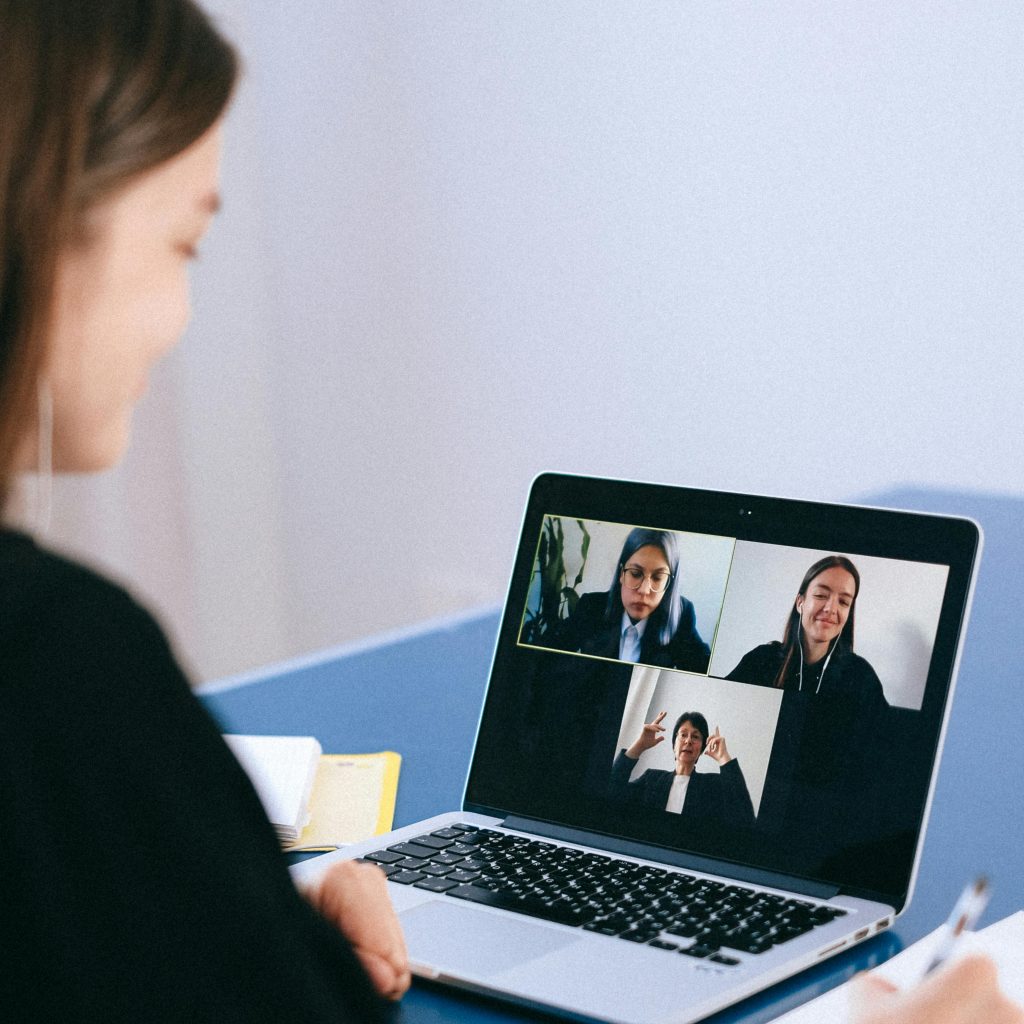
At 7 a.m. in Lagos, your Slack already buzzes. London is in full swing, Los Angeles is still awake, and your laptop looks like a crowded airport departures board. Every ping feels urgent. Someone wants a decision, someone else needs a quick review, and you are wondering when you are supposed to do your actual work. By late evening, you are still online for “just one more” call.
Yet this messy reality hides a big opportunity. Global teams give you true 24/7 coverage, faster handoffs, and always‑open customer support. You gain fresh ideas from different cultures and backgrounds, and you can hire rare skills that are impossible to find in one city.
The downside is obvious. Time zones stretch people into late‑night meetings and pre‑dawn stand‑ups, leading to burnout and slower decision-making. Cultural gaps cause awkward misreads, while quieter teammates start to feel invisible and left out of decisions.
This post will show you clear and practical ways to run a global team without chaos, resentment, or lost productivity.
Understand the Time Zone Challenge
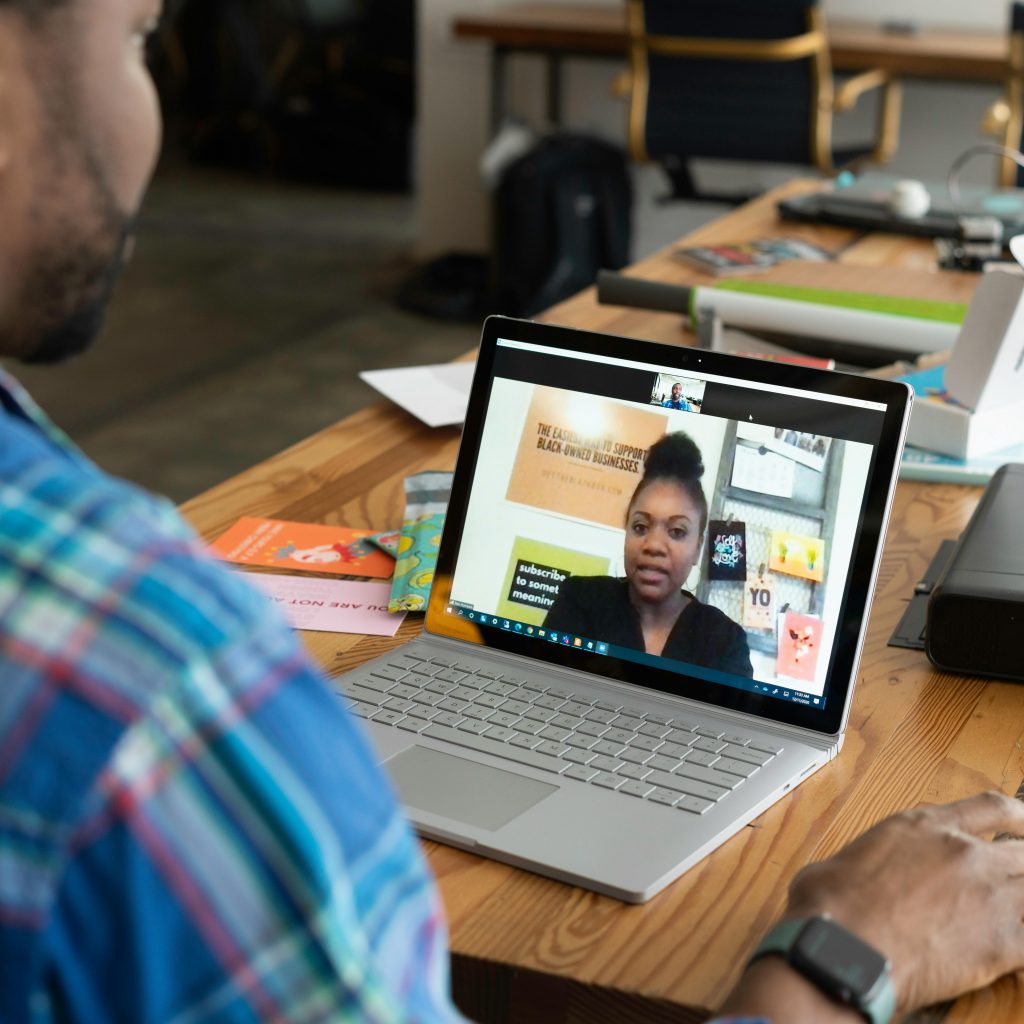
Time zones sound boring until your calendar starts to look like a puzzle. Teams spread across continents fight “calendar Tetris,” hunting for one tiny overlap where everyone is awake and available. Work slows down because messages wait overnight, decisions stall, and people quietly stretch their days into early mornings and late nights.
Teams usually handle this in three ways. Some use overlapping hours, where everyone agrees on a daily “golden window” of two to four shared hours for live collaboration. Others run follow‑the‑sun setups, where work passes like a relay baton from one region to the next, giving near 24/7 progress and support. Hub‑and‑spoke models center key decisions in one “hub” time zone and connect satellite “spokes” that align around it.
Smart teams also use tools to avoid “time‑zone abuse.” World Time Buddy, Every Time Zone, and Time.is make it easy to see overlaps and pick fair meeting times. Calendar tools with built‑in time zone support, like Google Calendar, help you spot when you are about to schedule over someone’s evening or weekend.
Design a Fair Collaboration Model

A fair collaboration model starts with a simple rule: nobody should always be the one losing sleep. Fairness means every region gets normal working‑hour meetings most of the time, and no team is permanently stuck with 10 p.m. calls or 5 a.m. stand‑ups. You treat time zones like you treat workload or pay: something to balance, not something one unlucky group absorbs forever.
One easy move is rotating meeting times. You pick two or three “slots” that are reasonable for different regions, then alternate them so the pain of early or late calls is shared. Some teams even rotate big events like all‑hands meetings across time zones, so everyone occasionally gets the prime‑time slot.
Fair models also define clear core overlap hours. You agree on a small daily window when everyone is online together for live collaboration, decisions, and sensitive conversations. Outside that window, you default to asynchronous work: detailed docs, recorded updates, and comments that people can respond to in their own time. This mix protects focus, protects
weekends, and makes your team feel like adults, not zombies living by someone else’s clock.
Go Async‑First, Not Meeting‑First
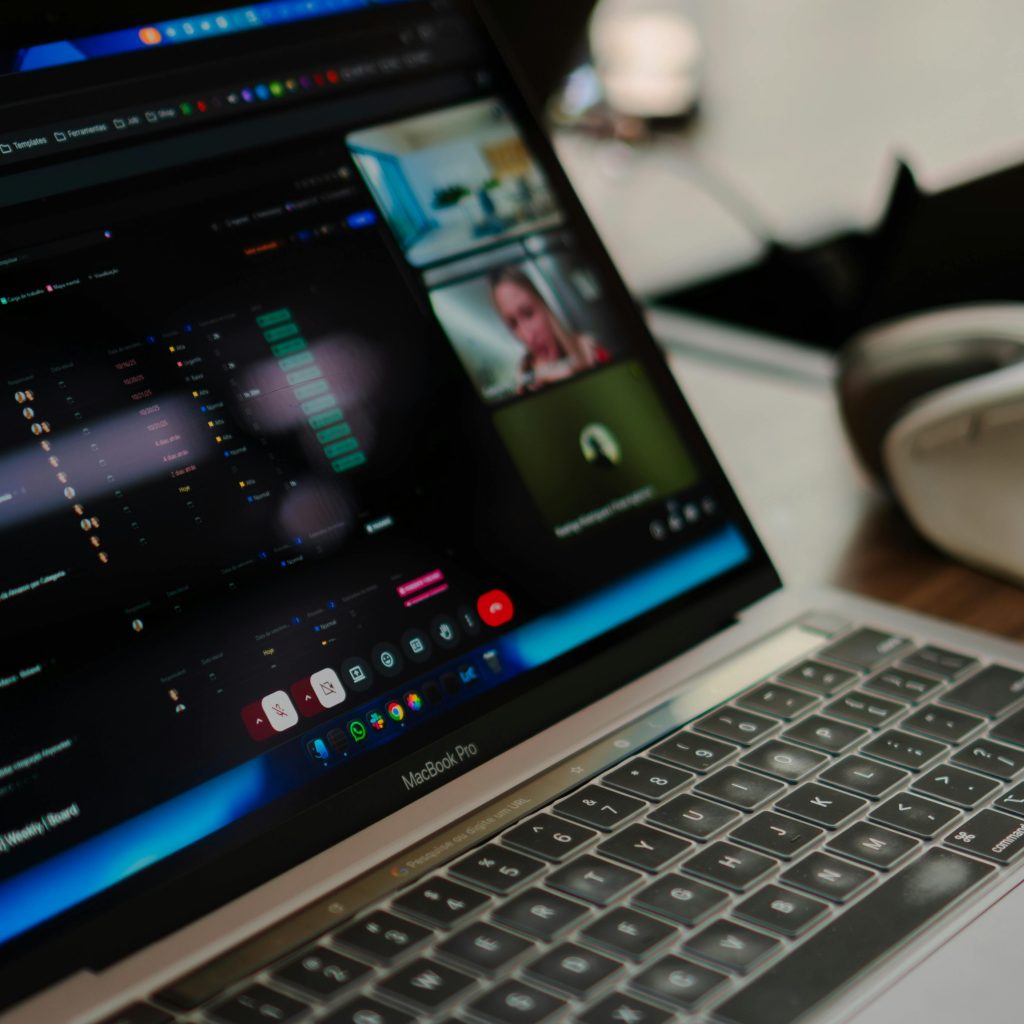
Async‑first work means your team does not treat meetings as the default. Information lives in written docs, chat threads, and project tools, so people can read and respond in their own workday instead of waiting for a call. Work still happens together, it just does not have to happen at the same time, which is perfect for spread‑out time zones.
Async‑first brings some nice side effects. You have fewer meetings eating up your week, and more long blocks of focus time for deep work. People can collaborate across an eight‑hour time gap without anyone staying up late, because updates, decisions, and feedback are waiting when they log in. It also creates a written trail of decisions, which helps new teammates ramp faster and reduces “who said what” drama.
Async‑first needs a few daily habits. Short written updates replace many status meetings, using tools like Slack threads or project comments. Loom or other screen‑recording tools handle walk‑throughs, demos, and explanations that people can watch at any hour. Shared workspaces like Notion and visual boards like Trello or ClickUp keep tasks, context, and decisions in one visible, living home instead of buried in calendars.
Recommended Reading: Synchronous vs asynchronous communications: A complete guide
Set Clear Roles, Goals, and Communication Rules
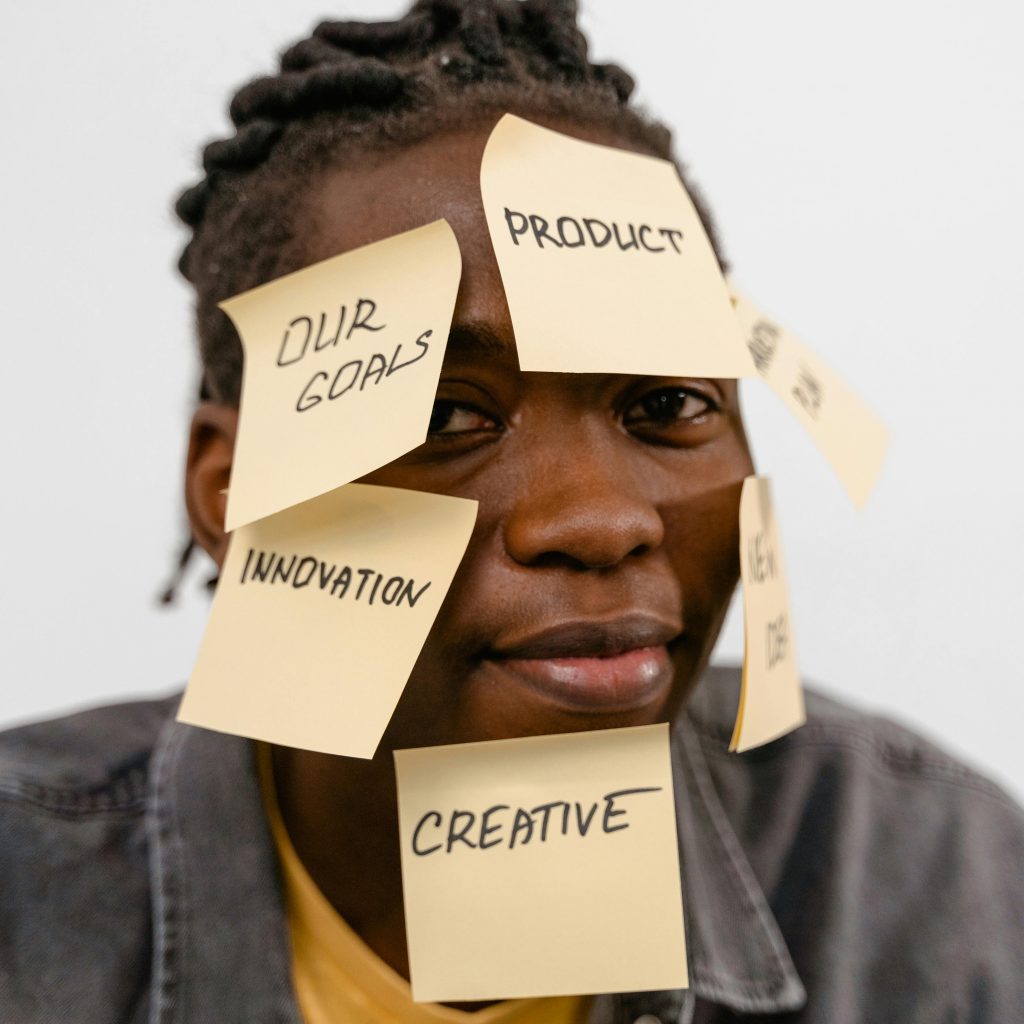
Global teams only work when everyone knows exactly what they own and what success looks like. Clear roles and measurable goals reduce finger‑pointing, speed up decisions, and let people move without waiting for a manager in another time zone to wake up. Each person should have a simple answer to “What am I responsible for this quarter, and how will we know it worked?”
Clear ownership needs clear communication rules. A communication charter spells out which tool is for what, how fast people are expected to reply, and when something deserves a call instead of another DM. For example, Slack for non‑urgent chat with 24‑hour response, email for formal decisions, and video calls only for complex topics or sensitive feedback. These rules stop Slack from turning into a fire alarm and protect deep‑work time, especially across time zones.
To avoid constant “any updates?” pings, teams can make progress visible. Shared KPI dashboards show output, quality, and engagement so people can track themselves instead of waiting for status meetings. Metrics like project completion rate, response times, and customer impact help remote teammates steer their own work and spot problems early without micromanagement.
Recommended Reading: KPIs for Remote Work: Measuring What Matters
Lead Across Cultures, Not Just Clocks

Time zones decide when people can meet, but culture decides how brave they feel when the meeting starts. Direct cultures may say “I disagree” openly, while others hint gently or avoid conflict to protect harmony. In some places, asking for help feels normal; in others, it feels like failure, so people stay quiet and struggle alone. Leaders who ignore these differences get odd misunderstandings, mysterious silence, and conflicts that no one names out loud.
You can make culture a team skill, not a landmine. Light cross‑cultural training and fun “culture days,” where people share food, holidays, and work norms, help teammates see patterns instead of judging personalities. Simple meeting rules also go a long way: do not interrupt, pause after questions, and actively invite quieter voices into the conversation. Clarify meaning by summarizing what you heard and asking, “Did I get that right?” instead of assuming.
Underneath all this sits psychological safety. People from any country speak up more when leaders show curiosity, admit their own mistakes, and thank others for raising concerns. Research links inclusive leadership with higher psychological safety and more honest “employee voice,” especially in remote and hybrid teams. Your job as a leader is to make it feel safer to speak than to stay silent, even across oceans.
Protect Well‑Being and Prevent Burnout

Global teams carry a quiet risk: people stretching their days to match “HQ time,” answering pings late at night and early in the morning. Over time, this always‑available habit drives burnout, poorer performance, and a higher chance that people will simply quit, even if they like the work itself. Studies show that blurred boundaries and constant connectivity are major drivers of stress and exhaustion for remote workers.
Healthy global teams treat rest as a feature, not a perk. You can start with simple structural boundaries: no‑meeting windows by region so people can count on quiet focus time, and a hard rule against scheduling recurring calls in someone’s typical evening. Respect local holidays and weekends, using shared calendars that show public holidays in each country, so deadlines and key launches do not land on someone’s New Year’s.
Policies and norms then lock that respect in. Clear “off” hours, do‑not‑disturb expectations, and limits on after‑hours messages or notifications help people actually switch off. Async communication, flexible scheduling, generous time‑off policies, and wellness programs all support sustainable performance instead of short bursts of heroics followed by crashes. When leaders model logging off on time and not replying at midnight, the whole team learns that rest is part of the job, not a guilty secret.
Onboard and Grow Global Talent Intentionally
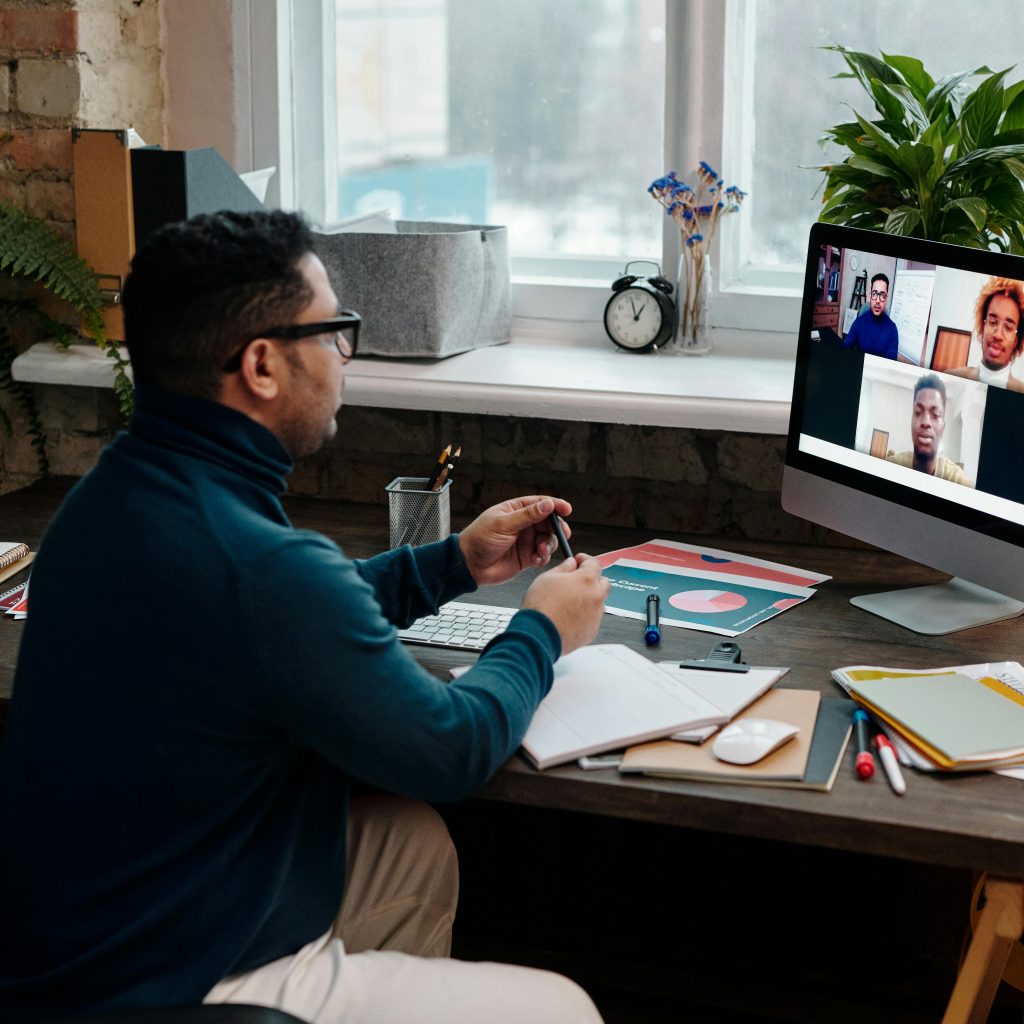
Remote hires rarely quit because they hate video calls. They quit because weak onboarding leaves them lonely, confused, and unsure how to succeed, especially when everyone else sits in another time zone. Research shows that new hires who feel undertrained from poor onboarding are far more likely to plan their exit, and remote workers are especially at risk.
You can fix this with structure and company. Onboarding cohorts bring people in groups so nobody is “the only new person” in the Slack universe. Buddy programs pair each new hire with someone who answers “silly” questions, translates unwritten rules, and spans time zones when managers sleep. Clear 30/60/90‑day plans with specific goals and check‑ins work beautifully across time zones because expectations and milestones live in writing, not random calls.
Onboarding is only the beginning. Visible career paths, skill roadmaps, and regular feedback cycles tell global teammates they are not “second‑class” just because they are far away from HQ. Mentorship programs, including cross‑border mentor–mentee pairs, help remote employees feel seen, grow faster, and build relationships outside their immediate squad. When your growth systems reach across time zones, your team stops feeling like “HQ plus everyone else” and starts feeling like one company.
Recommended Reading: How To Support Career Growth for Remote Employees
Practical Playbook: Example Schedules and Rituals

One simple weekly rhythm for an Africa–Europe–US team starts with a Monday async update thread. Everyone posts what they finished last week, their top three priorities, and any blockers, using a shared channel or project board so people in each region can read it during their own morning. A single rotating live stand‑up happens mid‑week in a two‑hour overlap window, with the time slot moving monthly so nobody is stuck with permanent late nights.
Friday ends with a lightweight async “wins and learnings” post, so the whole team sees progress and shout‑outs without another meeting.
Layer in a few bigger rituals to keep things human. A monthly virtual hangout sits in the friendliest overlap time, with cameras on, games or show‑and‑tell, and zero status updates allowed. Quarterly, you can run a longer strategy workshop using digital whiteboards and clear breaks, so people in each region are not stuck online for hours straight. These rhythms keep everyone aligned on work, visible to each other, and emotionally connected, while most collaboration still happens async, inside normal local working hours instead of stealing evenings and weekends.
Recommended Reading: WorkWell – Rituals That Strengthen Remote Teams
Conclusion

Managing across time zones is really about smart design, clear expectations, and everyday respect, not late‑night heroics and endless meetings. You can start tiny this week: launch one async update thread, or write a simple one‑page communication charter and test it with your team. Once those basics feel normal, you can add fairer schedules, clearer roles, and better rituals one step at a time.
When you get this right, your company stops competing only for talent in one city and becomes a true magnet for world‑class people anywhere, offering flexibility, trust, and meaningful work that fits real lives instead of fighting them. Over time, your rhythms will feel calmer, your meetings will get sharper, and your people will have more energy for deep, creative work instead of juggling calendars and apologizing to their families.
Your managers will spend less time firefighting and more time coaching, because the system will carry more of the load.
What has worked best for your remote team so far, and what is one change you are excited to try next?