
Failure hits hard.
You try, hope, and plan. Then it does not work out.
Maybe you failed an exam, your business idea flopped. Maybe you applied for a job and never got a call back. Whatever happened, it shook your confidence.
You start questioning yourself. Replaying the mistake in your head, and wondering if you are even capable.
Here is the truth: failure is painful, but it is also normal. Confidence does not come from always winning. It grows when you rise after falling.
In this post, you will find ten simple, practical ways to rebuild confidence after failure. You will see how to turn a painful moment into a fresh start and how to step forward with a calmer mind, stronger courage, and a softer voice toward yourself.
A. Feel your emotions instead of hiding them

When something doesn’t go the way you hoped, the first thing your mind often tries to do is move on fast. You tell yourself it’s fine, that it wasn’t a big deal. But deep down, the disappointment still sits there, waiting for your attention. Instead of hiding or ignoring it, give yourself permission to feel what’s truly happening inside.
Take a moment to name what you’re feeling—maybe it’s frustration, embarrassment, sadness, or even anger. Saying it out loud or writing it down helps your brain process the setback rather than letting it quietly build up in the background. When you allow your emotions to be seen, they lose their heavy power, and you create space for calm and clarity to return.
Try this simple practice: sit in a quiet spot, close your eyes, and ask yourself, “What am I feeling right now?” Don’t judge the answer; just notice it. The goal isn’t to fix anything—it’s to understand. That’s how healing starts and how confidence slowly begins to grow again.
B. Separate failure from your identity
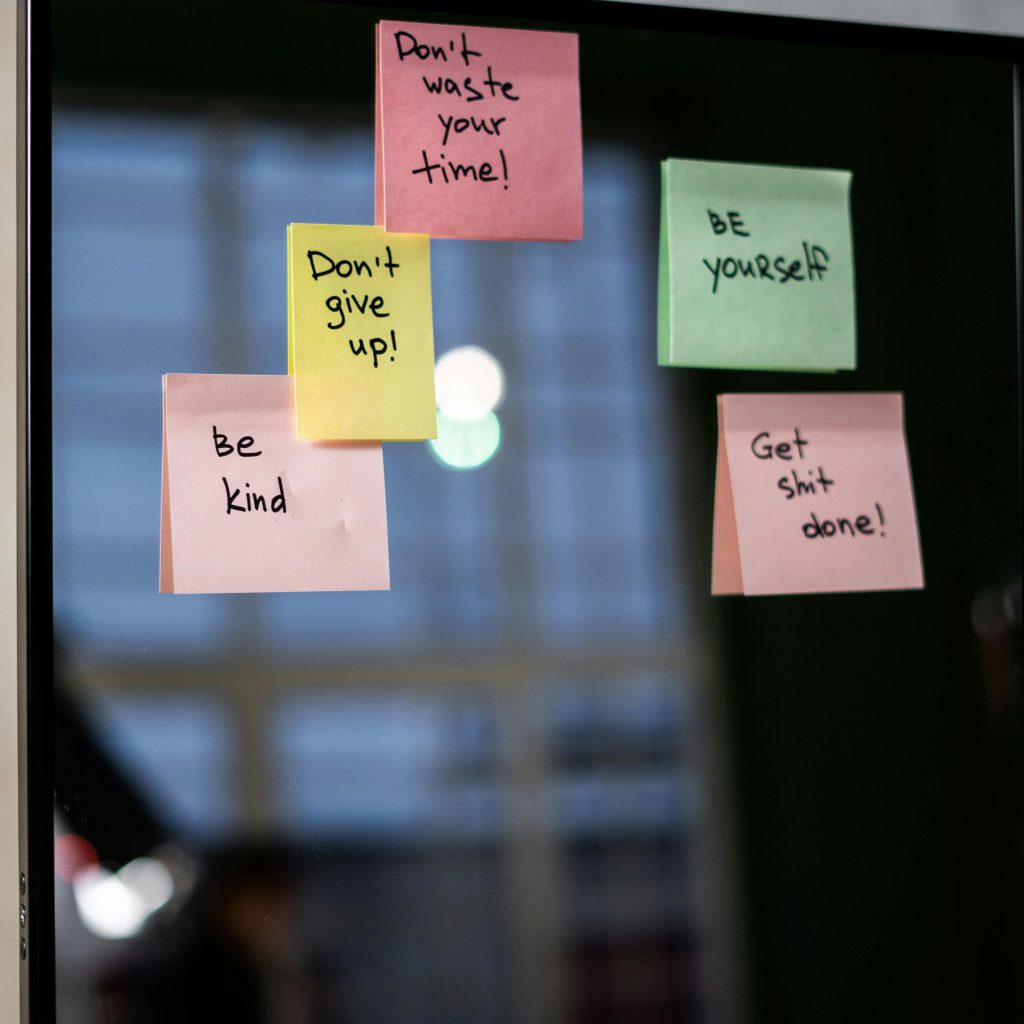
Failure feels personal, but it does not define who you are. When something goes wrong, it is easy to jump from “this failed” to “I am a failure,” and that leap can quietly damage your self-worth. Psychologists note that when self-worth is tied too tightly to achievements, every setback feels like proof that you are not good enough, rather than what it really is: one difficult moment in a much bigger story.
Start by changing the way you talk to yourself about what happened. Instead of saying “I failed,” try “that project failed” or “that exam did not go the way I wanted.” This small shift reminds your brain that the event is separate from your identity. You are a whole human being with many qualities, not a walking report card.
When you catch thoughts like “I always mess things up” or “I never get it right,” notice that this is your mind overgeneralizing one bad outcome into a permanent label. Gently correct it with something more balanced, like “this time did not work out, but I can learn and try again.” Choosing this kinder story protects your confidence and gives you the courage to take new chances without letting one result decide your worth.
Recommended Reading: Cognitive Distortions: Overgeneralizing
C. Rewrite the story with learning

Failures can feel like full stops, but they work better as commas in a longer sentence. Instead of asking, “Why did this happen to me?” try shifting the question to “What is this experience teaching me?” That simple change moves you from blame to curiosity and gives your mind something practical to work with, rather than circling around shame.
Take out a notebook and write “What did I learn?” at the top of the page. Underneath, list any patterns you notice, choices you might make differently next time, and skills you want to strengthen. When you treat your experience as data instead of a verdict on who you are, you reduce the emotional weight and turn the moment into information you can actually use.
You might discover that you need clearer boundaries, better preparation, more support, or a new strategy. None of that means you are not capable; it just means you are still learning, which is true for everyone. Each lesson you pull from the setback becomes a small building block for your future confidence, proof that you can grow rather than stay stuck.
D. Start with very small wins

After a setback, big goals can feel heavy and far away. Your mind might whisper that there is no point in trying because you will just fail again. Instead of forcing yourself to make a huge comeback, give yourself permission to start small, almost comically small.
Choose one or two tiny, realistic actions you can finish in a day or a week. It could be sending one email, reading for ten minutes, cleaning a small corner of your room, or practicing a skill for five minutes. Every time you complete one of these small actions, your brain gets fresh proof that you can decide, act, and follow through.
These little wins may not look dramatic from the outside, but they quietly rebuild trust in yourself. With each completed task, your confidence grows a bit more, and bigger steps start to feel possible again. You are teaching your mind a new story: “I can show up, I can do this, and I can keep going.”
E. Remember your past successes

When a fresh failure hits, it can feel like it erases every good thing you have ever done. Your mind zooms in on what went wrong and ignores the many times you showed courage, patience, or creativity. That is how recency bias works; it makes the latest moment feel like the only truth about you.
To balance that, take a few minutes to remember times you handled tough situations, learned something difficult, or bounced back after a challenge. Write them down in a list, no matter how small they seem. Maybe you finished a project under pressure, supported a friend, learned a new skill, or kept going when you were scared.
You can even create a small “proof folder” on your phone or in a physical box to keep photos, kind messages, certificates, or little reminders of what you have already overcome. Whenever doubt gets loud, you can look at this evidence and remind yourself that you are more than this one moment. Your latest setback is just one chapter, not your whole story.
F. Adjust your environment and company

The people around you shape how you see yourself, especially after a setback. If you spend time with those who tease, dismiss, or mock your struggles, your self-doubt will naturally grow louder. It becomes much harder to take risks when you feel like every misstep will be judged or turned into a joke.
Choose instead to lean toward people who are both kind and honest. Look for friends, family members, colleagues, or communities that listen, encourage you, and tell you the truth without tearing you down. Their belief in you can act like a safety net, making it feel safer to try again, experiment, and learn.
You can also gently limit time with people who drain your energy or constantly criticize you. Protecting your space is not selfish; it is an act of self-respect. When your environment is more supportive, your confidence has room to breathe, and taking the next step forward does not feel quite so lonely.
G. Talk to yourself like a coach, not a critic

After a failure, your inner voice might turn sharp and cruel. It might say things you would never say to someone you care about. That harsh commentary does not make you stronger; it usually makes you freeze, hide, or give up.
Try switching roles in your mind from critic to coach. A good coach is honest, kind, and focused on growth. Instead of “You are useless,” a coach asks, “What can we learn from this?” or “What is one small thing we can try next?” Questions like these keep your brain open and curious, which makes problem-solving much easier.
When you notice a critical thought, pause and imagine you are speaking to a close friend in the same situation. How would you encourage them? What would you remind them of? Use those same words on yourself. Over time, this gentler inner voice becomes a steady source of support, helping you get back up instead of keeping you down.
H. Focus on what you can control

After a setback, your mind often gets stuck replaying what went wrong and what everyone else might be thinking. That loop can make you feel powerless and tense because most of it is out of your control. Confidence grows when you gently bring your attention back to the small pieces you can actually influence.
You cannot control every outcome, but you can control your effort, your preparation, and the attitude you bring to the next attempt. You can choose to practice more, ask for feedback, plan differently, or set clearer boundaries. When you pour your energy into these controllable actions, you feel less like a victim of circumstances and more like an active participant in your own story.
Any time you catch yourself obsessing over results or other people’s opinions, pause and ask, “What is one thing I can do today that is in my hands?” Then do that thing, even if it is tiny. Each time you act on what you can control, you reduce anxiety and strengthen a quiet, steady kind of confidence that does not depend on everything going perfectly.
I. Build a simple confidence ritual

Big moments feel less scary when you have a small routine that helps you get ready. A confidence ritual is like a personal warm-up that tells your mind and body, “We have done this before, and we can do it again.” It does not need to be fancy; it just needs to be consistent.
You might start with a few slow, deep breaths to settle your nerves, then stand or sit with your shoulders back and your head lifted. You could add a short pep talk, like “I have prepared; I can handle this, one step at a time.” Over time, repeating the same steps before hard tasks trains your brain to associate this ritual with feeling steady and focused.
Choose two or three simple actions that feel natural to you and use them before exams, presentations, interviews, or any situation that makes you doubt yourself. The goal is not to erase all nerves; it is to remind yourself that you are not walking in unprepared. Your ritual becomes a small anchor you can return to whenever you need a boost of calm confidence.
J. Ask for professional or community support

Sometimes a setback cuts deeper than you expect. You might notice that your motivation has dropped, your sleep is off, or your thoughts keep circling around the idea that you are not good enough. When your confidence feels shaken like this, you do not have to figure everything out alone. Reaching out is not a sign of weakness; it is a sign that you are ready for change.
A therapist, coach, mentor, or support group can help you spot patterns that are hard to see from the inside, such as perfectionism, harsh self-talk, or old beliefs about success and failure. They can offer tools, perspective, and steady encouragement while you practice new ways of thinking and behaving. Sometimes just having one person say, “What you are feeling makes sense, and there is a way forward,” can lift a huge weight.
You can start small. Send a message to someone you trust, look up local or online support, or ask a friend for a recommendation. You deserve guidance, kindness, and spaces where you are allowed to be a work in progress.
And if this post has made you feel seen or a little less alone, consider sharing it with someone who might need the same reminder, so they know their story is not over either.