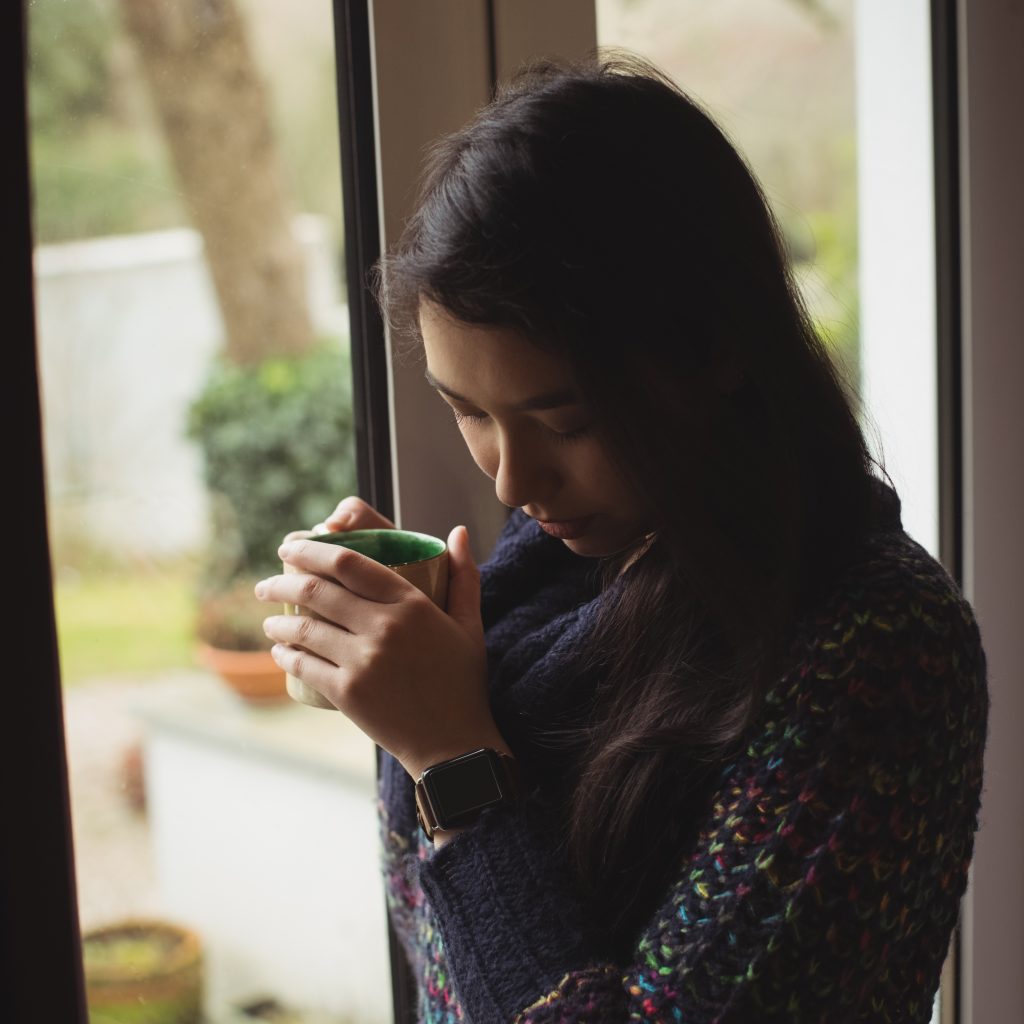
Your mind replays every conversation you had last week. Your heart races for no reason. You lie in bed wide awake at 2 a.m., worrying about things you cannot even name.
Sound familiar? You are definitely not alone.
Anxiety affects hundreds of millions of people around the world. In fact, the World Health Organization reports that anxiety disorders are among the most common mental health conditions globally. Yet so many people still dismiss it, push through it, or feel ashamed to talk about it, often due to societal stigma and a lack of understanding about the impact of anxiety on daily life.
Here is the truth: anxiety is real, it is valid, and most importantly, it is manageable. You do not always need a prescription to find relief. So many natural, evidence-backed strategies exist that genuinely work.
This guide walks you through the signs, the symptoms, and most importantly, the practical, science-supported ways to manage anxiety naturally every single day.
What Exactly Is Anxiety?
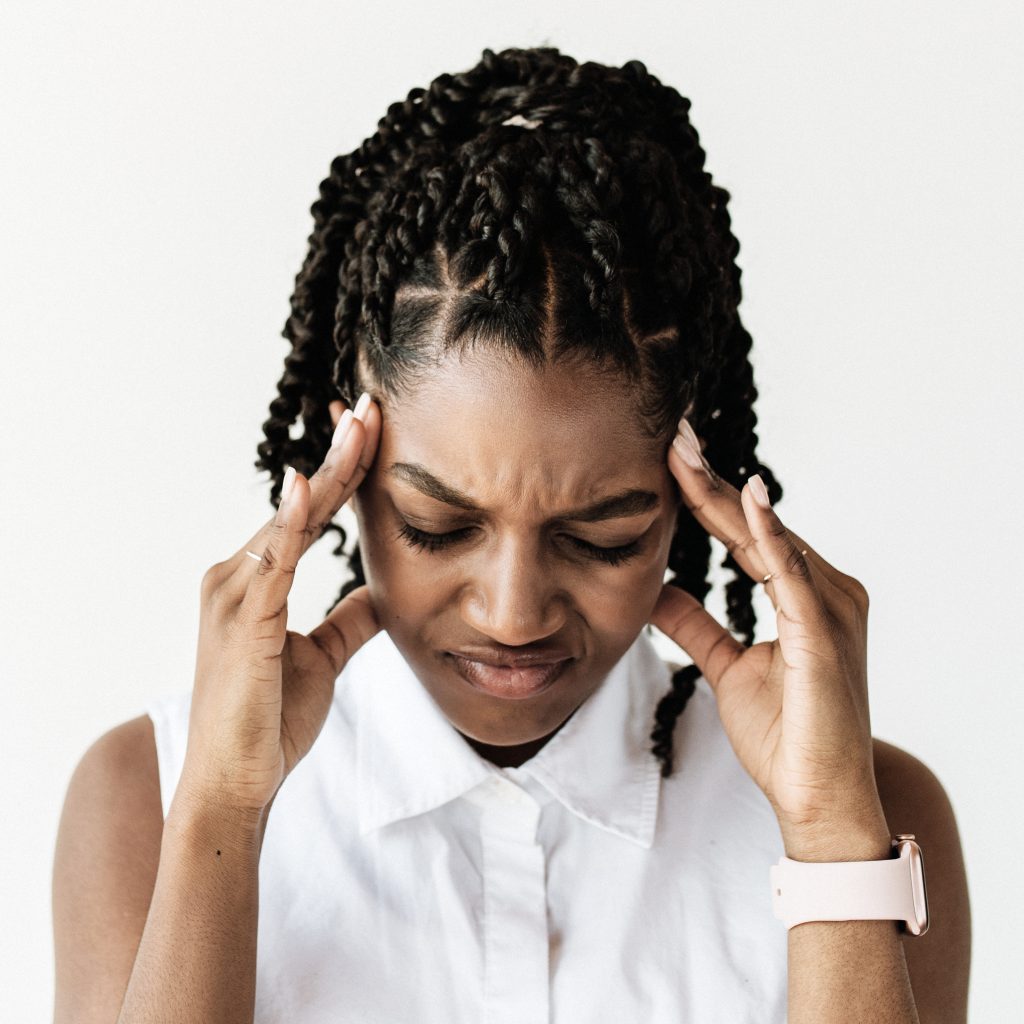
Anxiety is your brain’s alarm system. It fires off warnings when it senses danger, whether that danger is real or imagined. In small doses, anxiety actually helps you. It keeps you alert, motivates you to prepare, and pushes you to respond to genuine threats.
However, when that alarm keeps ringing long after the threat has passed or fires up over things that are not truly dangerous, it crosses into anxiety disorder territory.
The Mayo Clinic defines “anxiety disorder” as a condition where fear and worry become excessive, persistent, and difficult to control, often interfering with daily life. Therefore, understanding the difference between everyday worry and an anxiety disorder matters enormously for your mental health journey.
How Common Is Anxiety Really?
Very common. Shockingly common, actually.
The World Health Organization estimates that around 301 million people worldwide live with an anxiety disorder, making it the most prevalent mental health disorder on the planet. Furthermore, anxiety disorders increase the risk of depression, substance use disorders, and suicidal thoughts if left unaddressed.
The good news is that anxiety responds well to both professional treatment and natural management strategies. So wherever you are on this journey, there is hope, and there is help.
Signs Your Anxiety Is More Than Just Stress
Everyone feels stressed sometimes. However, anxiety disorder looks and feels different from ordinary stress. Knowing the difference helps you take the right steps toward healing.
Here are the key signs that what you are experiencing might be anxiety:
You Worry Constantly About Everything

Your concerns extend beyond major issues such as job security or health. You worry about small things too, like whether you said the wrong thing in a conversation three days ago. Generalized Anxiety Disorder, or GAD, involves excessive, nonspecific worry that feels impossible to switch off.
NIH StatPearls describes this type of anxiety as a persistent worry that the person recognizes as excessive but struggles to control. If this sounds like you, you are not dramatic. Your brain is stuck in overdrive.
Your Body Feels It Too

Anxiety does not live only in your head. It shows up powerfully in your physical body as well.
Common physical signs include a racing heart, rapid breathing, sweating, trembling, muscle tension, nausea, dry mouth, dizziness, and tingling in your hands or feet. Cleveland Clinic confirms that anxiety disorders produce both psychological and physical symptoms, and the physical ones often arrive before the emotional ones do.
Consequently, many people visit doctors for physical complaints without ever realizing that anxiety is driving them.
You Struggle to Sleep
Anxiety and poor sleep feed each other in a frustrating cycle. Anxiety keeps your mind racing at night. Sleep deprivation then makes your anxiety worse the next day.
The Mayo Clinic lists trouble sleeping as one of the most consistent symptoms of anxiety disorders. Additionally, difficulty falling asleep, waking up frequently, and feeling unrested after a full night of sleep all qualify as sleep disruptions connected to anxiety.
You Avoid Things That Make You Uncomfortable
Skipping social events and putting off important calls. Avoiding places or situations that trigger worry is another sign of anxiety. The practice is called avoidance behavior, and it is one of the most telling signs of anxiety.
NIH StatPearls explains that behavioral symptoms of anxiety include consistently avoiding situations perceived as threatening, seeking constant reassurance, and restlessness or agitation. Unfortunately, avoidance provides short-term relief but makes anxiety stronger over time.
You Feel Irritable, Edgy, or On Edge
Anxiety does not always look like crying or panic attacks. Sometimes it looks like snapping at the people you love, feeling wound up all day, or struggling to sit still.
NIH describes edginess, irritability, and impatience as core affective symptoms of anxiety. So if you have been feeling unusually short-tempered lately, anxiety could absolutely be the reason behind it.
You Experience Panic Attacks
Panic attacks are sudden, intense episodes of overwhelming fear that peak quickly and feel terrifying. They produce symptoms like shortness of breath, pounding heartbeat, chest pain, sweating, shaking, and a sense of impending doom.
UC Davis Health explains that infrequent panic attacks can be normal, but repeated panic attacks signal a deeper issue that deserves attention and care. Panic attacks are not dangerous, but they are absolutely exhausting and deeply disruptive to daily life, often leading to increased anxiety about future attacks and avoidance of situations where they may occur.
You cannot concentrate
Anxiety hijacks your attention. It pulls your mind away from the present moment and locks it into a loop of what-ifs and worst-case scenarios.
Difficulty concentrating and persistent intrusive thoughts are classic cognitive symptoms of anxiety. NIH StatPearls notes that poor concentration, confusion, and narrowing of attention toward perceived threats are hallmarks of pathological anxiety. Therefore, if you struggle to focus at work or in conversations, anxiety may genuinely be the root cause.
Types of Anxiety Disorders
Not all anxiety looks the same. Several distinct types exist, and each one presents differently.
UC Davis Health outlines the main types as follows:
Generalized Anxiety Disorder (GAD): Persistent, unrealistic worry about everyday tasks and situations. It affects work, relationships, and daily functioning significantly.
Panic Disorder: Sudden episodes of intense fear that cause panic attacks, including chest pain, excessive sweating, and a pounding heart.
Social Anxiety Disorder: Overwhelming worry about social situations, excessive self-consciousness, and intense fear of judgment from others.
Specific Phobias: Strong, irrational fear of specific objects or situations that triggers immediate anxiety responses.
Understanding which type resonates with your experience helps you choose the most effective natural coping strategies moving forward.
How to Manage Anxiety Naturally: 10 Proven Strategies
Managing anxiety naturally means acknowledging it rather than ignoring or pretending it isn’t there. It means building daily habits and practices that train your nervous system to stay calm, grounded, and resilient.
Here are ten research-backed natural strategies that genuinely work.
1. Practice Deep Breathing Every Day

Your breath is your most powerful, most accessible anxiety tool. Diaphragmatic breathing, also called belly breathing, signals your brain that you are safe and shifts your body out of fight or flight mode.
Wellness Road Psychology explains that studies confirm controlled breathing reduces anxiety symptoms, lowers cortisol levels, and improves emotional regulation. The technique is straightforward: breathe in slowly for four counts, hold for four counts, then exhale slowly for six counts. Repeat this five times whenever anxiety rises.
Furthermore, you can practice the technique on a bus, at your desk, in the bathroom, or anywhere life takes you. You don’t require any equipment, it’s free of cost, and it has no adverse effects.
2. Move Your Body Regularly

Exercise is one of the most powerfully researched natural treatments for anxiety. Physical movement lowers cortisol, releases mood-lifting endorphins, improves sleep quality, and trains your body to recover from stress faster.
Wellness Road Psychology describes exercise as a blockbuster natural anxiety treatment because of how comprehensively it addresses anxiety at the neurological level. Even a 30-minute walk five days a week qualifies as meaningful anxiety management. Additionally, yoga combines movement with mindfulness and breathing, making it especially effective for people dealing with anxiety.
Start small. Move consistently. Your nervous system will thank you for it.
3. Try Mindfulness Meditation
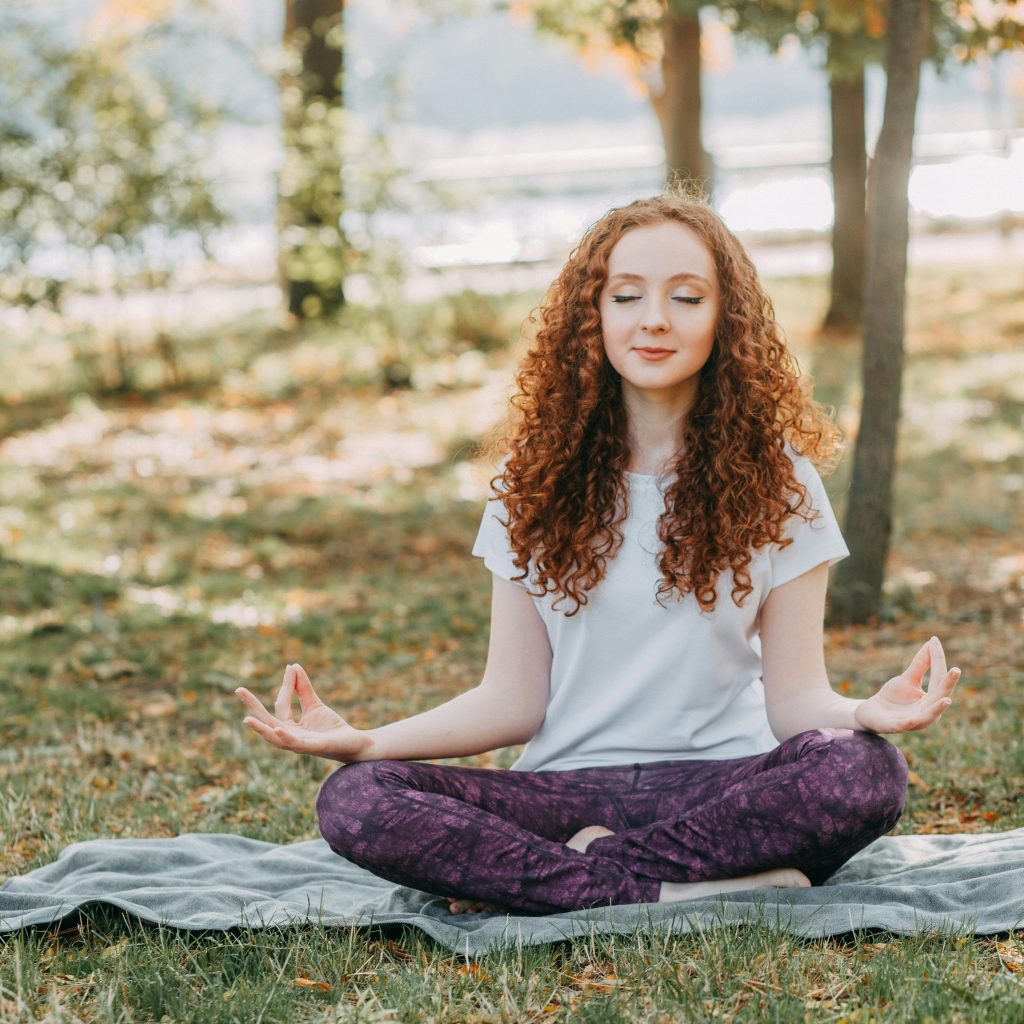
Mindfulness teaches you to observe your thoughts without getting swept away by them. Instead of believing every anxious thought, you learn to watch it arise and pass without reaction.
A study published in the Journal of Clinical Psychology found that mindfulness meditation produces significant positive impacts on anxiety symptoms. The National Center for Complementary and Integrative Health also confirms that mindfulness-based practices may be as effective as established treatments for managing anxiety in many individuals.
Start with just five minutes of quiet, focused breathing each morning. Apps like Headspace or Insight Timer make beginning a mindfulness practice incredibly accessible.
4. Write It All Down

Journaling gives your anxiety somewhere to go. Instead of keeping all that worry locked inside your mind on an endless loop, you release it onto paper. This act alone creates measurable psychological relief.
Medical News Today confirms that expressing anxiety through journaling is a genuinely helpful strategy for reducing anxiety and improving overall well-being. Write without editing yourself. Let the thoughts flow. You will often find that seeing your worries written down makes them feel much less overwhelming than they did in your head.
Consequently, many therapists recommend journaling as a daily practice alongside other anxiety management strategies.
5. Limit Caffeine and Alcohol

Both caffeine and alcohol directly worsen anxiety symptoms, even though they feel helpful in the moment. Caffeine stimulates your nervous system and amplifies the physical sensations of anxiety. Alcohol disrupts sleep and throws your brain chemistry off balance.
Psychology Gold Coast strongly recommends limiting caffeine and alcohol intake as a lifestyle-based approach to managing anxiety naturally. Swap your afternoon coffee for herbal tea. Try chamomile, which has shown promising calming properties in early research. Small swaps add up to big relief over time.
6. Spend Time in Nature
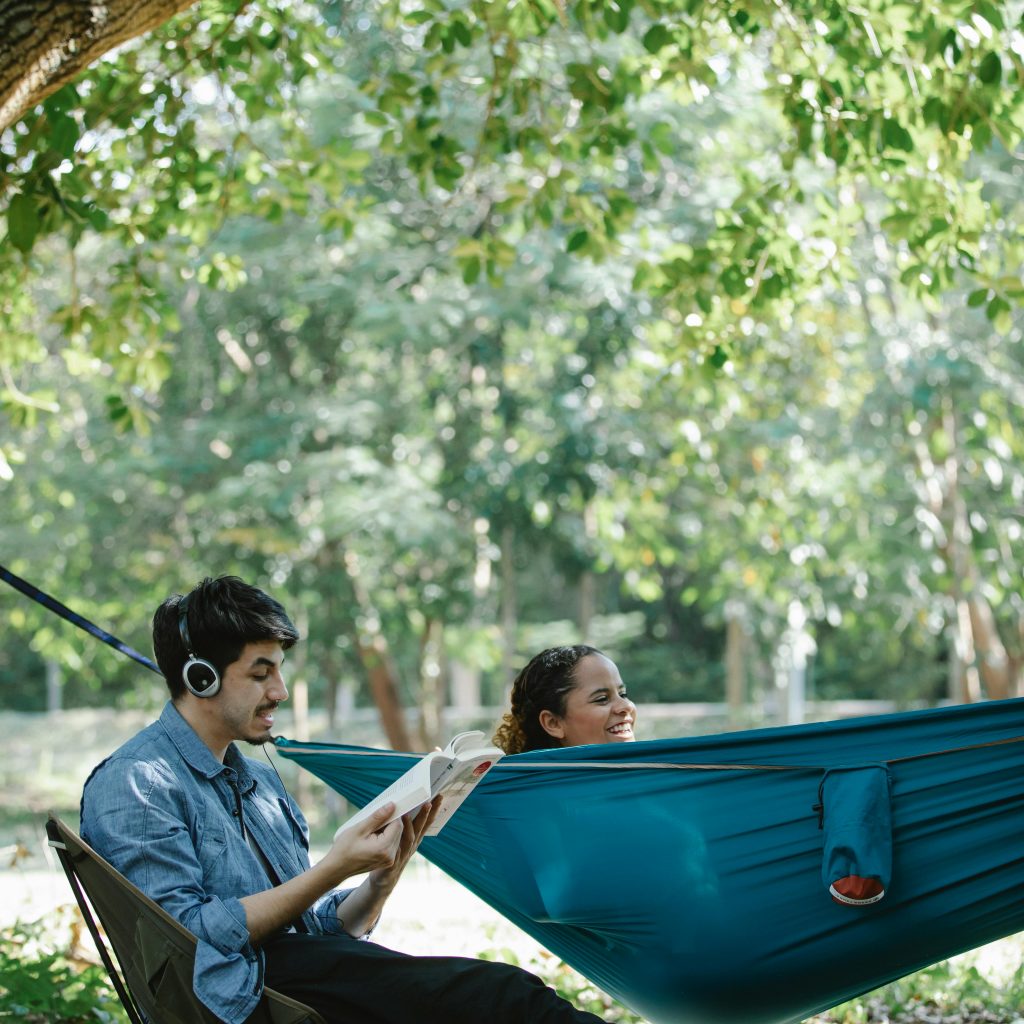
Nature heals in ways that science is only beginning to fully understand. Spending time outdoors reduces cortisol, improves attention, supports emotional regulation, and helps pull your mind away from anxious thoughts.
Wellness Road Psychology notes that nature exposure is one of the most evidence-backed mood regulation strategies available without medication. Try the 5 4 3 2 1 grounding method while outdoors: name five things you see, four you feel, three you hear, two you smell, and one you taste. This technique anchors your nervous system firmly in the present moment.
Even 20 minutes in a park, garden, or green space creates measurable reductions in stress hormone levels.
7. Build a Consistent Sleep Routine
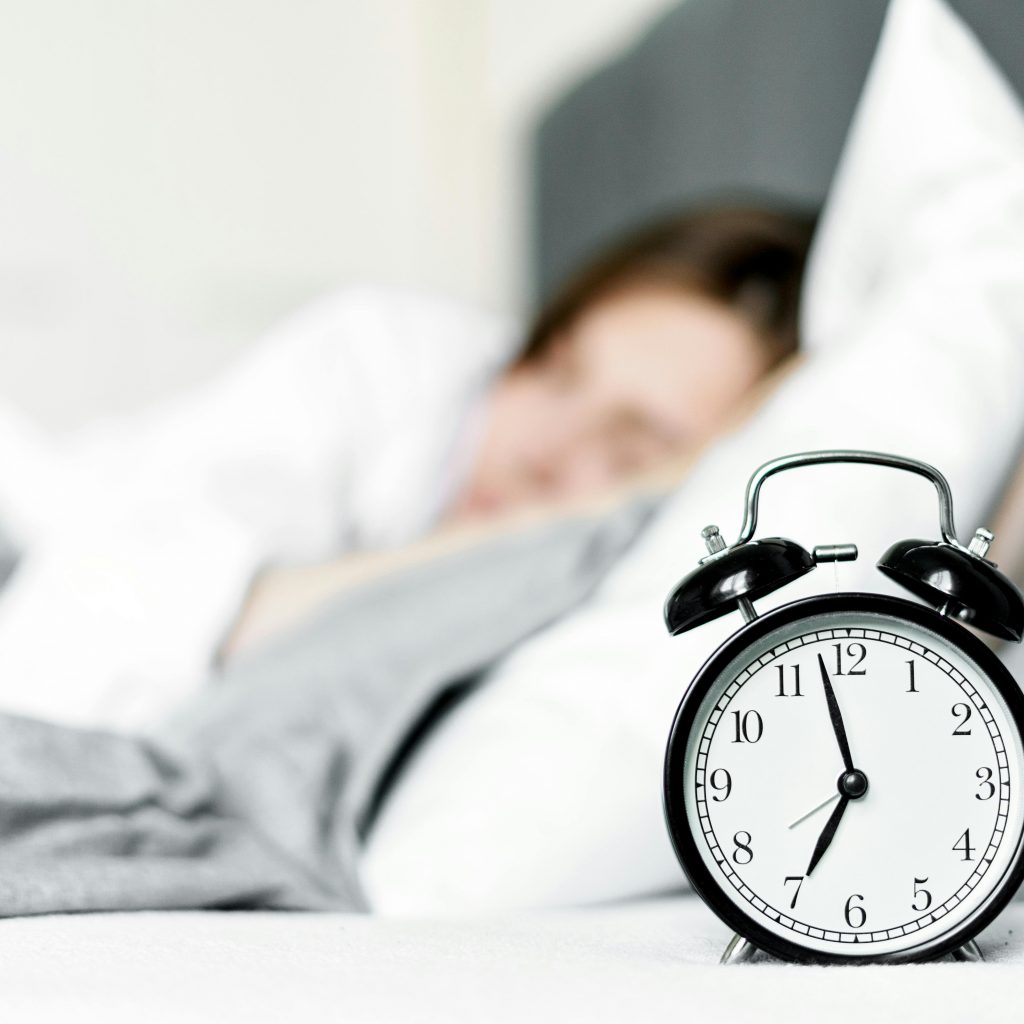
Poor sleep and anxiety create a brutal cycle that traps many people for years. You cannot effectively manage anxiety if your brain is running on depleted, fragmented sleep.
Prioritizing quality sleep means setting a consistent bedtime, reducing screen exposure for at least an hour before bed, keeping your room cool and dark, and avoiding heavy meals late at night. The Mayo Clinic identifies sleep disruption as both a symptom and a driver of anxiety disorders. Therefore, protecting your sleep is genuinely one of the most important natural anxiety management tools available.
Aim for seven to nine hours of quality sleep every night without compromise.
8. Connect With People You Trust

Isolation feeds anxiety. Connection heals it. Spending time with supportive friends, family members, or even a therapist creates a powerful buffer against anxious thinking.
Medical News Today highlights that spending time with animals and maintaining meaningful social connections both contribute significantly to natural anxiety management. Furthermore, talking about your anxiety with someone you trust reduces the shame around it, and shame almost always makes anxiety worse.
Reach out. Call a friend. Join a community. You do not need to carry anxiety alone.
9. Manage Your Time and Reduce Overwhelm
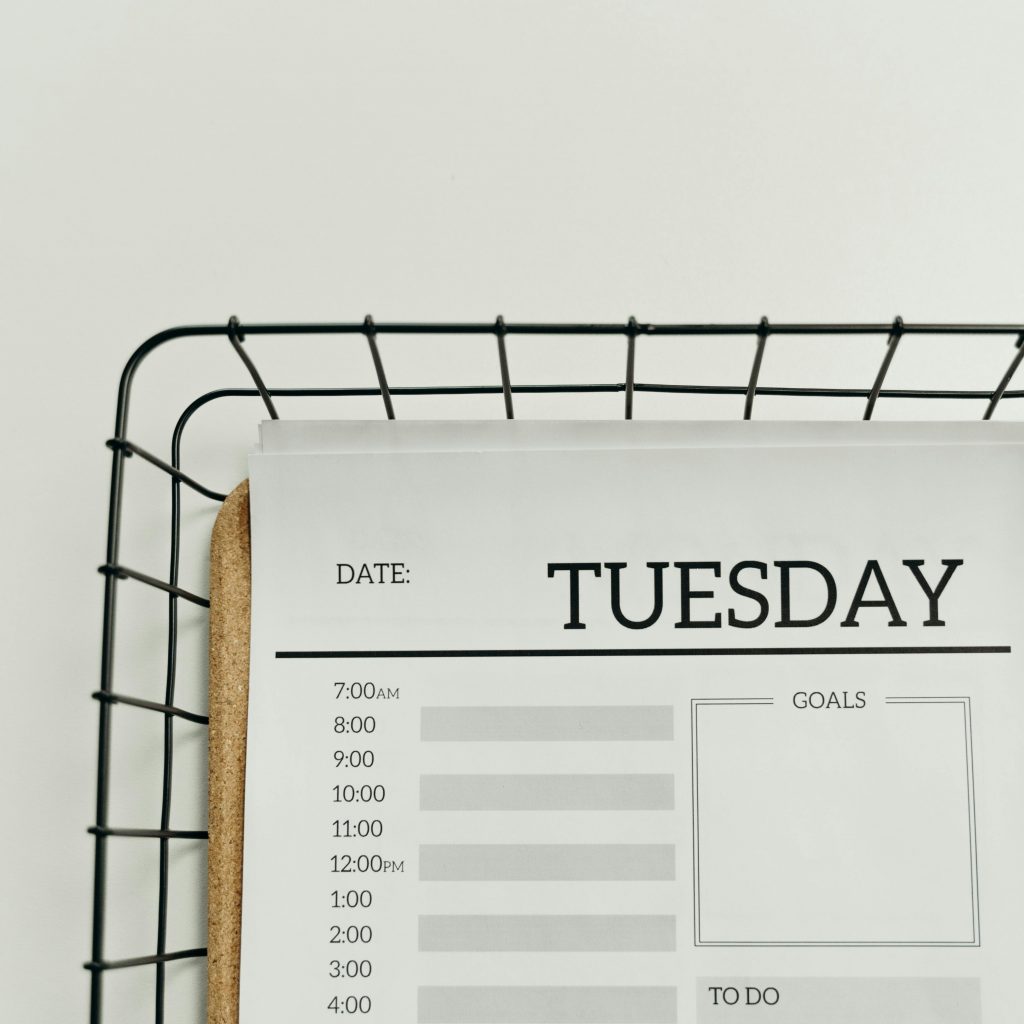
Sometimes anxiety explodes simply because life feels completely unmanageable. Too many tasks, too many deadlines, and too little structure create the perfect environment for anxiety to thrive.
Medical News Today confirms that managing time effectively is a practical and impactful strategy for reducing anxiety. Break large tasks into smaller steps. Use a planner or even a simple to-do list. Say no to commitments that drain you. Give your schedule some breathing room.
When life feels controllable, your brain stops sounding the alarm so loudly.
10. Consider Evidence-Based Supplements Carefully
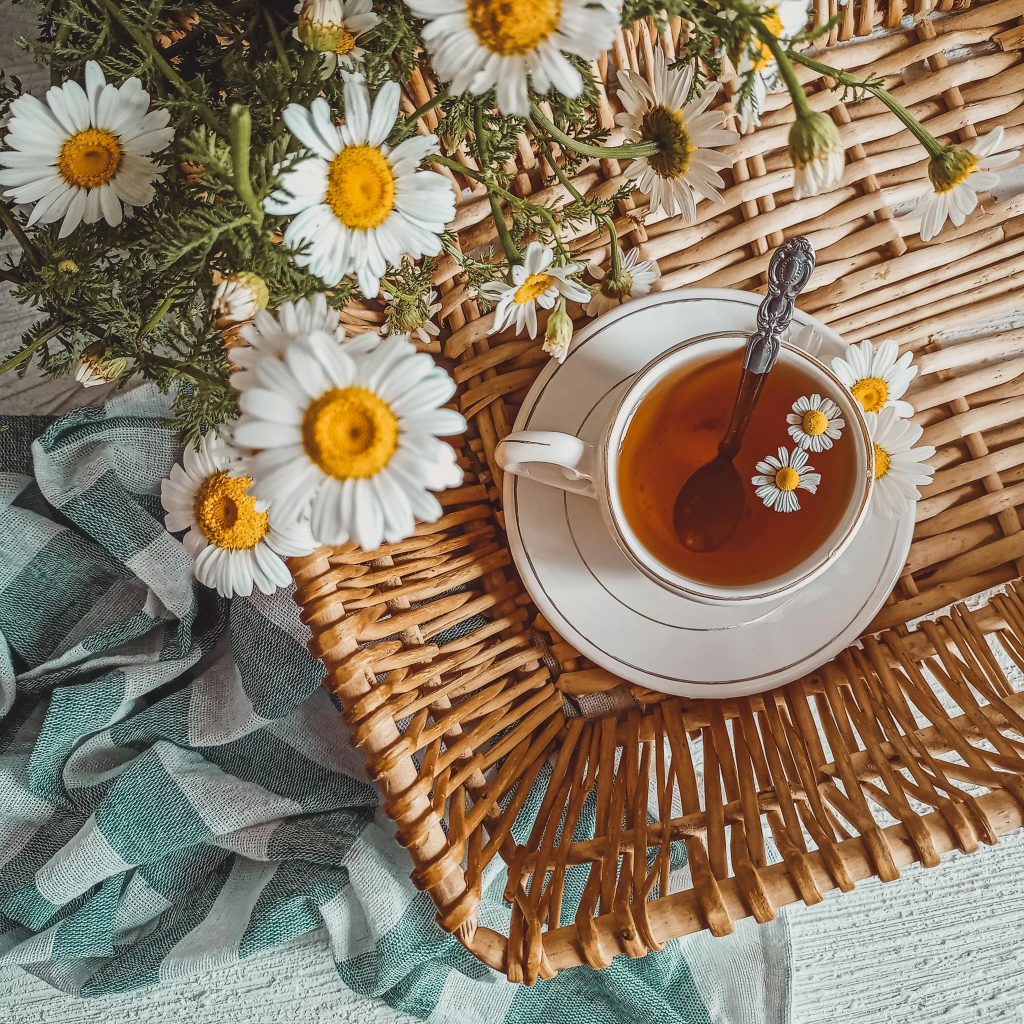
Certain natural supplements show promising results in reducing anxiety symptoms, though you should always consult a healthcare professional before starting any supplement.
GoodRx highlights that magnesium, chamomile, and kava kava have research backing for their calming effects. EBSCO research also notes that passionflower and lemon balm have demonstrated some promise in clinical studies for anxiety relief. However, some herbal supplements can interact with medications, so professional guidance matters enormously before you start.
Think of supplements as a support tool, not a standalone solution.
When Should You Seek Professional Help?

Natural strategies work beautifully for mild to moderate anxiety. However, some situations call for professional support, and seeking that support is always a sign of strength, never weakness.
See a doctor or mental health professional if:
- Your anxiety severely disrupts your work, relationships, or daily functioning
- You experience frequent panic attacks
- You feel hopeless, depressed, or have thoughts of harming yourself
- Natural strategies have not improved your symptoms after several consistent weeks of trying
- Your anxiety began after a traumatic event
Cognitive Behavioral Therapy, also called CBT, remains the gold standard psychological treatment for anxiety. It works by restructuring the thought patterns that drive anxious thinking. Many people find that combining CBT with natural lifestyle strategies delivers the most powerful and lasting relief.
Building Your Personal Anxiety Toolkit

No single strategy works perfectly for every person. Managing anxiety naturally means experimenting, being patient with yourself, and building a personal toolkit of strategies that consistently help you.
Start with one or two changes this week. Add deep breathing to your morning. Take a 20-minute walk today. Write three anxious thoughts in a journal tonight. Small, consistent actions compound into massive transformation over time.
Your mind is not broken. It is simply overworked, overstimulated, and desperately in need of the right tools and the right support.
You Are Stronger Than Your Anxiety

Anxiety lies to you. It tells you the worst is coming, that you are not enough, that danger lurks around every corner. However, you have enormous power to interrupt that narrative and rewrite it.
Every deep breath you take is an act of courage. Every walk, every journaling session, every moment you choose to reach out instead of withdraw, you are actively healing.
Managing anxiety naturally is not about achieving a perfectly calm mind. It is about building a life where anxiety no longer calls the shots. That life is absolutely, completely within your reach.
Start today. One small step at a time.
Recommended Reading: 14 Over-the-Counter (OTC) Natural Remedies for Anxiety