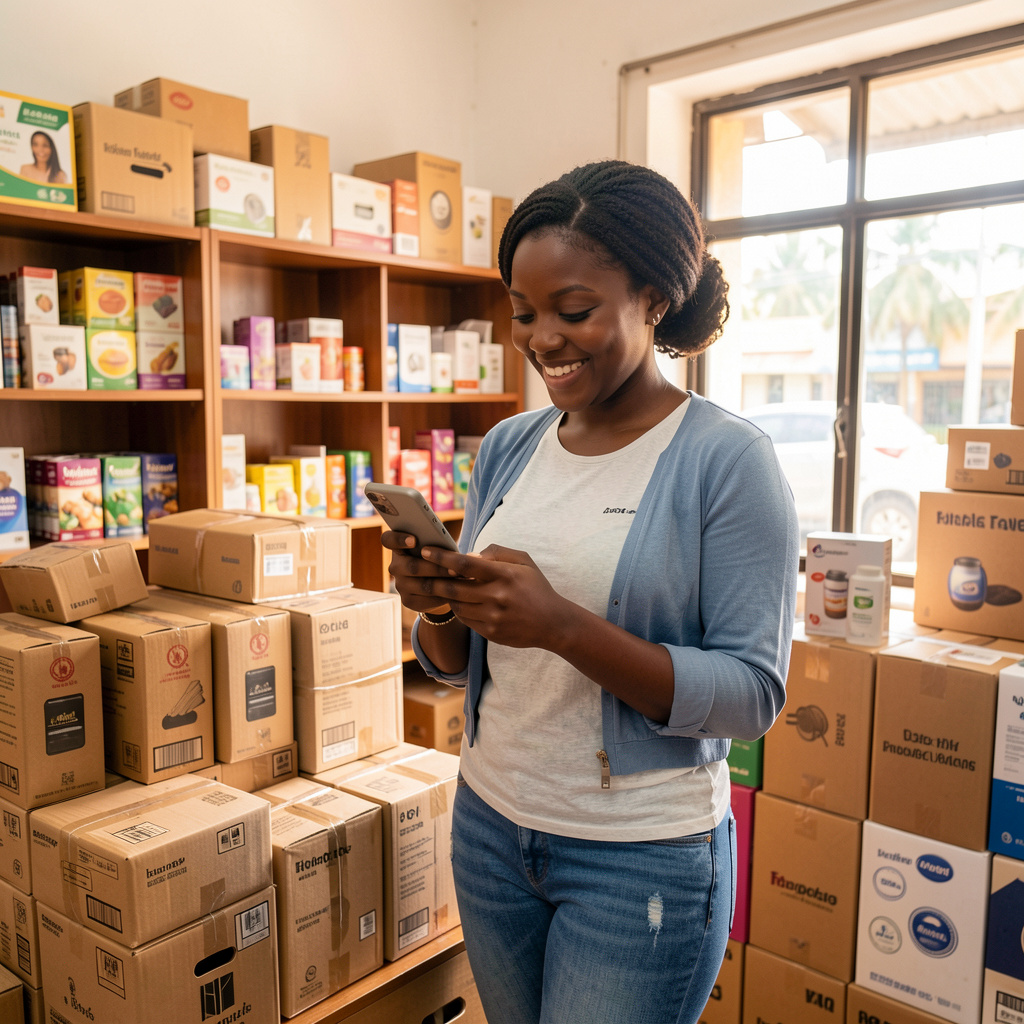
Running a business in Nigeria is not for the faint-hearted. You wake up early, hustle hard, and package your products with care, and then delivery costs eat deep into your profit before your customer even says “thank you.” If you have ever felt like logistics is the villain in your business story, you are absolutely not alone.
But here is the good news. You can fight back, cut delivery costs, protect your margins, and still get your products to your customers fast. This post breaks down exactly how to do that, with real solutions that already work for real Nigerian entrepreneurs. Let’s get into it.
First, Let Us Talk About the Real Problem
Before you can fix something, you need to understand it clearly. Nigerian entrepreneurs who deal in smartphones and gadgets at Ikeja Computer Village, Lagos, told the Tony Elumelu Foundation that delivery costs within the same city keep rising sharply. State governments collect multiple levies from dispatch companies, and those companies pass every single naira of that cost right back to the business owner. You are the one absorbing it at the end.
Then add fuel prices. Following the removal of the fuel subsidy, transportation costs experienced a significant increase. Road transport, which handles the majority of goods movement in Nigeria, became more expensive overnight. Fragile and time-sensitive items that require air transport encounter an additional challenge: costly airline tickets and frequent flight cancellations, which cause delays in shipments and undermine customer confidence.
The result? Many small business owners silently absorb losses or pass costs to customers and lose sales. Neither option is healthy for your business growth.
Why This Matters More Than You Think
Delivery costs are not merely an item on your expense sheet. They directly affect your pricing, your competitiveness, and your ability to scale. When your delivery cost rises, and your competitor finds a cheaper option, customers will quietly switch without giving you any explanation.
Research from Haul247, a logistics platform focused on freight in Nigeria, identifies poor infrastructure, multiple unofficial taxes, road insecurity, and rising fuel prices as the main drivers of spiraling logistics costs for Nigerian businesses. Understanding these root causes helps you choose the right solutions strategically instead of reacting blindly every time prices go up.
Furthermore, the logistics market in Nigeria is booming. Business Day reports that it recently hit a value of $10.95 billion, which means more players are entering the market. More competition will eventually push prices down, leading to more affordable logistics services for consumers and businesses alike. You just need to know how to take advantage of the shifting landscape right now by identifying emerging trends and potential investment opportunities that can benefit from increased competition.
Tip 1: Stop Using One Logistics Provider for Everything
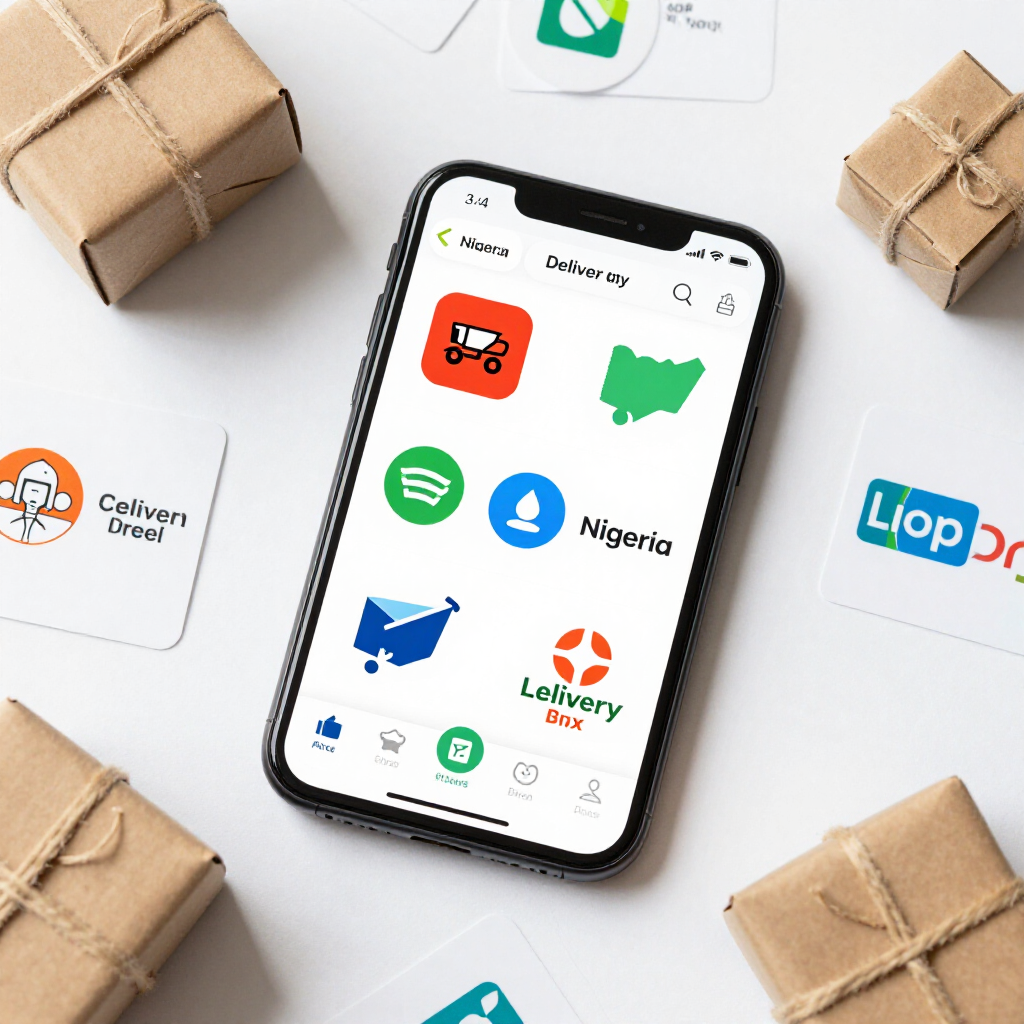
This single habit costs Nigerian business owners a lot of money. Most people pick one dispatch company out of convenience and loyalty and stick with it forever, even when prices rise. However, the smartest business owners treat logistics like they treat suppliers: they compare, negotiate, and diversify.
Start by creating a shortlist of at least three logistics providers that serve your area and delivery zones. Compare their rates for different parcel sizes, different distances, and different delivery timelines. Platforms like Kwik Delivery, Gig Logistics, Sendbox, and Topship have made this comparison easier than ever before kwik.delivery.
For local deliveries within your city, use faster and cheaper bike dispatch services. Compare road cargo to logistics tech platforms that compile truck owners for interstate deliveries. For instance, Kobo360 and Haul247 facilitate direct connections between businesses and verified truck owners, eliminating the need for an intermediary.
Tip 2: Leverage Technology to Find Cheaper Delivery Routes

One of the highest hidden costs in Nigerian deliveries is inefficient routing. When a dispatch rider takes a longer or unfamiliar route because no one planned it, you pay for that extra time and extra fuel. Fortunately, logistics technology in Nigeria is solving this problem directly.
AI-powered platforms are helping businesses refine route planning and reduce operational inefficiencies, according to analysis published in This Day Live. Predictive analytics allow businesses to anticipate delivery patterns and plan smarter routes automatically. Some logistics apps build optimized routes into their systems so you do not have to figure it out manually.
Moreover, if you run your delivery team, give your riders access to Google Maps and train them to always check for the shortest and least congested route. This one simple step can reduce fuel costs and time per delivery significantly over a single month.
Tip 3: Batch Your Deliveries Strategically

Sending out deliveries one by one is one of the most expensive habits a small business owner can develop. Instead, batch orders by location and send them together in one run. This approach, called route consolidation, cuts your cost per delivery dramatically because you stop paying for separate trips to the same area.
For example, if you have five customers in Surulere and three in Lekki, do not send two separate dispatch runs. Group the Surulere deliveries together and the Lekki deliveries together, then dispatch them simultaneously with different riders or in one vehicle.
Additionally, many Nigerian entrepreneurs who sell on Instagram or WhatsApp now use “delivery days” where they dispatch only on certain days of the week. This approach lets them batch more orders and negotiate better per-delivery rates with their logistics partners. As a bonus, it trains customers to plan their purchases around your schedule, which actually builds your brand’s professionalism over time.
Tip 4: Negotiate Volume Discounts With Your Dispatch Company

Most small business owners never negotiate with their logistics provider. They accept the price on the rate card and simply move on. However, every logistics company in Nigeria wants consistency, and consistent business always deserves a better price.
If you send out a minimum of 20 to 30 deliveries per week, you have real negotiating power. Approach your dispatch company directly and ask for a volume discount or a monthly retainer rate. Many companies will reduce your per-delivery cost by 15 to 30 percent once they know you bring regular, reliable business.
Put the agreement in writing. Define your expected volume, your preferred delivery zones, and the agreed rate. This simple conversation can save you tens of thousands of naira every single month without changing anything else about how you operate.
Tip 5: Use Packaging That Reduces Weight and Size

This tip sounds minor, but it saves real money consistently. Most logistics companies in Nigeria charge by weight or by size, whichever produces the higher cost. Therefore, if your packaging is bulky or heavy, you are overpaying for every single shipment.
Switch to lightweight packaging materials wherever possible. Use bubble wrap instead of thick foam. Use flat mailer bags for items that do not need rigid boxes. Right-size your boxes so there is no unnecessary space, because couriers sometimes charge dimensional weight based on the space a parcel occupies rather than its actual weight.
Review your top-selling products and calculate how much you spend on packaging versus how much lighter alternatives would cost. Most business owners who go through this exercise find monthly savings they never knew existed.
Tip 6: Consider Third-Party Logistics Platforms Built for Nigeria

A growing number of Nigerian logistics tech companies specifically solve the small business delivery problem. These platforms aggregate demand from multiple small businesses and use that combined volume to offer lower rates than any single business could negotiate alone.
Sendbox, for example, allows small businesses and e-commerce sellers to ship nationally at competitive rates by pooling shipments. Topship connects Nigerian businesses to both local and international courier options with transparent, upfront pricing. According to Conote Services, the lack of pricing transparency is one of the biggest pain points for Nigerian businesses. Tech-driven platforms solve this problem by showing you exactly what you pay before you commit.
Furthermore, these platforms offer real-time tracking, which reduces your customer service workload because customers can check their order status themselves without calling you ten times a day.
Tip 7: Offer a Local Pickup Option for Nearby Customers

Not every customer needs home delivery. Many customers, especially in urban areas, will happily pick up their order from a convenient location if it saves them money or gets products to them faster. Offering a local pickup option reduces your delivery spend to zero for a significant portion of your customer base.
Some Nigerian business owners partner with shops, pharmacies, or offices in their neighborhood to serve as pickup hubs. This network approach works particularly well if your customer base is concentrated in specific areas of your city. You eliminate delivery costs for those customers while still offering a convenient, reliable service.
Start by simply asking your nearest customers during checkout: “Would you prefer free pickup from a location near you?” The response will surprise you.
Tip 8: Track Every Delivery Cost and Audit Monthly

You cannot cut what you do not measure. Many Nigerian business owners have no clear picture of how much they spend on deliveries monthly because they pay per transaction without ever adding up the total. This invisibility allows costs to grow silently and dangerously.
Create a simple spreadsheet or use a free accounting app to log every delivery expense. Track the date, the provider, the amount, the destination, and the outcome. At the end of each month, review the data and ask three key questions: Which provider cost the most? Which delivery zones cost the most? Which deliveries failed or got delayed?
This monthly audit helps you spot wasteful patterns, eliminate unnecessary spending, and make smarter decisions about which providers to use for which routes going forward.
Tip 9: Build Strong Relationships With Your Logistics Partners

Business in Nigeria runs on relationships. The business owners who consistently receive better service, faster response times, and more flexible pricing are the ones who invest in genuine relationships with their logistics partners. They know the dispatch manager by name, pay on time, and communicate volume changes in advance.
The Tony Elumelu Foundation’s research found that maintaining strong supplier relationships is one of the most effective strategies Nigerian businesses use to navigate economic instability and rising costs. This principle applies directly to your delivery partnerships, too.
A logistics provider who knows and trusts you will go the extra mile during difficult periods, whether that means holding your rate during price increases or prioritizing your deliveries during peak seasons like December and Ramadan.
Tip 10: Explore Shared Delivery Models With Other Business Owners

One of the most creative cost-cutting strategies gaining momentum among Nigerian small business owners is shared delivery. This model means partnering with other small businesses in the same industry or the same market to share delivery runs and split the cost fairly.
For example, two Instagram fashion vendors in the same neighborhood can share a dispatch rider for local deliveries on specific days and split the fee 50/50. A group of food vendors on the same street can pool together for a single delivery run to Ikoyi or Victoria Island and divide the fare evenly.
This model works because it reduces costs for every business involved while maintaining service quality for customers. It requires trust and coordination, but Nigerian entrepreneurs who already use it report noticeable monthly savings. Start with one trusted business colleague and test it for a month before expanding the arrangement further.
The Bigger Picture: Technology Is Changing the Game

Nigeria’s logistics sector is going through a real transformation. Nigerian startups are using artificial intelligence, IoT tracking, and digital payment integrations to build smarter, cheaper delivery systems. Fintech solutions are increasingly enabling seamless transactions within supply chains, reducing payment delays that often add hidden costs to logistics operations.
As a small business owner, you benefit from this transformation simply by choosing modern, tech-driven logistics platforms over traditional, informal arrangements. The more you embrace platforms that offer tracking, transparent pricing, and data, the more control you hold over your delivery costs every single month.
The future belongs to Nigerian entrepreneurs who adapt early. Logistics will remain challenging in the near term because infrastructure takes time to improve. However, the tools available to you today are far better than they were five years ago, and they keep improving.
Your Delivery Cost Is a Business Decision

Cutting delivery costs in Nigeria is not just about being frugal. It is about being strategic. Every naira you save on logistics is a naira you can reinvest into your products, your marketing, or your customer experience. The business owners who master logistics management are the ones who scale faster and survive longer in Nigeria’s tough economic climate.
Start with one tip from this list today. Pick the easiest one for your business right now and implement it this week. Then add another the following week. Within three months, you will see a measurable difference in your delivery spend and your profit margins.
Nigeria is not an easy place to run a business. But it is absolutely possible to run a deeply profitable one.
Recommended Reading: Logistics Challenges are Crippling the Activities of Nigerian Entrepreneurs