
You do not need a giant team, a big office, or a million-dollar investor to run a profitable business in 2026; you just need the right strategy, a laptop, and the courage to start.
The solopreneur movement is booming right now. There are nearly 29.8 million solopreneurs in the United States alone, and they collectively contribute $1.7 trillion to the U.S. economy. That is not a side hustle statistic; it is a revolution. More and more people are walking away from the 9-to-5 grind, choosing freedom, flexibility, and full control over their income. And you can be one of them.
Whether you are just starting out or already running a one-person business and want to grow it, this guide gives you 10 powerful, practical ways to build something profitable and sustainable as a solopreneur in 2026. Let us get into it.
What Is a Solopreneur, Exactly?
A solopreneur runs a business entirely on their own. No co-founders, employees, or drama. Unlike a freelancer who only trades time for money, a solopreneur builds systems, products, and offers that generate income even when they step away. Think of it as building a business that works for you, not a job that follows you everywhere.
1. Pick a Profitable Niche and Own It

The biggest mistake new solopreneurs make is trying to serve everyone. Trying to serve everyone means serving no one well. Instead, go narrow and go deep.
When you niche down, you become the go-to expert in a specific space. A social media manager who works exclusively with restaurants, for instance, will always beat a generic social media manager in that market. Clients pay more for specialists than generalists. Furthermore, your marketing becomes sharper, your content becomes more targeted, and your referrals multiply faster.
Pick a niche that sits at the intersection of your skills, your passion, and what people actively pay for. Then plant your flag and own that space unapologetically.
2. Build a Simple Business Plan First

You do not need a 40-page business document to start. However, you absolutely need a plan.
According to JPMorgan Chase, a good solopreneur business plan should outline your mission, your target audience, your competitive advantage, your marketing approach, and your financial projections. Even a one-page plan keeps you focused and prevents you from chasing every shiny opportunity that crosses your path.
Start by asking three simple questions. Who do you serve? What problem do you solve? How do you make money solving it? Write those answers down clearly. Then revisit and refine your plan every quarter as your business grows.
3. Use AI Tools to Work Smarter Every Day

In 2026, AI is essentially your best employee. It works around the clock, never calls in sick, and costs far less than a human assistant ever would.
AI writing tools like ChatGPT and Claude save solopreneurs between 15 and 20 hours every single week on content creation alone. Tools like Notion AI help you manage projects and summarize lengthy meetings in seconds. Jasper AI generates marketing copy, email sequences, and social media posts that consistently match your brand voice. A complete AI productivity stack in 2026 costs under $200 per month yet delivers the output of three to five full-time employees.
So stop doing manually what AI can handle for you. Use that recovered time to focus on higher-value work that only you can do.
4. Create and Sell Digital Products

Digital products are the solopreneur’s secret weapon. You create them once, and they generate income repeatedly without requiring more of your time.
The digital product market is projected to surpass $331 billion globally by 2030, and solopreneurs are capturing a growing share of that number. Popular digital products you can create today include e-books, Notion templates, Canva design packs, mini online courses, spreadsheet tools, and swipe file collections. The profit margins on digital products are exceptionally high because there are no shipping costs, no inventory, and no physical overhead involved.
Platforms like Gumroad, Payhip, and Stan Store make it ridiculously easy to set up your digital storefront in less than a day. Start with one product that solves a very specific problem your audience faces and build from there.
5. Build a Personal Brand People Trust
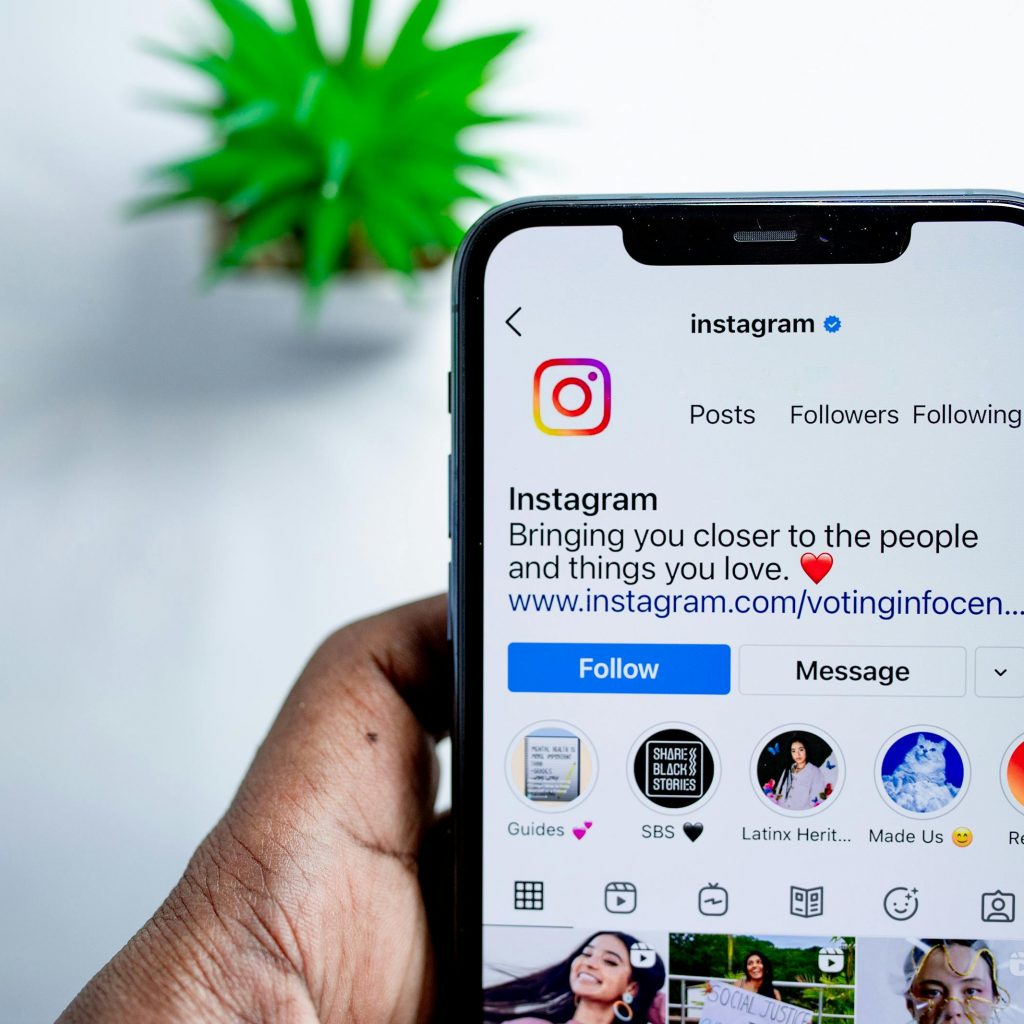
People buy from people they trust. Building a strong personal brand in 2026 is no longer optional for solopreneurs. It is the entire foundation of your business growth.
Your personal brand communicates who you are, what you stand for, and why anyone should choose you over the next person. Consistently sharing valuable content on LinkedIn, Instagram, X, or YouTube positions you as a credible voice in your niche. Research from Edelman shows that 81% of consumers need to trust a brand before they make a purchase decision, and for solopreneurs, that brand is you personally.
Show up regularly, share your real experiences, document your journey honestly, and let your audience get to know the human behind the business. Trust builds slowly but compounds powerfully over time.
6. Launch a Service Offer That Commands Premium Rates

Services are still the fastest way for solopreneurs to generate income, especially when starting out. However, not all services are created equal.
The key to earning well as a solo service provider is packaging your expertise into clear, outcome-based offers rather than selling hours. Instead of charging $50 per hour for copywriting, for instance, you could offer a complete brand voice package for $1,500 that delivers specific, measurable results. Clients respond much better to outcomes they can picture than to hourly rates they cannot contextualize.
According to Starter Story, top-earning solopreneurs in service businesses generate between $100,000 and $500,000 annually by offering productized services. So package your skills smartly, price them confidently, and communicate the transformation your client receives clearly.
7. Grow an Email List From Day One
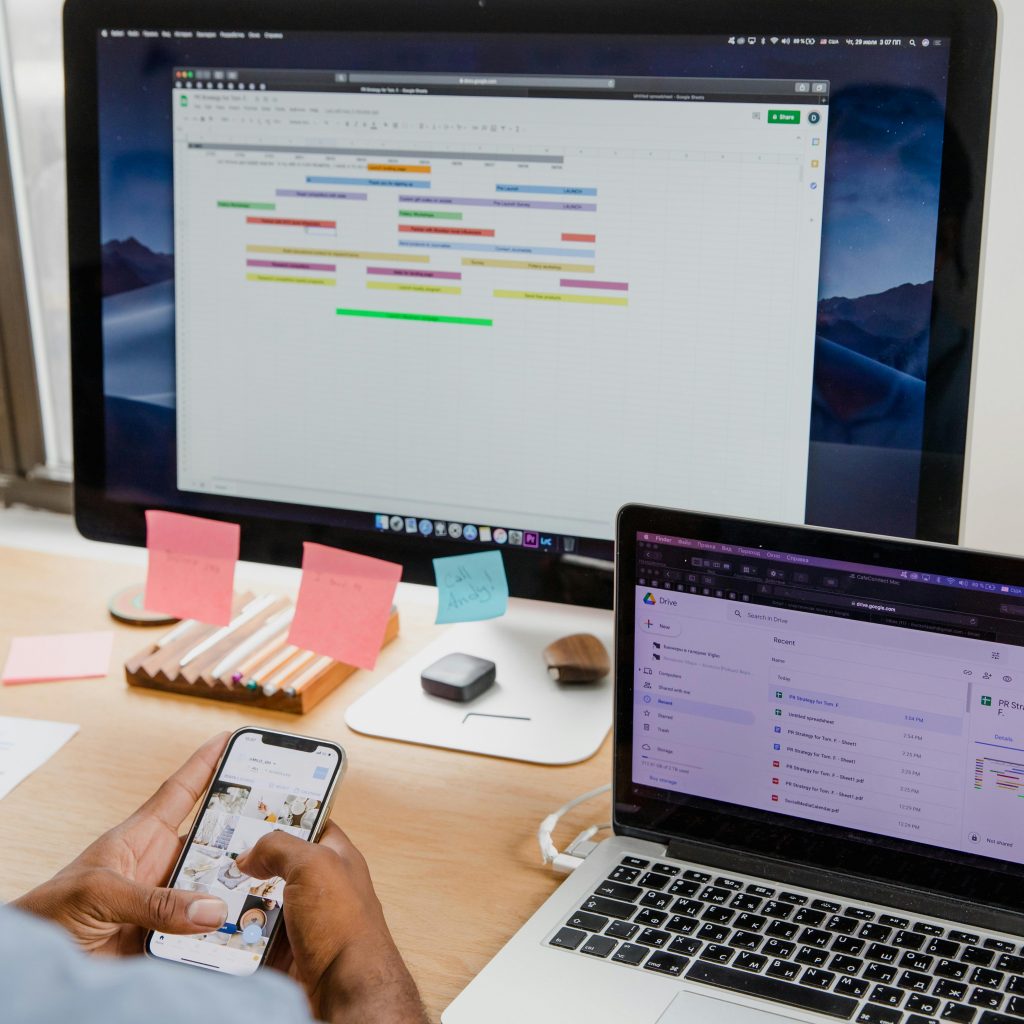
Social media platforms come and go, but your email list belongs entirely to you. No algorithm can take it away from you overnight.
Email marketing consistently delivers the highest return on investment of any digital marketing channel. For every $1 spent on email marketing, businesses see an average return of $36, according to research. Solopreneurs who grow their email lists early gain a direct, intimate line of communication with their warmest audience members. Tools like ConvertKit, Beehiiv, and MailerLite make list building simple and affordable from the very beginning.
Offer a free lead magnet, which could be a checklist, a short guide, or a mini email course, in exchange for your audience’s email address. Then nurture that list weekly with genuinely useful content. Your email subscribers are your most loyal buyers.
8. Diversify Your Income Streams Intentionally

Relying on one income source as a solopreneur is the equivalent of building your house on sand. One lost client or platform change can wipe out everything overnight.
The most financially resilient solopreneurs in 2026 intentionally run three to five income streams simultaneously. These streams typically include a core service offer, a digital product line, affiliate marketing commissions, a membership or subscription community, and occasional consulting or speaking fees. According to Briskfab, solopreneurs who diversify their income report 60% more financial stability than those who rely on a single revenue channel.
Start with your core offer and then add one new stream every quarter. Slow diversification beats chaotic diversification every single time. Build each stream on a solid foundation before moving to the next.
9. Master Your Time With Systems and Automation

Time is the one resource you cannot buy more of as a solopreneur. Therefore, protecting it aggressively is absolutely non-negotiable.
Top solopreneurs build repeatable systems for every recurring task in their business. They use tools like Zapier to automate workflows between apps, Calendly to eliminate back-and-forth scheduling emails, and Dubsado or HoneyBook to automate client onboarding processes. These systems collectively save the average solopreneur between 10 and 15 hours every week, which you can redirect to income-generating activities.
Additionally, time-blocking your deep work sessions protects your most creative and productive hours from shallow distractions. Treat your calendar like your most valuable business asset, because it genuinely is.
10. Show Up Consistently and Play the Long Game

Here is the truth that nobody loves to hear at first. Most solopreneur businesses do not explode overnight. They compound over time through consistent, disciplined action.
The solopreneurs who earn the most today are not always the most talented ones. They are consistently the ones who showed up when results were invisible, kept creating content when engagement was low, and kept improving their offers when sales were slow. According to CNBC, the solopreneur business model rewards consistency above every other quality, with most successful solo founders reporting their biggest revenue leaps came in years two and three, not in month one.
Therefore, commit to showing up for your business every single day, even when progress feels slow. Track your wins weekly, celebrate small milestones loudly, and trust the process with every action you take. The compound effect of consistent effort always delivers remarkable results over time.
Your Solopreneur Journey Starts Right Now

Building a profitable solopreneur business in 2026 is one of the most accessible and rewarding paths available to anyone willing to commit to the work. You do not need to be a tech genius or a marketing expert to succeed. You need clarity, consistency, and the courage to keep going past the uncomfortable early stages.
Start with one niche, one offer, and one platform. Then build outward from there. Every solopreneur you admire today started exactly where you are standing right now. The only difference between where they are and where you are is time plus action.
So pick your starting point from this list, take your first step today, and watch what happens when you stop waiting for the perfect moment and start building the life you actually want.
Recommended Reading: How to Build a Personal Brand as an Entrepreneur